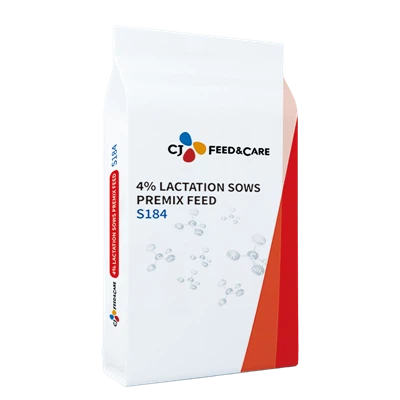
Hey there! As a dairy cow feed supplier, I've seen firsthand the amazing benefits of using pelleted dairy cow feed. In this blog post, I'm gonna share with you why pelleted feed is a game - changer for dairy farmers.
1. Nutritional Consistency
One of the biggest advantages of pelleted dairy cow feed is its nutritional consistency. Each pellet is formulated to contain a precise blend of nutrients, including proteins, carbohydrates, vitamins, and minerals. This means that every bite your cows take provides them with the balanced diet they need.
For example, our Premix Feed for Dry Cow is carefully crafted to meet the specific nutritional requirements of dry cows. The pelleting process ensures that all the ingredients are evenly distributed throughout each pellet. So, no matter which part of the feed the cow eats, it gets the right amount of essential nutrients. This consistency helps in maintaining the overall health of the cows and can lead to better milk production.
2. Improved Feed Intake
Pelleted feed is more palatable to cows compared to other forms of feed. The pelleting process involves heat and pressure, which can enhance the flavor and aroma of the feed. Cows are more likely to eat a larger quantity of pelleted feed because it tastes better.
When cows eat more, they get more energy and nutrients, which is crucial for milk production. For instance, our Complete Calf Feed in pellet form is highly appealing to calves. Calves that consume more of this feed grow faster and develop stronger immune systems. This early start can have a long - term positive impact on their productivity as adult cows.
3. Reduced Feed Waste
Another great benefit is the reduction of feed waste. Loose or unprocessed feed can be easily scattered around the feeding area, and cows may pick and choose what they want to eat, leaving behind the less - preferred parts. This leads to a significant amount of wasted feed.
Pelleted feed, on the other hand, is more compact and less likely to be scattered. Cows are more likely to consume the entire pellet, reducing waste. This not only saves money for the farmer but also ensures that the cows are getting the full nutritional value of the feed.
4. Easier Storage and Handling
Pelleted feed is much easier to store and handle than other types of feed. It takes up less space because the pellets are compressed. You can stack bags of pelleted feed neatly in a storage area without worrying about it spilling or getting damaged easily.
Transporting pelleted feed is also a breeze. It can be loaded onto trucks more efficiently, and there's less risk of it being lost during transit. This convenience makes it a practical choice for farmers, especially those with large herds.
5. Enhanced Digestibility
The pelleting process can improve the digestibility of the feed. The heat and pressure used in pelleting can break down some of the complex carbohydrates and proteins, making them easier for the cows to digest.
This means that the cows can extract more nutrients from the feed, which is beneficial for their health and milk production. Our Complete Feed for Gestation Dairy Cow is designed with enhanced digestibility in mind. Pregnant cows need all the nutrients they can get, and the pelleted form of this feed ensures that they can absorb these nutrients more effectively.
6. Better Feed Management
Pelleted feed allows for better feed management. Farmers can easily control the amount of feed they give to each cow based on its age, weight, and milk production level. Since the nutritional content of each pellet is consistent, it's easier to calculate the exact amount of nutrients the cows are getting.
This precision in feed management can lead to more efficient use of resources and better overall herd health. For example, if a cow is not producing enough milk, the farmer can adjust the amount of pelleted feed accordingly to provide it with the extra nutrients it needs.


7. Disease Prevention
The pelleting process can also help in disease prevention. The heat treatment during pelleting can kill some of the harmful bacteria and pathogens that may be present in the raw ingredients. This reduces the risk of cows getting sick from contaminated feed.
By providing a clean and safe feed source, farmers can keep their herds healthy and productive. A healthy herd means less money spent on veterinary bills and more milk production.
8. Environmental Benefits
Using pelleted dairy cow feed can have positive environmental impacts. Since there is less feed waste, there is less organic matter being discarded. This reduces the amount of methane emissions that are produced when organic waste decomposes.
Also, because pelleted feed is more efficiently digested by cows, there is less manure produced per unit of milk. This can help in managing manure disposal and reduce the environmental footprint of dairy farming.
Conclusion
In conclusion, the benefits of using pelleted dairy cow feed are numerous. From nutritional consistency and improved feed intake to reduced waste and better disease prevention, it's clear that pelleted feed is a smart choice for dairy farmers.
If you're a dairy farmer looking to improve the health and productivity of your herd, I highly recommend considering pelleted feed. We, as a dairy cow feed supplier, are committed to providing high - quality pelleted feed that meets the specific needs of your cows.
If you're interested in learning more about our products or want to start a purchase negotiation, feel free to reach out. We're here to help you make the best decisions for your dairy operation.
References
- "Dairy Cattle Nutrition Handbook" by National Research Council
- "Feed Manufacturing Technology" by Feed Research Institute
- "The Science of Dairy Farming" by Dairy Science Association