Hey there, fellow dairy farmers! As a long - time dairy cow feed supplier, I've had my fair share of chats with farmers about what goes into feeding their cows. One question that pops up a lot is, "Is there a difference in dairy cow feed for dry cows and lactating cows?" Well, you bet there is! And in this blog, I'm gonna break it down for you.
Let's start with dry cows. A dry cow is a dairy cow that's not producing milk, usually in the period before calving. This might seem like a time when you can slack off on the feed, but that's far from the truth. Dry cows need a carefully balanced diet to prepare for the next lactation cycle and to ensure the health of the unborn calf.
First off, dry cows need a diet that's relatively low in energy but high in fiber. This is because they're not expending energy on milk production, so too much energy can lead to excessive weight gain. Excess weight in dry cows can cause all sorts of problems, like calving difficulties and metabolic disorders after calving. Good sources of fiber for dry cows include hay and silage. These roughages help keep the cow's rumen healthy and functioning properly.
Another important aspect of dry cow feed is the right amount of minerals and vitamins. Calcium, phosphorus, and magnesium are crucial for the development of the calf's bones and the cow's overall health. Vitamin A, D, and E are also essential. For example, vitamin E plays a key role in the cow's immune system, which is especially important during the dry period when the cow's immune function can be a bit down.
Now, I'd like to mention that we offer a great Complete Feed for Gestation Dairy Cow. This feed is specifically formulated for dry cows. It contains the right balance of fiber, minerals, and vitamins to keep your dry cows in top shape and ready for the next lactation.
On the other hand, lactating cows have very different nutritional requirements. These gals are working hard to produce milk, and that takes a lot of energy. So, lactating cows need a diet that's high in energy, protein, and other nutrients.
Energy is the name of the game for lactating cows. They need to consume enough energy to meet the demands of milk production. Grains like corn and barley are excellent sources of energy for lactating cows. These grains can be ground and mixed into the feed to provide a concentrated source of calories.
Protein is also super important for lactating cows. Milk is rich in protein, and the cow needs to take in enough protein in her diet to maintain milk production. Soybean meal is a common and high - quality source of protein for lactating cows. It contains all the essential amino acids that the cow needs.


In addition to energy and protein, lactating cows also need a good supply of minerals and vitamins. Calcium and phosphorus are still important, but the ratios might be different compared to dry cows. And since lactating cows are more prone to metabolic disorders, proper mineral balance is crucial.
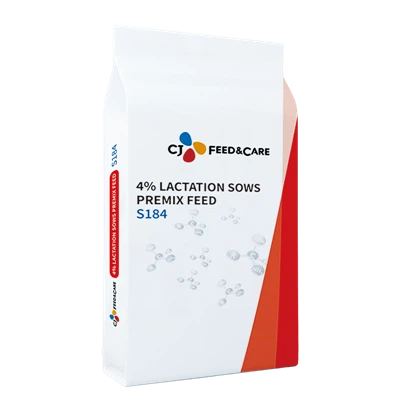
We have a fantastic Concentrate Feed For Dairy Cattle that's designed specifically for lactating cows. This feed is packed with the right amount of energy, protein, minerals, and vitamins to support high - level milk production. It's been tested and proven to work well with many of our customers' herds.
Let's talk a bit about the grower cows too. Grower cows are young cows that are still growing and developing. Their nutritional needs are different from both dry and lactating cows. They need a diet that supports their growth, which means a good balance of energy, protein, and minerals. Our Concentrate Feed for Grower Cow is formulated to meet these needs. It helps the grower cows reach their full genetic potential in terms of size and development.
Now, you might be wondering how to make the transition from dry cow feed to lactating cow feed. This is a critical time, and it needs to be done gradually. Abrupt changes in diet can cause digestive upsets in cows, like rumen acidosis. Start by slowly increasing the amount of lactating cow feed while decreasing the dry cow feed over a period of about two weeks. This gives the cow's rumen time to adjust to the new diet.
In conclusion, there are definitely significant differences in the feed for dry cows and lactating cows. Understanding these differences and providing the right feed at the right time is essential for the health and productivity of your dairy herd. Whether you're dealing with dry cows, lactating cows, or grower cows, we've got the right feed solutions for you.
If you're interested in learning more about our dairy cow feeds or want to discuss your specific herd's needs, don't hesitate to reach out. We're always happy to have a chat and help you make the best decisions for your cows. Whether it's about adjusting the feed based on the season, the cow's age, or other factors, we've got the expertise to guide you.
So, if you're looking to improve the health and milk production of your dairy cows, give our feeds a try. We're confident that you'll see the difference in your herd. Let's work together to keep your cows happy and productive!
References
- Nutrient Requirements of Dairy Cattle, National Research Council
- Dairy Cow Nutrition Handbook, various industry experts