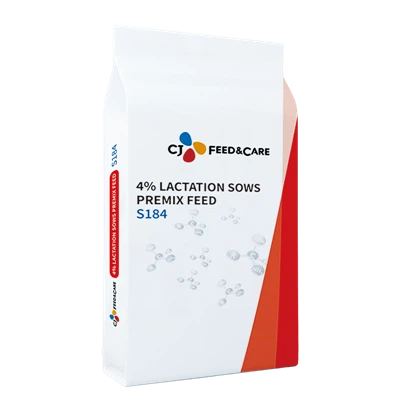
As a supplier of 4% Piglet Premix Feed, I understand the critical importance of proper storage in maintaining the efficacy of our product. Piglets are in a crucial stage of growth, and the quality of the premix feed directly impacts their health and development. In this blog, I will share some scientific and practical tips on how to store 4% Piglet Premix Feed to ensure its effectiveness.
Understanding the Composition and Sensitivity of 4% Piglet Premix Feed
Before delving into storage methods, it's essential to understand what makes up 4% Piglet Premix Feed. This type of feed typically contains a concentrated blend of vitamins, minerals, amino acids, and other essential nutrients. These components are carefully selected to meet the specific nutritional needs of piglets. However, many of these nutrients are sensitive to environmental factors such as temperature, humidity, light, and oxygen.
For example, vitamins like vitamin A, vitamin C, and vitamin E are prone to oxidation, especially when exposed to high temperatures and oxygen. Minerals can also react with other substances in the feed or the environment, leading to reduced bioavailability. Amino acids may degrade under certain conditions, affecting the protein quality of the feed. Therefore, proper storage conditions are crucial to prevent these nutrient losses.
Ideal Storage Conditions
Temperature
The ideal storage temperature for 4% Piglet Premix Feed is between 10°C and 25°C (50°F - 77°F). Temperatures outside this range can accelerate the degradation of nutrients. High temperatures can cause vitamins to break down more rapidly, and they may also promote the growth of microorganisms such as bacteria and fungi. On the other hand, extremely low temperatures can lead to the crystallization of some components, which may affect the homogeneity of the feed.
To maintain a stable temperature, it's advisable to store the feed in a well - insulated warehouse. If possible, use temperature - control systems such as air conditioners or heaters to keep the temperature within the recommended range. Regularly monitor the temperature using a thermometer to ensure it remains consistent.
Humidity
Humidity is another critical factor. The relative humidity in the storage area should be kept between 40% and 60%. High humidity can cause the feed to absorb moisture, leading to clumping and the growth of mold. Mold can produce mycotoxins, which are harmful to piglets and can cause various health problems, including reduced feed intake, poor growth, and immune system suppression.
To control humidity, use dehumidifiers in areas with high moisture levels. Ensure proper ventilation in the warehouse to allow the exchange of air and prevent the accumulation of moisture. Additionally, store the feed on pallets to keep it off the floor, which can be a source of moisture.
Light
Light, especially sunlight, can have a negative impact on the quality of 4% Piglet Premix Feed. Ultraviolet (UV) light can break down vitamins and other sensitive components. Therefore, the feed should be stored in a dark or low - light environment. If the storage area has windows, use curtains or blinds to block out sunlight. Transparent or translucent containers should not be used for long - term storage, as they allow light to penetrate and damage the feed.
Oxygen
Oxygen can cause oxidation of nutrients in the feed. To minimize oxygen exposure, store the feed in sealed containers or bags. Some modern packaging materials are designed to have low oxygen permeability, which can help preserve the quality of the feed. Additionally, avoid leaving the feed bags open for extended periods. If you have opened a bag, try to use up the feed as soon as possible or reseal it tightly.
Storage Facilities and Equipment
Warehouses
The warehouse for storing 4% Piglet Premix Feed should be clean, dry, and well - ventilated. It should be free from pests such as rodents and insects, which can contaminate the feed. Regularly clean the warehouse floors, walls, and shelves to remove any dust, debris, or spilled feed.
Install proper shelving systems to store the feed bags. Shelves should be sturdy enough to hold the weight of the feed and should be arranged in an organized manner to facilitate easy access and inspection.
Containers
If you need to transfer the feed to smaller containers for short - term use, choose containers that are made of food - grade materials. These containers should be airtight and opaque to protect the feed from oxygen and light. Label the containers clearly with the feed name, batch number, and expiration date to ensure proper rotation and use.
Feed Rotation
Implementing a first - in, first - out (FIFO) system is crucial for maintaining the efficacy of 4% Piglet Premix Feed. This means that the oldest feed should be used first, ensuring that the feed does not exceed its shelf life. Keep track of the arrival dates and expiration dates of the feed batches. Regularly inspect the feed inventory and move the older batches to the front for easy access.
Quality Control and Monitoring
Regularly monitor the quality of the stored 4% Piglet Premix Feed. Check for any signs of mold, clumping, or unusual odors. If you notice any issues, isolate the affected feed immediately and conduct further tests to determine the extent of the problem.


Periodically send samples of the stored feed to a laboratory for nutrient analysis. This can help you identify any changes in nutrient composition over time and take appropriate measures to adjust the storage conditions if necessary.
Importance of Proper Storage for Piglet Health
Proper storage of 4% Piglet Premix Feed is directly related to the health and performance of piglets. When the feed maintains its nutritional integrity, piglets can receive the full range of essential nutrients they need for growth, development, and immune function. This can lead to improved feed conversion ratios, faster growth rates, and better overall health.
On the other hand, if the feed is not stored properly and nutrient losses occur, piglets may experience nutrient deficiencies. This can result in poor growth, reduced resistance to diseases, and increased mortality rates. Therefore, as a supplier, I am committed to providing not only high - quality feed but also guidance on proper storage to ensure the best outcomes for our customers' piglets.
Related Swine Feeds
In addition to 4% Piglet Premix Feed, we also offer a range of other swine feeds, including Gilts Feed, Finisher Feeds for Pigs, and Lactating Sow Premix Feed. Each of these feeds is formulated to meet the specific nutritional requirements of different stages of swine production.
Contact for Purchase and Consultation
If you are interested in purchasing our 4% Piglet Premix Feed or any of our other swine feeds, or if you have any questions about feed storage or nutrition, please feel free to contact us. We are always ready to provide you with professional advice and high - quality products to support your swine farming operations.
References
- National Research Council. (2012). Nutrient Requirements of Swine. The National Academies Press.
- Feed Industry Association. (2018). Best Practices for Feed Storage and Handling.
- Smith, J. D., & Johnson, R. E. (2019). Effects of Storage Conditions on the Nutritional Quality of Swine Premix Feeds. Journal of Animal Science, 97(3), 1023 - 1032.