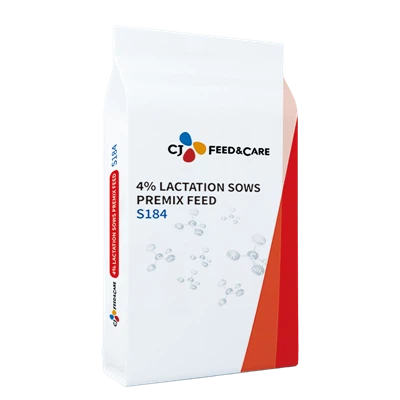
Hey there, fellow pig farmers! As a supplier of 4% Piglet Premix Feed, I've seen firsthand how crucial it is to use this feed right to get the best results for your piglets. In this blog, I'll share some tips on how you can optimize the use of our 4% Piglet Premix Feed.
Understanding the Basics of 4% Piglet Premix Feed
First things first, let's talk about what 4% Piglet Premix Feed is. It's a concentrated feed that contains a blend of vitamins, minerals, amino acids, and other essential nutrients. This premix is designed to be mixed with other ingredients like grains and protein sources to create a complete diet for piglets.
The "4%" refers to the proportion of the premix in the final feed. So, for every 100 kilograms of the complete feed, 4 kilograms should be our premix. This ratio ensures that piglets get all the nutrients they need in the right amounts.
Choosing the Right Ingredients to Mix with the Premix
When it comes to mixing the 4% Piglet Premix Feed, the quality of the other ingredients matters a lot. Grains like corn, wheat, and barley are common energy sources. Make sure they're clean, free from mold, and have a good nutritional value.
Protein sources are also crucial. You can use soybean meal, fish meal, or other high - quality protein supplements. The protein content in the final feed should be appropriate for the age and weight of your piglets. Younger piglets generally need a higher protein diet to support their rapid growth.
Proper Mixing Techniques
Mixing the premix with other ingredients evenly is super important. You can use a feed mixer to ensure a uniform distribution of the premix throughout the feed. Start by adding a small amount of the other ingredients to the premix and mix well. Then, gradually add the remaining ingredients and continue mixing for a sufficient amount of time.
If you don't have a feed mixer, you can still achieve a good mix by hand. But it'll take more time and effort. Make sure to break up any clumps in the premix before mixing.
Feeding Schedule
Establishing a proper feeding schedule is key to optimizing the use of the 4% Piglet Premix Feed. Piglets should be fed small, frequent meals throughout the day. In the early days, they may need to be fed every 2 - 3 hours. As they grow older, you can gradually increase the time between meals.
It's also important to monitor the amount of feed your piglets consume. Overfeeding can lead to waste and health problems, while underfeeding can stunt their growth. Adjust the feeding amount based on the piglets' appetite and growth rate.
Water Supply
Don't forget about water! Piglets need access to clean, fresh water at all times. Water helps with digestion, nutrient absorption, and overall health. Make sure the water troughs are clean and filled regularly. The water temperature should also be appropriate, especially in cold weather.
Monitoring Piglet Health
Regularly monitoring the health of your piglets is essential. Watch for signs of good health, such as bright eyes, a shiny coat, and active behavior. If you notice any changes in their behavior, appetite, or appearance, it could be a sign of a health problem.


Keep an eye on their growth rate as well. If the piglets aren't growing as expected, it could be due to issues with the feed, such as improper mixing or a lack of essential nutrients. You may need to adjust the feed formula or consult a veterinarian.
Comparing with Other Feeds
If you're considering different types of feeds for your pigs, it's worth exploring Finisher Feeds for Pigs. These feeds are designed for older pigs and have a different nutrient profile compared to the piglet premix. They can be a good option when your piglets grow into finishing pigs.
Another option is Alternative Milk for Piglets. This can be useful in situations where the sow's milk is insufficient or unavailable. It provides a similar nutritional value to sow's milk and can help support the growth of young piglets.
For boars, Boar Premix Feed is specifically formulated to meet their unique nutritional needs. It can help maintain their reproductive health and physical condition.
Conclusion
Optimizing the use of our 4% Piglet Premix Feed involves understanding the basics, choosing the right ingredients, proper mixing, establishing a good feeding schedule, ensuring a proper water supply, and monitoring piglet health. By following these tips, you can help your piglets grow into healthy, strong pigs.
If you're interested in purchasing our 4% Piglet Premix Feed or have any questions about it, feel free to reach out to us. We're here to help you get the best results for your pig farming operation.
References
- National Research Council. (2012). Nutrient Requirements of Swine. Washington, D.C.: The National Academies Press.
- Pig Industry Handbook. Various editions. A comprehensive guide for pig farmers on all aspects of pig production, including feed management.