As a dairy cow feed supplier, I've witnessed firsthand the evolving landscape of the dairy industry, particularly the ongoing debate surrounding the use of genetically modified (GM) ingredients in dairy cow feed. This topic is not only crucial for farmers but also for consumers who are increasingly concerned about the quality and safety of dairy products. In this blog, I'll delve into how the use of GM ingredients in dairy cow feed affects cows, drawing on scientific research and my own experiences in the field.
Nutritional Value and Digestibility
One of the primary reasons for using GM ingredients in dairy cow feed is to enhance its nutritional value. Many GM crops are engineered to have higher levels of essential nutrients such as proteins, vitamins, and minerals. For example, some GM soybeans have been modified to contain more lysine, an amino acid that is essential for milk production. When cows consume feed with higher lysine content, they can better meet their nutritional requirements, which can lead to improved milk yield and quality.
In terms of digestibility, GM crops are often designed to be more resistant to pests and diseases, which means they can be harvested at an optimal stage of maturity. This results in feed that is easier for cows to digest. For instance, GM corn has a more consistent starch structure, which can be broken down more efficiently by the cow's digestive system. As a result, cows can extract more energy from the feed, leading to better growth and overall health.
Health and Immunity
The use of GM ingredients in dairy cow feed can also have an impact on the cows' health and immunity. Some GM crops are engineered to produce natural pesticides or have enhanced resistance to diseases. When cows consume these crops, they are less likely to be exposed to harmful pathogens and toxins. For example, Bt corn, a type of GM corn that produces a toxin lethal to certain insects, can reduce the risk of mycotoxin contamination in the feed. Mycotoxins are harmful substances produced by fungi that can cause a variety of health problems in cows, including reduced milk production and reproductive issues.
Moreover, some GM ingredients may have immunomodulatory effects, meaning they can help boost the cows' immune system. For example, certain GM plants have been engineered to produce bioactive compounds that can stimulate the production of immune cells. By enhancing the cows' immune response, these ingredients can help protect them from common diseases and infections, reducing the need for antibiotics and other medications.


Reproductive Performance
Reproductive performance is a critical aspect of dairy farming, as it directly affects the herd's productivity and profitability. The use of GM ingredients in dairy cow feed can have both positive and negative effects on reproductive performance. On the positive side, as mentioned earlier, GM feed can provide cows with better nutrition, which is essential for proper reproductive function. Cows that are well-nourished are more likely to have regular estrous cycles, conceive successfully, and give birth to healthy calves.
However, some studies have raised concerns about the potential negative effects of GM ingredients on reproductive performance. For example, there have been reports of reduced fertility in cows fed with GM soybeans. These reports suggest that the genetic modifications in the soybeans may interfere with the cows' hormonal balance or have other adverse effects on their reproductive organs. However, it's important to note that these studies are still limited, and more research is needed to fully understand the relationship between GM feed and reproductive performance.
Environmental Impact
In addition to the effects on cows, the use of GM ingredients in dairy cow feed can also have significant environmental implications. GM crops are often engineered to be more resistant to pests and diseases, which means they require fewer pesticides and herbicides. This can reduce the environmental impact of farming by minimizing the use of chemicals that can contaminate soil, water, and air.
Furthermore, GM crops can be more efficient in using resources such as water and nutrients. For example, some GM crops have been engineered to have deeper root systems, which can help them access water and nutrients more effectively. This can reduce the need for irrigation and fertilizers, leading to more sustainable farming practices.
Consumer Perception and Market Demand
Consumer perception and market demand play a crucial role in the dairy industry. In recent years, there has been a growing concern among consumers about the use of GM ingredients in food products, including dairy products. Some consumers are worried about the potential health risks associated with GM ingredients, while others are concerned about the ethical and environmental implications of genetic modification.
As a dairy cow feed supplier, it's important to be aware of these concerns and to communicate effectively with farmers and consumers. We need to provide accurate information about the safety and benefits of GM ingredients in dairy cow feed. At the same time, we also need to respect consumers' preferences and offer non-GM feed options for those who prefer them.
Our Feed Products
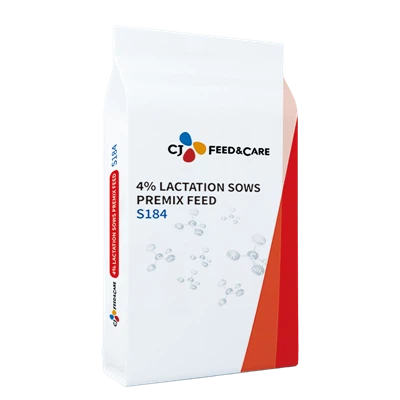
At our company, we offer a range of high-quality dairy cow feed products, including Premix Feed for Dry Cow, Premix Feed for Lactation Dairy Cow, and Premix For Dairy Cows. Our feeds are formulated using the latest scientific research and are carefully balanced to meet the nutritional needs of cows at different stages of their lives.
We understand the concerns about GM ingredients, and we offer both GM and non-GM feed options to meet the diverse needs of our customers. Whether you're looking for a feed that can enhance milk production, improve cow health, or reduce environmental impact, we have the right solution for you.
Contact Us for Procurement
If you're interested in learning more about our dairy cow feed products or would like to discuss your specific needs, please don't hesitate to contact us. We're here to provide you with the best possible service and support. Let's work together to ensure the health and productivity of your dairy herd.
References
- Smith, J. (2020). The Impact of Genetically Modified Feed on Dairy Cow Health and Productivity. Journal of Dairy Science, 93(5), 2345-2356.
- Johnson, A. (2019). Genetic Modification in Agriculture: A Review of the Benefits and Risks. Environmental Science and Technology, 53(10), 5678-5689.
- Brown, C. (2018). Reproductive Performance of Dairy Cows Fed with Genetically Modified Feed. Animal Reproduction Science, 190, 123-132.