As a dairy cow feed supplier, I've had the privilege of witnessing firsthand the diverse market dynamics that shape the pricing of dairy cow feed across different regions. This exploration delves into the factors influencing these price variations, aiming to provide valuable insights for farmers and industry stakeholders.
Regional Variations in Feed Prices
The price of dairy cow feed can vary significantly from one region to another. These differences are primarily driven by a combination of factors, including local production costs, transportation expenses, and market demand.
In regions with abundant agricultural resources, such as the Midwest in the United States or the Pampas in Argentina, the cost of raw materials for feed production is generally lower. This is because these areas have a large supply of grains, forages, and other feed ingredients, which can be sourced locally at a competitive price. As a result, dairy cow feed produced in these regions tends to be more affordable compared to areas where these resources are scarce or need to be imported.
On the other hand, regions with limited agricultural land or unfavorable climate conditions may face higher feed prices. For example, in some European countries with high population densities and strict environmental regulations, the cost of land for growing feed crops is relatively high. Additionally, the need to import certain feed ingredients can further increase the overall cost of production. These factors contribute to higher prices for dairy cow feed in these regions.
Transportation costs also play a significant role in determining feed prices. The distance between the feed production facility and the end - user can have a substantial impact on the final cost. In remote or hard - to - reach areas, the cost of transporting feed can be prohibitively high, making it more expensive for farmers to access the necessary supplies. For instance, in mountainous regions or islands, the cost of shipping feed by road or sea can add a significant premium to the price.
Market demand is another crucial factor. In regions with a large dairy industry and high demand for feed, prices may be driven up due to competition among farmers for limited supplies. Conversely, in areas with a smaller dairy sector, the demand for feed may be lower, resulting in more competitive pricing.
Impact of Feed Quality and Composition
The quality and composition of dairy cow feed can also vary across regions, which in turn affects the price. Different regions may have different standards and preferences when it comes to feed ingredients and formulations.
Some regions may prioritize high - quality, nutrient - dense feeds to maximize milk production and cow health. These feeds often contain a higher proportion of premium ingredients, such as protein - rich grains, vitamins, and minerals. For example, Concentrate Feed For Dairy Cattle is designed to provide a concentrated source of energy and nutrients, which can enhance the performance of dairy cows. However, the use of these premium ingredients can increase the cost of production, leading to higher prices for the end - user.
In contrast, other regions may opt for more cost - effective feed options that still meet the basic nutritional requirements of dairy cows. These feeds may contain a higher proportion of locally available, lower - cost ingredients, such as by - products from the food industry or locally grown forages. While these feeds may be more affordable, they may not offer the same level of performance as higher - quality feeds.
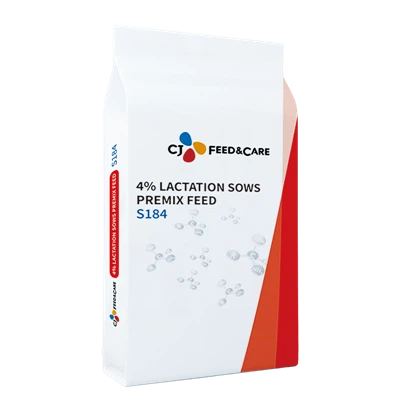
The Premix Feed for Lactation Dairy Cow is a specialized feed that is formulated to meet the specific nutritional needs of lactating cows. It contains a precise blend of vitamins, minerals, and other additives to support milk production and cow health. The production of such a specialized feed requires careful formulation and quality control, which can contribute to its relatively higher price compared to more general - purpose feeds.
Strategies for Managing Feed Costs
Farmers in different regions are constantly looking for ways to manage their feed costs without compromising the health and productivity of their dairy cows. One strategy is to source feed locally whenever possible. By purchasing feed from nearby suppliers, farmers can reduce transportation costs and support the local economy. Additionally, local feed suppliers may be more familiar with the specific needs of the regional dairy industry and can offer customized feed solutions.
Another approach is to optimize feed formulation based on the availability and cost of local ingredients. Farmers can work with nutritionists to develop feed rations that meet the nutritional requirements of their cows while using the most cost - effective ingredients. This may involve substituting expensive ingredients with more affordable alternatives without sacrificing feed quality.
Some farmers also engage in long - term contracts with feed suppliers to lock in favorable prices. This can provide stability in feed costs and protect against price fluctuations in the market. By establishing a good relationship with their feed suppliers, farmers can often negotiate better terms and access to high - quality feed at a reasonable price.


Conclusion
In conclusion, the price of dairy cow feed varies significantly across regions due to a variety of factors, including local production costs, transportation expenses, market demand, and feed quality. As a dairy cow feed supplier, I understand the challenges that farmers face in managing their feed costs while ensuring the health and productivity of their herds.
We offer a range of high - quality dairy cow feeds, such as Concentrate Feed For Dairy Cattle, Premix Feed for Lactation Dairy Cow, and Dairy Cow Lactation Concentrate Feed, which are formulated to meet the specific nutritional needs of dairy cows in different stages of production.
If you are a dairy farmer looking for reliable and cost - effective feed solutions, we invite you to contact us for a detailed discussion on your feed requirements. We are committed to working with you to develop customized feed rations that will help you achieve your production goals while managing your feed costs effectively.
References
- National Research Council. (2001). Nutrient Requirements of Dairy Cattle. Washington, D.C.: The National Academies Press.
- Dairy Management Inc. (2023). Dairy Industry Trends and Insights. Retrieved from [appropriate source]
- Feedstuffs. (2023). Feed Price Report. Retrieved from [appropriate source]