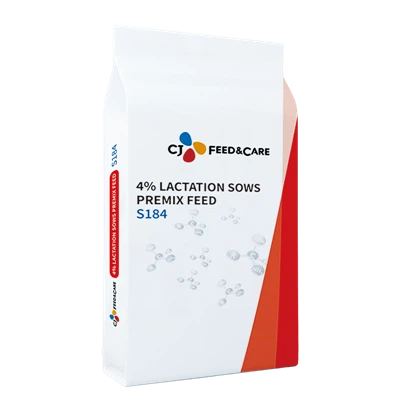
As a dairy cow feed supplier, I've witnessed firsthand the intricate relationship between the feed we provide and the milk somatic cell count (SCC) of dairy cows. SCC is a crucial metric in the dairy industry, serving as an indicator of milk quality and cow health. Elevated SCC levels can lead to decreased milk production, reduced milk quality, and increased veterinary costs. In this blog post, I'll delve into how different types of feeds can impact the milk SCC of dairy cows, drawing on scientific research and practical experience.
Understanding Milk Somatic Cell Count
Before discussing the role of feed, it's essential to understand what SCC is. Somatic cells in milk primarily consist of white blood cells (leukocytes) and epithelial cells. Normally, a healthy cow's milk contains a low number of somatic cells. However, when a cow's udder is infected, usually by bacteria, the immune system responds by sending white blood cells to fight the infection. As a result, the SCC in the milk increases.
The generally accepted threshold for normal SCC in milk is less than 200,000 cells/mL. Milk with an SCC above this level is often considered to have sub - optimal quality. High SCC can affect the sensory properties of milk, such as taste and texture, and can also reduce the efficiency of dairy processing, for example, by affecting cheese yield.
The Role of Feed in Maintaining Udder Health
The feed we provide to dairy cows plays a significant role in maintaining their overall health, including the health of their udders. A well - balanced diet can strengthen the cow's immune system, making it more resistant to infections that can cause an increase in SCC.
Nutritional Requirements for Udder Health
- Protein: Adequate protein is essential for the synthesis of antibodies and other immune - related proteins. Insufficient protein in the diet can weaken the cow's immune system, making it more susceptible to udder infections. A diet that provides the right amount and quality of protein helps the cow's body to mount an effective immune response against pathogens.
- Vitamins and Minerals: Vitamins such as vitamin A, vitamin E, and selenium are known to have antioxidant properties that help protect the cells in the udder from oxidative damage. Oxidative stress can compromise the integrity of the udder tissue, making it more vulnerable to infections. Minerals like zinc and copper also play important roles in immune function.
Types of Feed and Their Impact on SCC
Premix Feed for Dry Cow
Dry cows are in a critical stage of their reproductive cycle, and proper nutrition during this period is crucial for preventing udder infections in the subsequent lactation. Premix Feed for Dry Cow is specifically formulated to meet the unique nutritional needs of dry cows.
This type of feed typically contains a balanced blend of vitamins, minerals, and other nutrients. For example, it may have a higher concentration of selenium and vitamin E, which are important for maintaining the integrity of the udder tissue and enhancing the immune system. By providing the right nutrients during the dry period, we can help reduce the risk of new infections occurring at the start of lactation, thereby keeping the SCC in check.
Complete Calf Feed
Although calves do not produce milk, the quality of their feed can have long - term implications for their udder health as they grow into dairy cows. Complete Calf Feed is designed to support the healthy growth and development of calves.
A well - formulated calf feed provides the necessary nutrients for proper immune system development. Calves that receive optimal nutrition during their early life are more likely to have a stronger immune system as adults. This can translate into better udder health and lower SCC in their milk when they start lactating. For example, a diet rich in high - quality protein and essential vitamins and minerals helps the calf's immune cells to mature properly, enabling them to respond effectively to potential infections later in life.
Premix For Dairy Cows
Premix For Dairy Cows is a key component of the diet for lactating cows. It is formulated to provide the additional nutrients that are required during lactation.
This premix often contains ingredients that support immune function and udder health. For instance, it may include probiotics, which can help maintain a healthy gut microbiome. A healthy gut microbiome is linked to a stronger immune system, as it can modulate the immune response and prevent the growth of harmful bacteria. By improving the cow's overall health through a balanced diet with the right premix, we can reduce the incidence of udder infections and keep the SCC at an acceptable level.
Feed Quality and Contamination
In addition to the nutritional composition of the feed, the quality and contamination of the feed can also affect SCC. Moldy or spoiled feed can contain mycotoxins, which are toxic substances produced by fungi. Mycotoxins can have a negative impact on the cow's immune system, making it more susceptible to infections.
Contaminated feed can also introduce pathogens into the cow's body. For example, feed that is contaminated with bacteria such as Staphylococcus aureus or Streptococcus agalactiae can directly cause udder infections. As a feed supplier, we take great care to ensure the quality and safety of our products. We follow strict quality control measures to prevent mold growth and contamination during the production and storage of our feeds.


Practical Strategies for Feed Management
- Regular Feed Analysis: We recommend regular analysis of the feed to ensure that it meets the nutritional requirements of the cows. This can help identify any deficiencies or imbalances in the diet and allow for appropriate adjustments.
- Proper Storage: Feed should be stored in a dry, cool, and well - ventilated area to prevent mold growth and spoilage. Proper storage conditions also help maintain the nutritional quality of the feed over time.
- Feeding Schedule: A consistent feeding schedule is important for maintaining the cow's digestive health. Sudden changes in the diet can cause stress to the cow, which can in turn affect its immune system and increase the risk of udder infections.
Conclusion
In conclusion, the feed we provide to dairy cows has a profound impact on the milk SCC. By offering high - quality, nutritionally balanced feeds such as Premix Feed for Dry Cow, Complete Calf Feed, and Premix For Dairy Cows, we can help maintain the health of the cows' udders and keep the SCC at an acceptable level.
As a dairy cow feed supplier, we are committed to providing the best possible products to our customers. If you are interested in learning more about our feeds or would like to discuss your specific requirements, please feel free to reach out to us for a procurement discussion. We are here to help you improve the quality of your milk production and the health of your dairy cows.
References
- National Research Council. (2001). Nutrient Requirements of Dairy Cattle. National Academy Press.
- Harmon, D. L. (2009). Impact of nutrition on immune function in dairy cows. Journal of Dairy Science, 92(4), 1603 - 1614.
- Smith, K. L., & Hogan, J. S. (2001). Nutrition and mastitis in dairy cows. Veterinary Clinics of North America: Food Animal Practice, 17(2), 227 - 242.