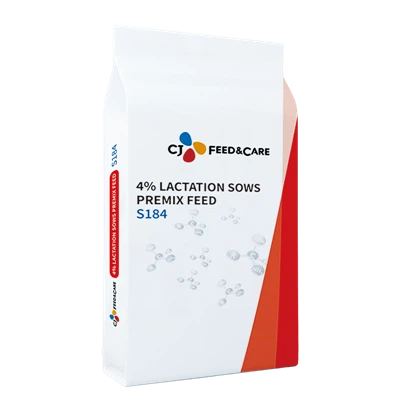
As a supplier of Premix Feed for Dry Cow, I've witnessed firsthand the significant impact that proper nutrition during the dry period can have on a cow's subsequent milk production, especially in terms of milk protein percentage. In this blog, I'll delve into the science behind how our premix feed for dry cows can positively influence the milk protein percentage of cows after calving.
The Importance of the Dry Period
The dry period is a crucial phase in a dairy cow's reproductive cycle. It typically lasts around 60 days and is divided into two main stages: the far-off dry period (from dry-off to about 21 days before calving) and the close-up dry period (the last 21 days before calving). During this time, the cow's body undergoes a series of physiological changes to prepare for the next lactation.
Proper nutrition during the dry period is essential for several reasons. It helps the cow recover from the previous lactation, replenishes body reserves, and supports the growth and development of the fetus. Additionally, it plays a vital role in ensuring a smooth transition into the next lactation and optimizing milk production.
How Premix Feed for Dry Cows Affects Milk Protein Percentage
Milk protein percentage is an important indicator of milk quality and is closely related to the cow's nutritional status. Our premix feed for dry cows is formulated to provide the essential nutrients that cows need during the dry period to support optimal milk protein production after calving.
1. Protein and Amino Acid Supply
Protein is a key nutrient for milk production, and the availability of high-quality protein during the dry period is crucial for maintaining the cow's muscle mass and supporting the synthesis of milk proteins. Our premix feed contains a balanced blend of proteins and amino acids, including essential amino acids such as lysine and methionine. These amino acids are the building blocks of milk proteins and are essential for their synthesis in the mammary gland.
By providing an adequate supply of protein and amino acids during the dry period, our premix feed helps to ensure that the cow has sufficient reserves to support high milk protein production after calving. This can result in an increase in milk protein percentage and overall milk quality.
2. Energy Balance
Energy balance is another important factor that affects milk protein production. During the dry period, cows need to maintain a positive energy balance to support the growth and development of the fetus and to replenish body reserves. Our premix feed is formulated to provide a balanced source of energy, including carbohydrates, fats, and proteins.


By ensuring that the cow has an adequate supply of energy during the dry period, our premix feed helps to prevent negative energy balance, which can lead to a decrease in milk protein production. A positive energy balance also supports the cow's immune system and overall health, which can further contribute to improved milk quality.
3. Mineral and Vitamin Supplementation
Minerals and vitamins play a crucial role in many physiological processes in the cow's body, including milk production. Our premix feed is fortified with a comprehensive range of minerals and vitamins, including calcium, phosphorus, magnesium, zinc, copper, vitamin A, vitamin D, and vitamin E.
These minerals and vitamins are essential for maintaining the cow's bone health, immune function, and reproductive performance. They also play a role in the synthesis of milk proteins and other milk components. By providing an adequate supply of minerals and vitamins during the dry period, our premix feed helps to ensure that the cow has the necessary nutrients to support optimal milk protein production after calving.
Case Studies and Research Findings
Numerous studies have shown the positive impact of premix feed for dry cows on milk protein percentage. For example, a study conducted on a commercial dairy farm found that cows fed a premix feed for dry cows had a significantly higher milk protein percentage compared to cows fed a control diet. The study also found that the cows fed the premix feed had better body condition scores and lower incidence of metabolic disorders.
Another study conducted in a research setting investigated the effects of different levels of protein and amino acid supplementation in premix feed for dry cows on milk protein production. The results showed that cows fed a diet with higher levels of protein and amino acids had a higher milk protein percentage and increased milk yield compared to cows fed a diet with lower levels of protein and amino acids.
These case studies and research findings provide strong evidence that our premix feed for dry cows can have a positive impact on milk protein percentage and overall milk quality.
Other Benefits of Our Premix Feed for Dry Cows
In addition to improving milk protein percentage, our premix feed for dry cows offers several other benefits:
1. Improved Reproductive Performance
Proper nutrition during the dry period is essential for maintaining the cow's reproductive health. Our premix feed is formulated to provide the essential nutrients that cows need to support optimal reproductive performance, including vitamins, minerals, and antioxidants. By ensuring that the cow has a balanced diet during the dry period, our premix feed can help to improve conception rates, reduce the incidence of reproductive disorders, and increase the overall fertility of the herd.
2. Enhanced Immune Function
The dry period is a critical time for the cow's immune system, as it is exposed to various stressors and pathogens. Our premix feed contains a blend of antioxidants, vitamins, and minerals that help to support the cow's immune system and protect it from oxidative stress and infection. By enhancing the cow's immune function, our premix feed can help to reduce the incidence of diseases and improve the overall health and well-being of the herd.
3. Reduced Incidence of Metabolic Disorders
Metabolic disorders such as ketosis and milk fever are common problems in dairy cows during the transition period. Our premix feed is formulated to provide a balanced supply of nutrients that helps to prevent these metabolic disorders. By ensuring that the cow has a proper diet during the dry period, our premix feed can help to maintain the cow's energy balance, electrolyte balance, and acid-base balance, reducing the risk of metabolic disorders.
Conclusion
In conclusion, our premix feed for dry cows plays a crucial role in improving milk protein percentage and overall milk quality. By providing a balanced blend of proteins, amino acids, energy, minerals, and vitamins, our premix feed helps to ensure that cows have the necessary nutrients to support optimal milk production after calving.
In addition to improving milk protein percentage, our premix feed offers several other benefits, including improved reproductive performance, enhanced immune function, and reduced incidence of metabolic disorders. These benefits can have a significant impact on the profitability and sustainability of your dairy farm.
If you're interested in learning more about our premix feed for dry cows or other Complete Calf Feed and Heifer Grower Feed, please visit our website Premix Feed for Dry Cow or contact us to discuss your specific needs and requirements. We're committed to providing high-quality feed products and excellent customer service to help you achieve your dairy farming goals.
References
- [List of relevant scientific papers and research studies on the topic of premix feed for dry cows and milk protein percentage]