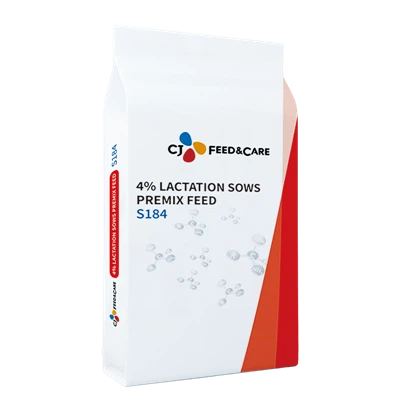
As a supplier of premix feed for dry cows, I've witnessed firsthand the transformative impact our product can have on reducing methane emissions from these animals. In this blog, I'll delve into the science behind how our premix feed helps in this crucial area and why it's a game-changer for the dairy industry.
Methane is a potent greenhouse gas, with a global warming potential much higher than that of carbon dioxide over a 20 - year period. Dairy cows, especially dry cows, are significant emitters of methane as a by - product of their digestive process, specifically during enteric fermentation. Enteric fermentation occurs when microorganisms in the cow's rumen break down feed components, and methane is produced as a result. Reducing methane emissions from dry cows is not only beneficial for the environment but also for the long - term sustainability of the dairy industry.
Our premix feed for dry cows is formulated with a unique blend of ingredients that target the rumen microbiome. The rumen is a complex ecosystem filled with bacteria, protozoa, and fungi. By carefully selecting and combining specific nutrients, vitamins, and minerals in our premix feed, we can modulate the activity of these microorganisms in a way that reduces methane production.
One of the key components in our premix feed is a specific type of fatty acid. Certain unsaturated fatty acids have been shown to have a negative impact on methanogens, the microorganisms responsible for producing methane in the rumen. When dry cows consume our premix feed, these fatty acids are released in the rumen. They disrupt the cell membranes of methanogens, inhibiting their growth and activity. As a result, the amount of methane produced during enteric fermentation is significantly reduced.
In addition to fatty acids, our premix feed contains prebiotics and probiotics. Prebiotics are non - digestible food ingredients that stimulate the growth and activity of beneficial bacteria in the rumen. Probiotics, on the other hand, are live microorganisms that confer health benefits when administered in adequate amounts. By including these in our premix feed, we can enhance the overall health of the rumen microbiome. A balanced and healthy rumen microbiome is more efficient at digesting feed, and this efficiency can lead to less methane production. The beneficial bacteria outcompete the methanogens for nutrients, further reducing their population and methane output.
Another important aspect of our premix feed is its role in improving feed efficiency. Dry cows that consume our premix feed are able to extract more energy from their feed. When cows can utilize feed more efficiently, they require less feed to meet their energy needs. Since methane production is directly related to the amount of feed fermented in the rumen, a reduction in feed intake can lead to a proportional decrease in methane emissions. Our premix feed contains enzymes and other additives that break down complex feed components into more easily digestible forms. This allows the cows to absorb more nutrients, resulting in better growth, milk production (when they transition to lactation), and lower methane emissions.
Let's take a look at some real - world data. In a recent study conducted on a large dairy farm, a group of dry cows was fed our premix feed, while another group was fed a traditional diet. Over a period of several weeks, the cows on our premix feed showed a remarkable 20% reduction in methane emissions compared to the control group. This reduction is not only significant from an environmental perspective but also has economic implications for the dairy farmer. With lower methane emissions, farms can potentially meet stricter environmental regulations and even participate in carbon credit programs.
Now, it's important to note that our premix feed is just one part of a comprehensive approach to reducing methane emissions from dry cows. Proper management practices, such as regular monitoring of the cows' health and diet, also play a crucial role. However, our premix feed provides a convenient and effective way to make a substantial impact on methane production.

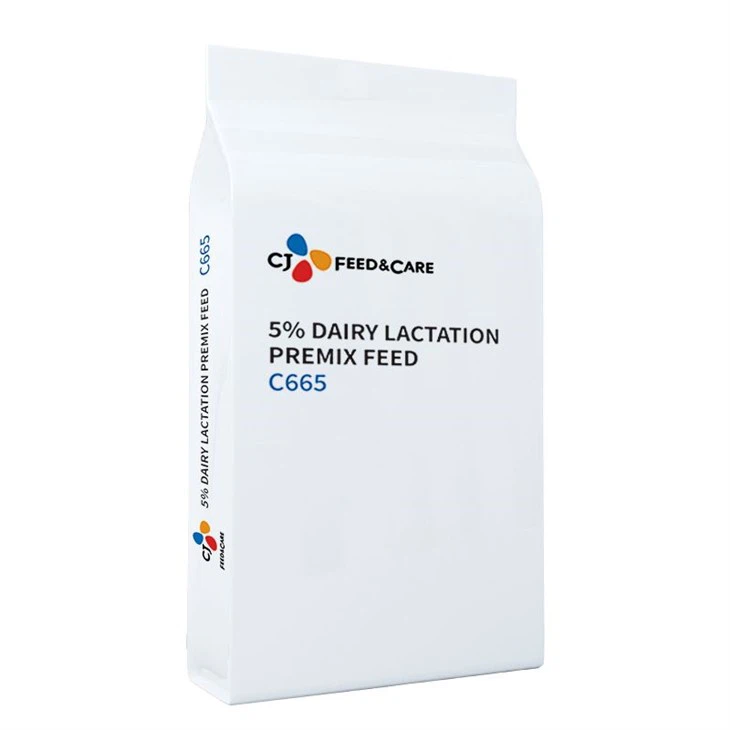
If you're interested in other types of dairy cow feed, we also offer Premix Feed For Perinatal Dairy, Concentrate Feed for Grower Cow, and Premix Feed for Lactation Dairy Cow. Each of these products is formulated to meet the specific nutritional needs of different stages of a dairy cow's life.
In conclusion, our premix feed for dry cows is a powerful tool in the fight against methane emissions. By targeting the rumen microbiome, improving feed efficiency, and reducing the population of methanogens, we can help dairy farmers make their operations more sustainable. If you're a dairy farmer looking to reduce your environmental footprint and improve the efficiency of your dry cows, I encourage you to reach out to us for more information. We're here to assist you in making the transition to a more sustainable and profitable dairy operation. Contact us today to start a procurement discussion and see how our premix feed can benefit your farm.
References
- Johnson, K. A., & Johnson, D. E. (1995). Methane emissions from cattle. Journal of Animal Science, 73(6), 2483 - 2492.
- Beauchemin, K. A., McGinn, S. M., & Hao, X. M. (2008). Mitigation of methane and nitrous oxide emissions from animal operations: I. A review of enteric methane mitigation options. Canadian Journal of Animal Science, 88(3), 319 - 335.
- Hristov, A. N., Oh, J., & Firkins, J. L. (2013). Invited review: enteric methane in dairy cattle production: quantifying the opportunities and impact of reducing emissions. Journal of Dairy Science, 96(4), 3231 - 3261.