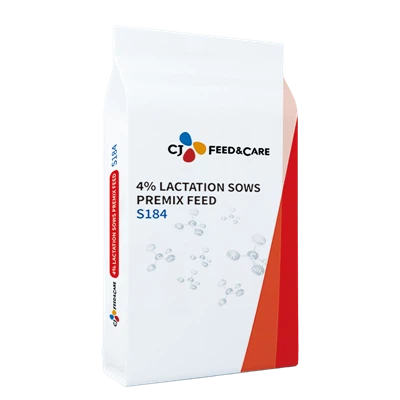
As a supplier of Premix Feed for Dry Cow, I've been deeply involved in the dairy industry, constantly exploring ways to improve feed quality and address common challenges faced by dairy farmers. One question that often comes up is whether premix feed for dry cows can reduce the dust in the feed. In this blog, I'll delve into this topic, sharing scientific insights and real - world experiences.
The Problem of Dust in Feed
Dust in feed is a significant concern in the dairy farming industry. It can cause a variety of problems. Firstly, from an animal health perspective, when cows inhale dust particles while eating, it can lead to respiratory issues. These issues may range from mild irritation to more severe conditions like pneumonia, which can affect the overall well - being and productivity of the cows.
Secondly, dust can contaminate the feeding environment. It settles on the equipment, in the barn, and even on the cows themselves. This not only creates an unhygienic situation but also requires additional cleaning efforts, increasing the labor and cost for farmers.
Thirdly, dusty feed is less palatable to cows. Cows are more likely to avoid feed with a high dust content, which can result in reduced feed intake. Lower feed intake, in turn, can lead to sub - optimal nutrition, affecting milk production and the health of dry cows during this critical stage of their reproductive cycle.
How Premix Feed for Dry Cow Can Help
Premix feed for dry cows is formulated with a specific blend of vitamins, minerals, and other nutrients. One of the key features that can contribute to dust reduction is the manufacturing process. High - quality premix feeds are often produced using advanced granulation or extrusion techniques.
Granulation involves agglomerating the fine particles of the feed ingredients into larger granules. These granules are less likely to generate dust compared to loose, fine powders. During the granulation process, binders are sometimes used to hold the particles together. This not only reduces dust but also improves the physical stability of the feed.
Extrusion is another effective method. In extrusion, the feed ingredients are subjected to high pressure and temperature. This process not only cooks the ingredients, making them more digestible, but also changes their physical structure. The extruded feed comes out in a more compact form, which significantly reduces the amount of dust.
Moreover, premix feed for dry cows is carefully formulated to have a balanced particle size distribution. By ensuring that the particles are of an appropriate size, the chances of dust generation are minimized. The right combination of larger and smaller particles creates a more stable feed structure that is less prone to breakage and dust formation.
Real - World Evidence
In my experience as a supplier, many of our customers have reported a noticeable reduction in dust when using our Premix Feed for Dry Cow. Dairy farms that previously struggled with high dust levels in their feed have seen improvements in the feeding environment. For example, one large - scale dairy farm in the Midwest switched to our premix feed. They reported that the amount of dust in the feeding area decreased by almost 40% within a few weeks of using our product. This led to a cleaner barn environment, less respiratory distress among the cows, and an increase in feed intake.
Another benefit that farmers have observed is the improved efficiency of their feeding equipment. With less dust, there is less wear and tear on the feeders, conveyors, and other machinery. This reduces maintenance costs and downtime, which is a significant advantage for dairy operations.
Comparison with Other Feed Types
When compared to some traditional feed types, such as straight - ground grains, premix feed for dry cows has a clear edge in terms of dust reduction. Straight - ground grains often have a high proportion of fine particles, which are easily dispersed as dust. In contrast, our premix feed, with its granulated or extruded form, is much more dust - resistant.
Even when compared to other types of premix feeds that are not specifically formulated for dry cows, our product stands out. Feeds that are not tailored to the needs of dry cows may not have the same level of attention to particle size and manufacturing processes. For example, some general - purpose premix feeds may contain a higher percentage of brittle ingredients that are more likely to break down into dust.
Additional Benefits of Premix Feed for Dry Cow
Apart from dust reduction, premix feed for dry cows offers a range of other benefits. It provides a balanced supply of essential nutrients, which is crucial for the health of dry cows. During the dry period, cows need to recover from the previous lactation and prepare for the next one. Our premix feed contains the right amount of vitamins, minerals, and amino acids to support these processes.
It also helps in maintaining the body condition of dry cows. A proper body condition at calving is essential for a smooth transition to lactation and good milk production. The balanced nutrition in our premix feed ensures that cows maintain an appropriate body weight and muscle mass during the dry period.
Encouraging Contact for Purchase
If you're a dairy farmer looking to improve the feeding conditions on your farm, reduce dust in the feed, and provide your dry cows with high - quality nutrition, our Premix Feed for Dry Cow is the ideal solution. We have a team of experts who can provide you with detailed information about our product and how it can benefit your farm.
To learn more about our other related products, you can visit the following links: Heifer Grower Feed, Premix For Dairy Cows, and Premix Feed for Dry Cow.


Don't hesitate to contact us if you're interested in purchasing our product. We're more than happy to discuss your specific needs, provide samples, and offer competitive pricing. Start improving the health and productivity of your dry cows today with our high - quality premix feed.
References
- National Research Council. (2001). Nutrient Requirements of Dairy Cattle. Washington, DC: The National Academies Press.
- Dairy Science Journal. Various issues on feed quality and animal health.
- Personal communications with dairy farmers and industry experts.