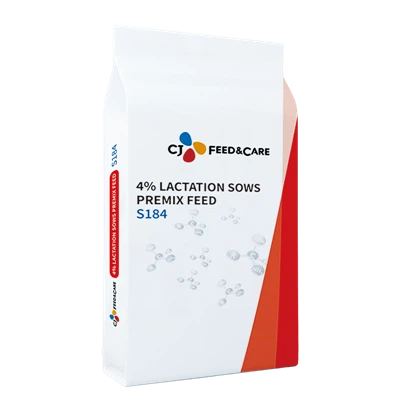
Hey there, fellow hog farmers! I'm a supplier of Hog Grower Feed, and I often get asked about the special storage requirements for this type of feed. Well, let's dive right into it.
First off, why is proper storage so important? Hog Grower Feed is formulated to provide the right balance of nutrients that young hogs need to grow healthy and strong. If it's not stored correctly, these nutrients can degrade, and the feed can even become contaminated. That means your hogs won't get the full benefits of the feed, and it could potentially lead to health issues.
Temperature and Humidity
One of the most crucial factors in storing Hog Grower Feed is controlling the temperature and humidity. Feed should be stored in a cool, dry place. High temperatures can speed up the oxidation process, which can cause the fats in the feed to go rancid. Rancid fat not only tastes bad but can also reduce the nutritional value of the feed.
Humidity is another biggie. If the humidity is too high, the feed can absorb moisture, which creates a perfect environment for mold and bacteria to grow. Moldy feed can be toxic to hogs, and it can also cause respiratory problems. A good rule of thumb is to keep the storage area at a temperature below 70°F (21°C) and a relative humidity below 70%.
Storage Containers
The type of container you use to store your Hog Grower Feed matters too. You want to use containers that are airtight and made of a material that won't allow moisture or pests to get in. Plastic bins with tight - fitting lids are a popular choice. They're relatively inexpensive, easy to clean, and can keep the feed protected.
If you're storing large quantities of feed, you might consider using a silo. Silos are great for bulk storage, but they need to be properly maintained. Make sure the silo is clean before you fill it with new feed, and check it regularly for any signs of damage or leaks.
Pests and Rodents
Pests and rodents are a major headache when it comes to feed storage. Rats, mice, and insects can contaminate the feed with their droppings, urine, and hair. They can also eat a significant amount of the feed, which is a waste of your money.
To keep pests out, seal any cracks or holes in the storage area. You can also use pest control measures like traps and baits, but be careful not to use anything that could contaminate the feed. Some farmers use natural deterrents like peppermint oil, which has been known to repel rodents.
Rotation of Feed
It's important to practice first - in, first - out (FIFO) when it comes to feed storage. This means using the oldest feed first. Hog Grower Feed has a shelf life, and as time passes, the quality can decline. By using the oldest feed first, you ensure that your hogs are getting the freshest and most nutritious feed possible.
When you receive a new shipment of feed, make sure to label it with the date of arrival. This will help you keep track of which feed is the oldest.
Comparison with Other Types of Swine Feed
Now, let's talk a bit about how the storage requirements for Hog Grower Feed compare with other types of swine feed, like Gestation Feed for Pigs and Gilts Feed.

Gestation Feed for Pigs is designed for pregnant sows. It has a different nutritional profile, and it's often more expensive. The storage requirements are similar in terms of temperature and humidity control, but since it's for a more sensitive stage of the pig's life, extra care should be taken to prevent contamination.
Gilts Feed is for young female pigs that haven't given birth yet. It also has specific nutritional needs. Just like Hog Grower Feed, it should be stored in a clean, dry, and pest - free environment. However, because gilts are in a growth and development phase, the quality of the feed is crucial for their future reproductive performance.
Impact on Hog Health
Proper storage of Hog Grower Feed directly impacts the health of your hogs. When the feed is stored correctly, it retains its nutritional value. This means that your hogs will get all the protein, vitamins, and minerals they need for proper growth and development.
On the other hand, if the feed is stored poorly, it can lead to a variety of health problems. Hogs may experience reduced appetite, slower growth rates, and a weakened immune system. This can make them more susceptible to diseases and infections.
Cost - Benefit Analysis
You might be thinking, "All this storage stuff sounds like a hassle. Is it really worth it?" The answer is a resounding yes! While it does take some time and effort to store Hog Grower Feed properly, the cost - benefit analysis is clear.
The cost of proper storage, including investing in good containers, maintaining the storage area, and using pest control measures, is far less than the cost of replacing spoiled feed or treating sick hogs. By ensuring that your feed is stored correctly, you're making a long - term investment in the health and productivity of your hog operation.
Conclusion
So, to sum it up, there are definitely special storage requirements for Hog Grower Feed. Controlling temperature and humidity, using the right storage containers, keeping pests out, and practicing feed rotation are all essential steps.
If you're in the market for high - quality Hog Grower Feed, I'm here to help. I understand the importance of proper feed storage, and I can provide you with feed that meets the highest standards. If you're interested in learning more or discussing your hog feed needs, don't hesitate to reach out for a procurement discussion. Let's work together to keep your hogs healthy and happy!
References
- National Hog Farmer. "Best Practices for Feed Storage."
- Swine Health Information Center. "Impact of Feed Quality on Hog Health."
- American Feed Industry Association. "Guidelines for Feed Storage."