As a supplier of Cattle Fattening Feed, I've witnessed firsthand the diverse nutritional needs of cattle at different life stages. It's a well - known fact that young and old cattle have distinct physiological characteristics, which directly influence their dietary requirements. In this blog, I'll explore the differences in cattle fattening feed for young and old cattle, delving into the scientific reasoning behind these variations.
Nutritional Requirements of Young Cattle
Young cattle, especially calves, are in a phase of rapid growth and development. Their bodies are building bone structure, muscle mass, and internal organs. Therefore, their feed must be rich in essential nutrients to support this growth.
Protein Content: Protein is the building block of muscles, and young cattle need a relatively high - protein diet. A Beef Calf Starter Feed typically contains around 18% - 22% protein. This high - protein content helps in the formation of new tissues, such as muscles and organs. For example, during the first few months of life, a calf's muscle mass can increase significantly, and the right amount of protein is crucial for this process.
Energy Source: Young cattle also require a good source of energy to fuel their growth. Carbohydrates and fats are the main energy providers in their feed. Grains like corn and barley are commonly used in calf starter feeds because they are rich in carbohydrates. These carbohydrates are broken down into glucose, which is used by the calf's body for energy. Additionally, a small amount of fat can be added to the feed to increase the energy density. Fat provides more than twice the energy per gram compared to carbohydrates, making it an efficient energy source for growing calves.
Minerals and Vitamins: Minerals such as calcium and phosphorus are essential for bone development in young cattle. Calcium is needed for the formation and maintenance of strong bones, while phosphorus plays a role in energy metabolism and bone mineralization. Vitamins, especially vitamin A, D, and E, are also crucial. Vitamin A is important for vision and immune function, vitamin D helps in calcium absorption, and vitamin E acts as an antioxidant, protecting the calf's cells from damage.
Nutritional Requirements of Old Cattle
Old cattle have different nutritional needs compared to young ones. Their growth has slowed down, and their bodies are more focused on maintaining their current condition and producing milk (in the case of dairy cows) or maintaining meat quality (in the case of beef cows).
Protein Content: The protein requirement for old cattle is generally lower than that of young cattle. A Beef Cow Concentrate Feed usually contains around 12% - 16% protein. At this stage, the main goal is to maintain muscle mass rather than build new muscle. Excessive protein in the diet of old cattle can be wasteful and may even put extra stress on their kidneys.
Energy Source: Old cattle still need energy, but their energy requirements are more related to maintenance rather than growth. Fiber becomes a more important energy source for them. High - fiber feeds such as hay and silage can provide a slow - release form of energy. These feeds are also beneficial for the digestive health of old cattle. Their rumen, which is responsible for digesting fiber, has a well - developed microbial population that can break down complex carbohydrates in fiber.
Minerals and Vitamins: Minerals and vitamins are still important for old cattle, but the focus may shift. For example, magnesium becomes more important for preventing grass tetany, a condition that can affect older cows. Vitamin B complex is also crucial for maintaining proper rumen function.
Feed Formulation Differences
The differences in nutritional requirements between young and old cattle lead to distinct feed formulations.
Ingredient Selection: For young cattle, the feed formulation emphasizes high - quality ingredients that are easily digestible. In addition to grains and protein sources like soybean meal, calf starter feeds may also contain additives such as probiotics to promote a healthy gut microbiome. On the other hand, old cattle feeds may include more roughage, such as hay and straw, along with a smaller amount of concentrate.
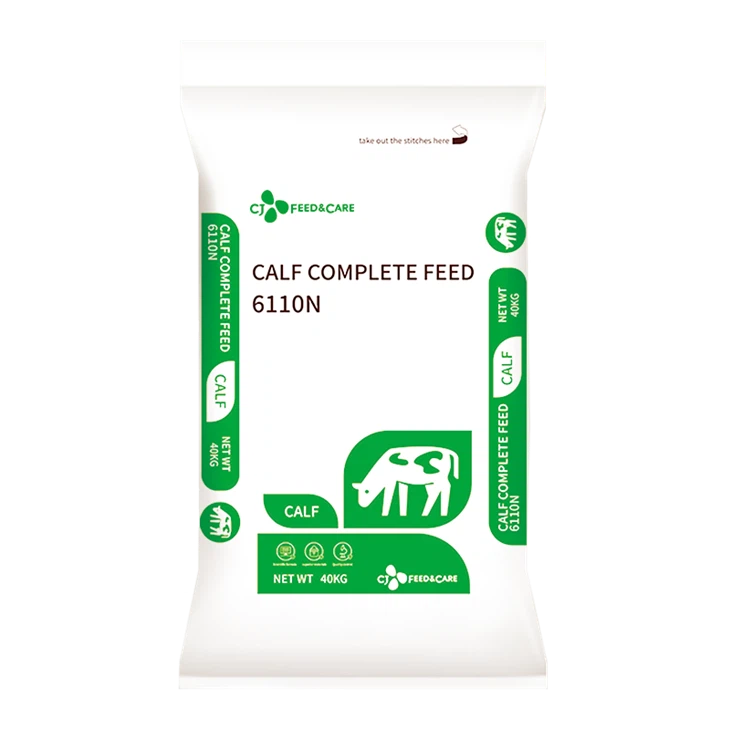

Processing: The processing of feed also varies. Young cattle feeds are often more finely ground to improve digestibility. This is because their digestive systems are not fully developed, and finer particles are easier to break down. Old cattle feeds may be less processed, as their rumen can handle coarser materials.
Feeding Management
Feeding management also differs for young and old cattle.
Frequency of Feeding: Young cattle need to be fed more frequently. Calves may need to be fed several times a day, as their small stomachs can't hold large amounts of feed at once. Old cattle can be fed less frequently, usually once or twice a day, depending on their condition and the type of feed.
Feed Intake Monitoring: Monitoring feed intake is crucial for both young and old cattle. For young cattle, ensuring that they are consuming enough feed is essential for their growth. In the case of old cattle, overfeeding can lead to obesity, which can cause various health problems. Therefore, it's important to adjust the feed amount according to their body condition.
Conclusion
In conclusion, there are significant differences in cattle fattening feed for young and old cattle. These differences are based on their distinct physiological needs at different life stages. As a supplier of Cattle Fattening Feed, I understand the importance of providing the right feed for each stage of a cow's life. By formulating feeds that meet the specific nutritional requirements of young and old cattle, we can ensure their health, growth, and productivity.
If you're a cattle farmer or involved in the cattle industry, and you're looking for high - quality cattle fattening feed tailored to the specific needs of your young or old cattle, I invite you to contact me for procurement and further discussions. We can work together to find the best feed solutions for your herd.
References
- National Research Council. (2000). Nutrient Requirements of Beef Cattle. 7th Revised Edition. National Academy Press.
- Puls, D. (1994). Mineral Nutrition of Livestock. Vol. 1. Feedstuffs Publishing Co.
- Van Soest, P. J. (1994). Nutritional Ecology of the Ruminant. 2nd Edition. Cornell University Press.