
Feed, simply put, is the general term for food provided to animals raised by humans. It is not only the energy source for animals to maintain life, grow, and reproduce, but also the foundation of modern animal husbandry. Feed costs typically account for 60% to 80% of the total cost of livestock production, and its importance is self-evident.
Definition and Classification of Feed
To understand this more clearly, feed can be classified from the following dimensions:
By Nutritional Composition and Source: This is the most fundamental classification method. International and Chinese feed classification systems divide it into eight categories: roughage, green fodder, silage, energy feed, protein feed, mineral feed, vitamin feed, and feed additives. The most important raw materials are energy feeds like corn, and protein feeds like soybean meal and fishmeal. Supplementation with various minerals and vitamins is also necessary.
By Processed Product Form: This is the most common classification we see in the market, mainly including:
Complete Compound Feed: Nutritionally comprehensive and balanced, ready to feed straight from the bag, meeting all the nutritional needs of animals.
Concentrated Feed: Mainly composed of protein, minerals, and additives, it does not contain energy ingredients such as corn. Users need to mix it with energy feed (such as cornmeal) before feeding.
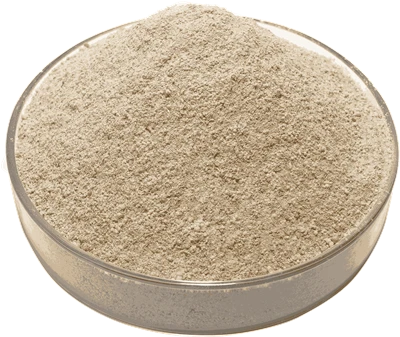
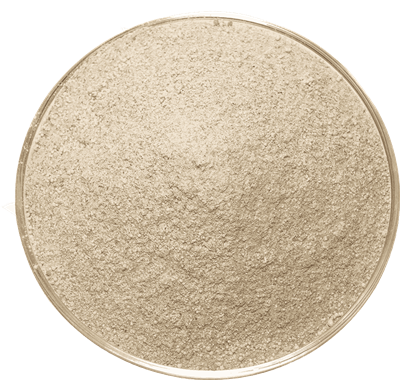
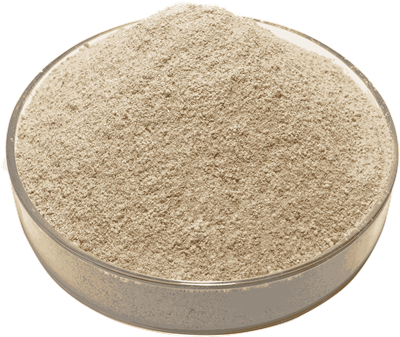
Premixed Feed: This is the "core" of the feed, composed of vitamins, minerals, amino acids, and other trace components mixed with a carrier. The addition ratio is usually no higher than 10%, and it is the most technologically advanced part.
Here, we recommend the premixed feed produced by our factory. We have extensive production experience, a professional R&D team, and have been engaged in the feed industry for over thirty years.


Feed mills and large-scale farms have professional mixing and pelleting equipment; premixed feed is the best choice for saving costs.
From "Feed What's Available" to "Eat What You Need": Scientific Formulating The core of modern feed industry is no longer simply "feed what's available." It's more like a precise nutritional science, following the principle of "eat what you need"-analyzing what animals lack and precisely supplementing accordingly.
Designing a good feed formula hinges on two key criteria
Feeding Standards: The scientific community has long established detailed daily nutritional requirement tables for different species and growth stages of animals.
Feed Composition Tables: The nutritional components (such as protein and energy content) of each ingredient (e.g., corn, soybean meal) are clearly available.
With these two criteria, formulators can combine different ingredients like pieces of a puzzle. A typical pig and poultry feed formula is roughly: energy feed (e.g., corn) accounts for 50-70%, protein feed (e.g., soybean meal) accounts for 20-35%, and the remainder is premixed feeds such as minerals and vitamins. Amino acid balance is crucial, especially focusing on "limiting amino acids" (e.g., lysine, methionine), as their deficiency will limit the utilization of all other amino acids.

The Processing Journey from Raw Materials to Finished Product
With a scientific formula, sophisticated processing techniques are needed to transform it into feed that animals love. The core process is roughly as follows:
Receiving and Cleaning: Raw materials arrive at the factory and are first sieved and magnetically separated to remove impurities and iron filings.
Grinding: Raw materials such as corn and soybean meal are ground into fine particles. The particle size is crucial; too coarse and they are difficult to digest, too fine and they may affect animal health. Appropriate grinding significantly improves the digestibility of nutrients such as starch.
Formulation and Mixing: This is one of the most critical steps. Computer-controlled batching scales accurately weigh each raw material according to the formula, then send them to a large mixer for thorough mixing, ensuring that every bite of feed is nutritionally balanced.
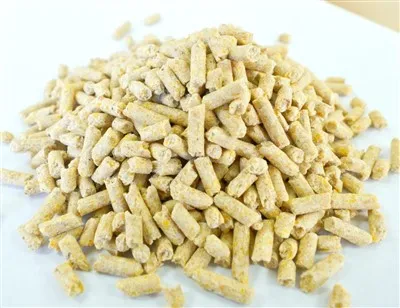
Pelletizing: The mixed powder is steam-conditioned (heated and humidified) and then pressed into pellets. Pelletizing not only improves palatability but also kills harmful bacteria, facilitating storage and feeding. The "conditioning" stage has the greatest impact on pellet quality, accounting for up to 60%.
The animal feed industry, which provides a solid foundation for human meals, has evolved from simple mixing in the fields into a vast industrial system that integrates animal nutrition, fine chemicals, and modern intelligent manufacturing.