The reasons why breeder hens stop laying eggs (i.e. enter a resting period or experience an abnormal decline in egg production) are very complex and can generally be divided into four categories: physiological factors, nutritional factors, environmental factors, and pathological factors.
Here is a detailed analysis of the reasons:
Physiological Factors
This is a natural process. If the cessation of egg production is within the normal range, excessive intervention is generally unnecessary.
Ⅰ. Natural Rest and Molting
After a long period of egg production, breeder hens will naturally enter a rest period to molt. For free-range or conventionally housed hens, shorter daylight hours in autumn and natural molting are the most common causes of cessation of egg production. For high-producing breeder hens, the natural molting period each year usually results in a cessation of egg production for several weeks.
Ⅱ. Aging
The peak egg production of breeder hens is usually in the first year (before approximately 72 weeks of age). As they age, the egg production rate will irreversibly decline until it stops. If the breeder hens have been raised for more than two years, cessation of egg production is a normal phenomenon.
Ⅲ. Broodiness
Some breeder hens (especially local breeds) experience hormonal changes after laying a portion of their eggs, leading to broodiness behavior and a cessation of egg production.
Nutritional Factors
Nutrition is the material basis for egg production, and nutritional imbalance is a common human-caused cause of sudden egg production stoppage.
Ⅰ. Protein Deficiency
Egg production requires a large amount of protein. If the feed contains insufficient protein (especially methionine and cysteine), the chicken will stop laying eggs to conserve nutrients.
Ⅱ. Calcium and Phosphorus Deficiency or Imbalance
Eggshell formation requires a large amount of calcium. If the feed is deficient in calcium, or the calcium-to-phosphorus ratio is improper (the ideal ratio is generally 3-4:1 calcium to phosphorus), the chicken will draw calcium from its bones, leading to a decrease in egg production or even cessation of egg production.
Ⅲ. Insufficient Water
Water is the most important medium in the egg formation process. Deprivation of water (even for just a few hours) will severely affect egg production on that day and may even lead to a decrease in egg production for several days.
Ⅳ. Mycotoxin Poisoning
Moldy or spoiled feed (containing aflatoxin, etc.) will severely damage the chicken's liver and reproductive system, causing a sharp drop in egg production that is difficult to recover.
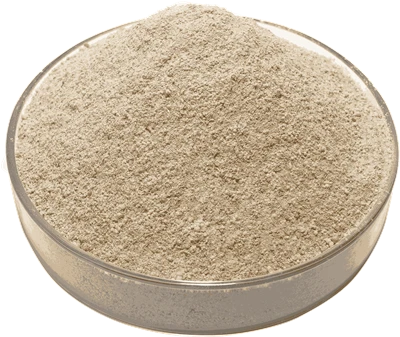
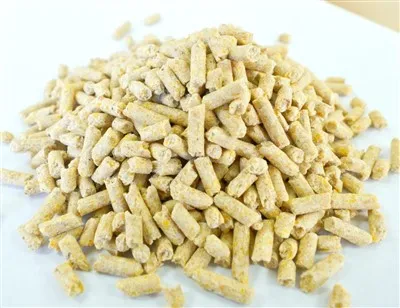
CJ feed and care are animal nutrition specialist, we have 53 years reasearch animal nutrition experience , here some chicken breeder nutrition supplement available to choose:


Environmental Factors
Breeder hens are highly sensitive to environmental changes, and environmental stress is a common cause of decreased egg production.
Ⅰ. Abnormal Lighting
Lighting is crucial for stimulating the pituitary gland in chickens to secrete reproductive hormones. A sudden reduction in lighting time (e.g., forgetting to turn on lights, power outages, or failure to supplement lighting during seasonal changes) is one of the most direct causes of egg production stoppage. Breeder hens typically require a stable 16-16.5 hours of light per day.
Ⅱ. Temperature Stress
High Temperature Stress:
During prolonged periods of high summer temperatures (above 30°C), chickens will reduce feed intake and decrease metabolism to dissipate heat, leading to a significant drop in egg production or even cessation of egg production.
Sudden Cooling:
A sudden drop in temperature will cause chickens to use energy to maintain body temperature rather than for egg production.
Ⅲ. Startle and Stress
Sudden loud noises, the intrusion of strangers or animals, or rough handling can cause stress responses in the flock, resulting in a sharp drop in egg production or even the production of soft-shelled eggs.
Ⅳ. Poor air quality
High concentrations of ammonia in the coop can irritate the chickens' respiratory tract and eyes, causing chronic diseases and indirectly leading to a decrease in egg production.
Pathological Factors
This is the most alarming cause, usually accompanied by other symptoms in the flock.
Ⅰ. Infectious Diseases (Viral Diseases)
Egg Drop Syndrome:
Caused by adenovirus, characterized by a sudden and significant drop in egg production, producing soft-shelled or shell-less eggs, but the chickens' spirit and feed intake may remain normal.
Newcastle Disease/Avian Influenza/Infectious Bronchitis:
These viruses severely damage the chicken's reproductive system (e.g., causing follicle congestion, deformation, and rupture), leading to an irreversible decrease in egg production.
Avian Encephalomyelitis:
Can cause a temporary decrease in egg production.
Ⅱ. Parasitic Diseases
Internal Parasites:
Such as roundworms and tapeworms, when present in large numbers, can deplete nutrients, leading to emaciation in breeder chickens and decreased egg production.
External Parasites:
Such as feather lice and mites (especially red mites, which suck blood at night), can cause itching, restlessness, anemia, and decreased feed intake in chickens, leading to cessation of egg production.
Ⅲ. Inflammation of the fallopian tubes
Inflammation of the fallopian tubes caused by bacterial infection (such as Escherichia coli and Salmonella) can lead to difficulty in laying eggs, laying deformed eggs, and in severe cases, blockage of the fallopian tubes and cessation of egg production.
Products DescriptionManagement Factors
Ⅰ. Overcrowding
Overcrowding leads to frequent fighting among chickens, and weaker chickens cannot consume enough feed, affecting overall egg production.
Ⅱ. Feed Change Stress
Sudden changes to different brands or stages of feed, altered palatability, or nutritional fluctuations can cause short-term anorexia in the flock, leading to fluctuations in egg production.
Ⅲ. Suggested troubleshooting steps
Observe the overall condition:
First, check if the chickens are behaving normally, eating, and drinking. If they are eating and drinking normally but not laying eggs, it's likely due to lighting issues, molting, or egg drop syndrome.
Check feed and water:
Confirm if water supply has been interrupted, if feed is moldy, and if sufficient limestone (calcium source) has been added.
Check the environment:
Review recent events such as sudden temperature drops, power outages leading to shortened lighting, or noise disturbances.
Observe feces and abnormal eggs:
If diarrhea, green droppings, or soft-shelled or sandy-shelled eggs are found, it's likely due to disease or inflammation. Immediate isolation and veterinary diagnosis are necessary.