The egg-laying period of a laying hen is like a marathon lasting more than a year. Based on physiological characteristics and nutritional needs, it can be clearly divided into three stages: pre-laying, peak laying, and post-laying. The table below can help you quickly understand the key points of each stage:
|
Egg Laying Stage |
Core Physiological Characteristics |
Key Nutritional Requirements |
|
Pre-Laying Stage (Approx. 19 weeks - Onset of Laying) |
Body weight and reproductive system develop rapidly simultaneously. Feed intake increases more slowly than egg production, building up energy reserves for egg production. |
High-energy, high-protein diet; calcium level gradually increases from 1% to 2%-2.5%; ad libitum |
|
Peak Laying Stage (Approx. 25-60 weeks) |
Egg production rate remains above 80%-90%. Metabolic intensity is high, physiological burden is heavy, and susceptibility to stress is high. |
Comprehensive and stable nutrition; high-calcium diet (approx. 3.8%); ensure sufficient amino acids, vitamins, and trace elements. |
|
Post-Laying Stage (Approx. 60 weeks and beyond) |
Egg production rate gradually declines, egg weight is larger, eggshell quality deteriorates, and fat deposition is more likely. |
Appropriately reduce protein and energy levels; increase calcium level to 4.5 g/day/bird, adjust calcium-phosphorus ratio; control egg weight. |
Pre-Laying Stage: Laying a Solid Foundation for Peak Laying
This stage spans from the start of egg production (approximately 5% laying rate) until peak laying begins, typically around 19 weeks of age.
Physiological Characteristics
This is the period of most rapid development in the chicken's weight and reproductive system. The ovaries and oviducts grow and enlarge dramatically, preparing for sustained high egg production. However, feed intake often fails to keep pace with the rapid increase in laying rate, easily leading to a negative nutritional balance.
Nutritional Strategy
The core is to build sufficient "energy reserves" for high production.
Timely Feed Change
From around 18 weeks of age or when the laying rate reaches 5%, the grower feed should be switched to laying hen feed .
Increasing Calcium Reserves
The calcium content in the diet needs to be increased from about 1% during the growing period to 2%-2.5% to strengthen calcium reserves in the bones, preparing for the large-scale eggshell formation during peak laying.
Free feeding
Remove the feeding restrictions during the rearing period and allow chickens to feed freely to obtain sufficient energy and protein.
Peak Laying Period: Precise Supply, Maintaining High Production
This is the golden period for laying hens to generate economic benefits, with egg production typically maintained above 90% for 10-20 weeks or even longer.
Physiological Characteristics
Chickens need to provide shells and contents for one or more eggs weighing nearly 60 grams each day, resulting in extremely high metabolic intensity. At this time, the flock's stress resistance is poor; any change in sound, light, or feed can cause a sharp and irreversible drop in egg production.
Nutritional Strategy
The core principles are comprehensiveness, stability, and refinement.
High Energy, High Protein
Ensure the daily dietary energy is 2700-2800 kcal/kg, with approximately 16.5% crude protein. A medium-sized laying hen at peak production needs approximately 1380 kJ of metabolizable energy and 19-20 grams of crude protein per day.
Calcium Fortification
The dietary calcium content needs to be increased to around 3.8%. Ideally, it should contain around 60% granular calcium (such as seashell sand), which can be slowly released in the gizzard to meet the large calcium requirements during nighttime eggshell formation.
Amino Acid Balance
In addition to protein nutrition, attention should be paid to the balance of amino acids, especially the precise supply of essential amino acids such as lysine and methionine.
Functional Additives
Appropriate additions of probiotics, enzymes, and vitamins can help maintain intestinal and liver health, improve feed conversion rate, and enhance immunity.
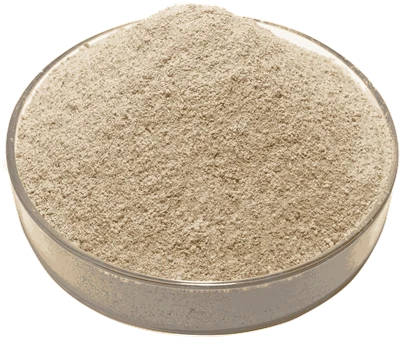
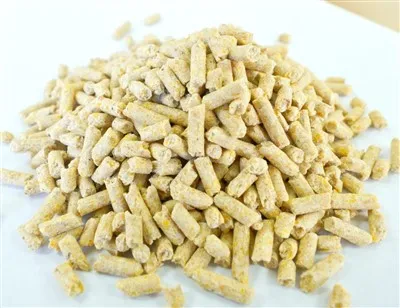
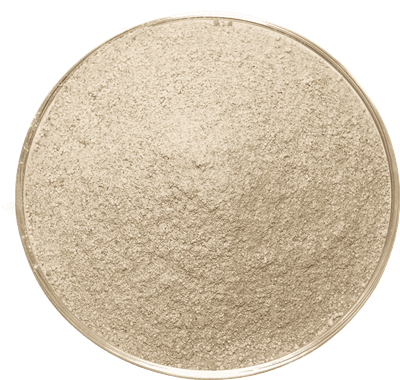
CJ premix with balance nutrition formula to meet the laying hen production need , we recommend the below products for laying hen :


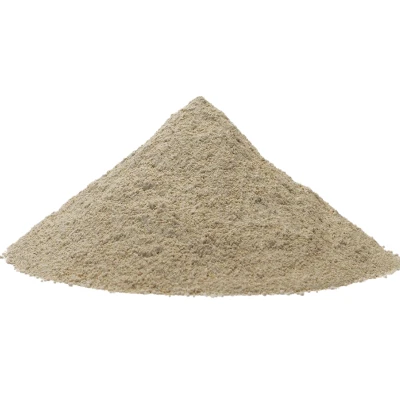
CJ feed aim to do high quanlity animal feed , good feed will take good production result and make animals grow healthly .
Late Laying Period: Adjusting the Formula to Ensure Quality
Once the laying rate drops below 80%, the chickens enter the late laying period, typically after 60 weeks of age.
Physiological Characteristics
Laying rate naturally declines, but egg weight often remains high, increasing the risk of problems like cloacal prolapse. With increasing age, eggshell quality deteriorates, leading to a higher breakage rate, and chickens are prone to excessive fat accumulation.
Nutritional Strategy
The core principles are weight control, quality improvement, and cost reduction.
Adjusting Protein and Energy
Appropriately reduce the levels of crude protein and energy in the diet to prevent excessive fat accumulation and save on feed costs.
Optimizing the Calcium-Phosphorus Ratio
Further increase calcium intake (ensuring at least 4.5 grams per chicken per day) and appropriately reduce phosphorus levels to improve eggshell quality. Supplementing with shell sand in the afternoon can also be considered.
Controlling Egg Weight
By appropriately reducing protein and amino acid levels, control rapid egg weight gain to reduce damage to the spawning canal and mortality caused by excessive egg weight.
Besides phased nutrition, the following points should be noted throughout the laying period
Lighting Management
Lighting is crucial for stimulating egg production. The duration of lighting during the laying period should only be extended, not shortened, and generally stabilized at around 16 hours per day.
Environmental Control
Provide the flock with a comfortable, stable, and hygienic environment. The suitable temperature is 18-23℃, and good ventilation should be maintained to reduce harmful gases such as ammonia.
Water Management
Ensure sufficient, clean drinking water at a suitable temperature.
What breed of laying hens are you currently raising? Or are you conducting related research? Tell me your specific situation, and I can provide more targeted advice.