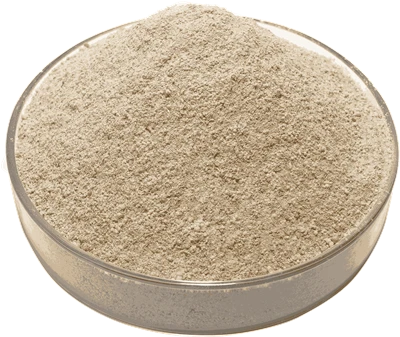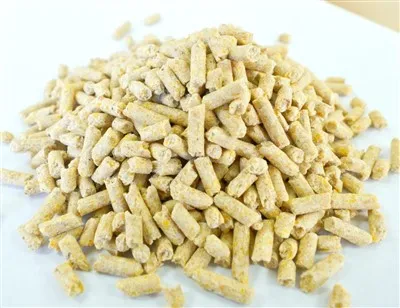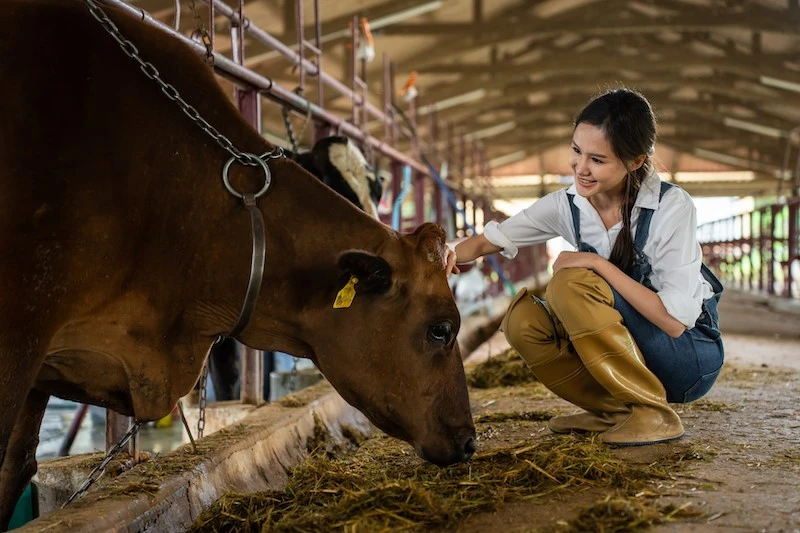
In livestock and aquaculture, feeds are typically categorized into four main types based on their nutritional content and primary purpose. This classification helps farmers formulate diets scientifically and economically to meet the nutritional needs of animals at different stages of growth.
The following are the four main types of feed:
Energy Feed
Definition
Feeds with a crude fiber content of less than 18% and a crude protein content of less than 20% of their dry matter content. Their primary function is to provide animals with the basic energy needed for life and production.
Main Characteristics
|
High in carbohydrates |
Rich in starch and soluble sugars. |
|
Low in protein |
Low in protein and often with an unbalanced amino acid profile. |
|
Good palatability |
Generally preferred by animals |
Common Examples
|
Grains |
Corn, sorghum, barley, wheat, oats, etc. (corn is recognized as the "king of feeds" and has the highest energy content). |
|
Brans |
Wheat bran, rice bran, etc. (relatively high in fiber). |
|
Roots and tubers |
Sweet potatoes, potatoes, cassava, etc., and their processing by-products. |
Main Uses
|
Provides heat energy required for basal metabolic functions such as maintaining body temperature, respiration, and movement. |
|
As a primary component of the diet, it provides the majority of the energy required for growth, weight gain, and milk production. |
|
Excess energy can be converted into fat and stored in the body. |
Protein Feed
Definition
Refers to feeds with a crude fiber content of less than 18% and a crude protein content of 20% or more per dry matter. They are key ingredients for building animal tissues (such as muscle, organs, and hair).
Main Characteristics
|
High in protein |
The protein content is significantly higher than that of energy feeds. |
|
Rich in essential amino acids |
Provides amino acids that animals cannot synthesize on their own, particularly lysine and methionine, which are often lacking in plant proteins. |
|
Usually expensive |
They constitute a major portion of the diet cost. |
Common Examples
|
Plant-based protein feeds |
Soybean meal (most commonly used), rapeseed meal, cottonseed meal, peanut meal, etc. |
|
Animal-based protein feeds |
Fish meal (a representative of high-quality protein), meat and bone meal, blood meal, feather meal, etc. |
|
Single-cell protein feeds |
Yeast, algae, etc. |
Main Uses
|
Promotes growth and development in young animals and builds muscle tissue. |
|
Maintains body condition and tissue repair in adult animals. |
|
For milk production and egg-producing animals, it is an essential ingredient for synthesizing the protein found in milk and eggs. |
| Improve the overall nutritional value and quality of the diet. |
Roughage
Definition
Refers to feeds containing at least 18% crude fiber per dry matter. This type of feed is bulky and difficult to digest, but is crucial for ruminants (such as cattle and sheep).
Main Characteristics
|
High Fiber |
Rich in cellulose, hemicellulose, and lignin. |
|
Low Energy |
Because fiber is difficult to digest, its effective energy value is low. |
|
Large |
Fills the stomach and creates a feeling of fullness. |
|
Usually inexpensive |
Common Examples
|
Hay |
Alfalfa hay, sheepgrass, oat hay, etc. (high-quality roughage). |
|
Straw |
Corn stalks, wheat straw, rice straw, etc. (low nutritional value, but widely available). |
|
Husk |
Bean pods, grain husks, etc. |
|
Silage |
Made by sealing and fermenting fresh plant matter (such as whole corn plants), which effectively preserves nutrients. |
Main Uses
|
For ruminants |
An essential component of the diet. Fiber is fermented by microorganisms in the rumen to produce volatile fatty acids, which are the primary energy source for ruminants. Fiber also stimulates rumination and salivation, maintaining a healthy rumen acid-base environment. |
|
For monogastric animals (such as pigs and poultry) |
Use in very small amounts, primarily to stimulate intestinal motility or provide micronutrients. Excessive amounts can reduce the nutrient concentration of the diet. |
Definition
Substances added to compound feed in small quantities for specific purposes (such as nutritional supplementation, maintaining feed quality, or improving animal health). They are generally not nutrients themselves.
Key Characteristics
|
Low Dosage, High Effect |
These additives are added to the diet in very low proportions (usually from a few parts per million to a few percent), yet exhibit significant effects. |
|
Various Types |
These additives have varying functions. |
Common Examples and Uses
|
Nutritional Additives |
Supplement micronutrients that are deficient in the diet. |
|
Vitamins |
Vitamins A, D, E, K, and B vitamins. |
|
Minerals |
Calcium, phosphorus, sodium, chlorine, and trace elements such as iron, zinc, copper, and selenium. |
|
Amino Acids |
Synthetic lysine and methionine, used to balance the amino acid profile of the diet. |
Non-Nutritional Additives
|
Health and Growth Promoters |
Antibiotics (restricted or banned in many countries), probiotics, enzymes, etc., used to improve intestinal health and promote growth. |
|
Antioxidants |
Prevent oxidation and deterioration of fats and vitamins in the feed. |
|
Mold inhibitors |
Prevent feed from mold in humid environments. |
|
Flavoring attractants |
Improve feed palatability and increase animal feed intake. |
Below talk about our factory brief
Basic Information
|
Company Name |
|
|
Group |
South Korea's CJ Group, a large multinational corporation with businesses spanning food, biotechnology, entertainment and media. |
|
Location |
Located in Tianjin. The company's specific address is usually stated in its official profile or contact information, and is often located in the Economic Development Industrial Park in Jinghai District, Tianjin. |
|
Principal Business |
Production and sales of various compound complete feeds, concentrated feeds, feed additve and premixed feeds for livestock, poultry, and other products. |
Key Features
|
Strong Technical Capabilities |
Leveraging CJ Group's global R&D network and technological advantages, product quality and nutritional formulas are guaranteed. |
|
Complete Product Line |
Providing feed solutions for a variety of animals, including pigs, chickens, ducks, cattle, and aquatic products, to large-scale farms and farmers. |
|
Strict Quality Control |
As a large foreign company, we typically have modern production lines and a strict quality control system to ensure feed safety. |
|
Market Positioning |
Primarily serving North China, with global reach. We primarily serve large-scale farms, but in recent years have also expanded to small and medium-sized farms. Catering to the diverse global farming environment, we have become a key brand in the feed industry. |
|
Official Website |
Visit CJ China's official website (usually cj.net.cn or cjkorea.com.cn). If you would like to contact our factory, please visit www.cjfeedcn.com. |