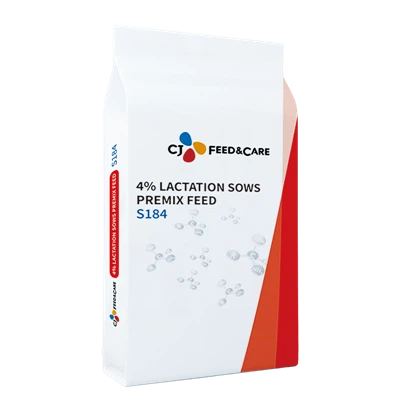
Hey there, fellow cattle enthusiasts! I'm a supplier of cattle feed, and I've been in this business for quite a while. Over the years, I've learned a thing or two about what types of feed are suitable for dairy cattle. In this blog post, I'm gonna share some of that knowledge with you.
First off, let's talk about why choosing the right feed for dairy cattle is so important. Dairy cows need a balanced diet to produce high - quality milk. A proper diet not only affects the quantity of milk they produce but also its nutritional value. So, picking the right feed can have a huge impact on your dairy farm's profitability and the health of your cows.
Forage
Forage is a staple in a dairy cow's diet. It includes things like hay, silage, and pasture grass. Forages are rich in fiber, which is essential for the proper functioning of a cow's rumen, the largest part of its stomach.
Hay: Hay is dried grass or legumes. Alfalfa hay, for example, is a popular choice for dairy cattle. It's high in protein, calcium, and other nutrients. Good - quality alfalfa hay can provide a significant portion of a cow's daily nutritional needs. But you gotta make sure the hay is well - stored to prevent mold growth, which can be harmful to the cows.
Silage: Silage is made by fermenting green forage crops like corn, sorghum, or grass. It's a great way to preserve the nutrients in the forage. Corn silage, in particular, is widely used in dairy cattle diets. It's energy - rich, which is important for cows that are producing milk. The fermentation process also makes the nutrients in the silage more digestible for the cows.
Pasture Grass: Allowing cows to graze on pasture is a natural and cost - effective way to feed them. Fresh pasture grass is full of vitamins and minerals. It also gives the cows a chance to exercise and be in a more natural environment. However, the quality of pasture grass can vary depending on the season and the type of grass. You might need to supplement the cows' diet with other feeds during times when the pasture isn't as nutritious.
Concentrates
Concentrates are another important part of a dairy cow's diet. They are high in energy, protein, and other nutrients, and they help to meet the cows' increased nutritional demands, especially during lactation.
Concentrated Feed for Cattle is a great option. These feeds are formulated to provide a balanced mix of proteins, carbohydrates, fats, vitamins, and minerals. They can be made from grains like corn, barley, and wheat, as well as protein sources like soybean meal. Concentrated feeds can be customized based on the specific needs of your dairy herd, such as the stage of lactation, age, and body condition of the cows.
Supplements
Supplements are used to fill in the nutritional gaps in a cow's diet. They can include things like vitamins, minerals, and amino acids.
Mineral Supplements: Dairy cows need a variety of minerals for proper growth, milk production, and overall health. Calcium, phosphorus, magnesium, and potassium are some of the key minerals. Mineral supplements can be in the form of blocks, loose powders, or premixes. You need to make sure the cows have access to these supplements at all times.
Vitamin Supplements: Vitamins are also crucial for dairy cattle. Vitamin A, D, and E are especially important. Vitamin A is important for vision and immune function, vitamin D helps with calcium absorption, and vitamin E is an antioxidant that protects the cells from damage.
Specialized Feeds
There are also some specialized feeds that can be beneficial for dairy cattle at different stages of their lives.
Beef Calf Starter Feed can be used for young calves. These feeds are formulated to meet the specific nutritional needs of calves, which are different from adult cows. They are high in protein and energy to support the calves' rapid growth.
Beef Cow Concentrate Feed can be adjusted for dairy cows as well. It can be used to help cows maintain their body condition, especially during times when they are not producing as much milk, like during the dry period.
How to Choose the Right Feed
When it comes to choosing the right feed for your dairy cattle, there are a few things to consider.
Stage of Lactation: Cows have different nutritional needs during different stages of lactation. For example, cows in early lactation need more energy and protein to support milk production. You might need to adjust the feed ration accordingly.
Body Condition: You should also consider the body condition of the cows. Overweight cows might need a diet that is lower in energy, while underweight cows might need more energy - rich feeds.


Cost: Of course, cost is also a factor. You want to find a balance between providing high - quality feed and keeping your costs down. Sometimes, it might be more cost - effective to grow your own forage or to source feed locally.
Conclusion
In conclusion, there are several types of cattle feed that are suitable for dairy cattle, including forage, concentrates, supplements, and specialized feeds. Each type of feed plays a unique role in meeting the cows' nutritional needs. By choosing the right combination of feeds based on the cows' stage of lactation, body condition, and other factors, you can ensure that your dairy cows are healthy and productive.
If you're interested in learning more about our cattle feed products or if you want to discuss your specific feeding needs, I'd love to hear from you. Just reach out, and we can start a conversation about how we can help you keep your dairy herd in top shape.
References
- National Research Council. (2001). Nutrient Requirements of Dairy Cattle. National Academy Press.
- Dairy Cattle Nutrition Handbook. (Various editions). Multiple industry publishers.