What is the impact of feed on the health of dairy cows?
As a dedicated dairy cow feed supplier, I've witnessed firsthand the profound influence that feed has on the well - being and productivity of dairy cows. In this blog, I aim to explore in detail the various ways in which feed impacts the health of these essential farm animals.
Nutritional Balance and Dairy Cow Health
Dairy cows, like humans, require a balanced diet to maintain optimal health. A well - formulated feed should provide the right proportions of carbohydrates, proteins, fats, vitamins, and minerals. Carbohydrates are a primary source of energy for dairy cows. Starch and fiber are the two main types of carbohydrates in their diet. Grains, such as corn and barley, are rich in starch, providing quick energy for high - yielding cows. Fiber, on the other hand, comes from forages like hay and silage. Adequate fiber intake is crucial for proper rumen function. The rumen, a large fermentation chamber in the cow's stomach, houses billions of microorganisms that break down fiber. If the fiber content in the feed is too low, it can lead to a condition called ruminal acidosis. This occurs when the pH in the rumen drops too much, often due to an over - consumption of rapidly fermentable carbohydrates. Ruminal acidosis can cause a variety of problems, including reduced feed intake, poor milk production, and even liver abscesses [1].
Proteins are essential for growth, milk production, and the repair of body tissues. Dairy cows need a good source of high - quality protein in their diet. Soybean meal is a commonly used protein source in dairy cow feeds. It contains all the essential amino acids that cows need. An insufficient supply of protein can lead to reduced milk production, poor reproductive performance, and a weakened immune system. Cows may also experience slower growth rates, especially in young calves.
Fats are another important component of the dairy cow diet. They provide a concentrated source of energy, which is particularly beneficial for high - producing cows. Feeding fats can also improve the energy density of the feed, allowing cows to consume more energy in a smaller volume. However, it's important not to over - feed fats, as this can lead to digestive problems, including reduced rumen fermentation and an increased risk of ketosis.
Vitamins and minerals are also vital for the health of dairy cows. Vitamins such as vitamin A, D, and E are important for vision, bone health, and immune function, respectively. Minerals like calcium, phosphorus, and magnesium are necessary for proper muscle function, skeletal development, and milk production. A deficiency in any of these vitamins or minerals can have serious consequences for the cow's health and productivity. For example, a calcium deficiency can lead to milk fever, a potentially life - threatening condition that affects cows around calving time.
Specific Feed Types and Their Benefits
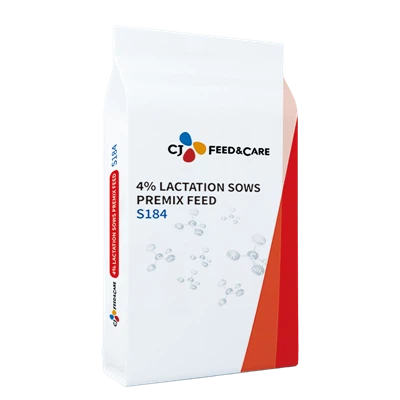
Premix Feed for Lactation Dairy Cow
When it comes to lactating dairy cows, Premix Feed for Lactation Dairy Cow plays a crucial role. A lactating cow has high nutritional demands to support milk production. Premix feeds are carefully formulated to provide all the necessary vitamins, minerals, and other essential nutrients in the right proportions. These feeds are often customized based on the stage of lactation and the breed of the cow. For instance, during the early lactation period, when milk production is at its peak, cows need a higher level of energy, protein, and minerals. A well - designed premix feed ensures that the cows receive these nutrients in adequate amounts, which can lead to increased milk yield, improved milk quality, and better overall health. Premix feeds can also help prevent nutritional deficiencies, which are common in lactating cows due to their high nutrient requirements.
Premix For Dairy Cows
Premix For Dairy Cows is not only beneficial for lactating cows but also for dry cows and growing heifers. Dry cows need a different nutritional profile compared to lactating cows. They need to rest and prepare for the next lactation cycle. A proper premix feed for dry cows can help maintain their body condition and ensure a smooth transition to lactation. For growing heifers, the right premix feed provides the necessary nutrients for growth and development. It helps them reach sexual maturity at the appropriate age and prepares them for their future role as productive dairy cows. By providing a balanced diet through premix feeds, we can improve the long - term health and productivity of the entire dairy herd.
Complete Calf Feed
Complete Calf Feed is specifically designed for young calves. Calves are highly susceptible to diseases and nutritional deficiencies during their early life. A complete calf feed provides all the necessary nutrients in a readily digestible form. It typically contains a balanced combination of proteins, carbohydrates, fats, vitamins, and minerals. This helps calves grow strong and healthy, with a well - developed immune system. Good nutrition during the calf stage is also important for future milk production. Calves that receive proper nutrition are more likely to reach their full genetic potential as adult cows, producing more milk with better quality.
Feed Quality and Its Impact
The quality of the feed is just as important as its nutritional composition. Poor - quality feed can contain contaminants such as mold, bacteria, or toxins, which can have a negative impact on the health of dairy cows. Moldy feed, for example, can produce mycotoxins. These toxins can cause a variety of health problems in cows, including reduced feed intake, digestive disorders, and immunosuppression. Bacterial contamination, such as Salmonella or E. coli, can lead to infections and diseases in cows. These infections can not only affect the health of the individual cow but also spread throughout the herd, causing significant economic losses for the dairy farmer.
To ensure the quality of the feed, it's important to source ingredients from reliable suppliers and follow proper storage and handling practices. Feed should be stored in a dry, cool place to prevent mold growth. It should also be regularly inspected for signs of spoilage or contamination. As a feed supplier, we take great care in ensuring the quality of our products. We conduct strict quality control checks at every stage of the production process, from ingredient sourcing to final packaging.
Feed and Dairy Cow Reproductive Health
Proper nutrition is also closely linked to the reproductive health of dairy cows. Cows that are under - nourished or receive an imbalanced diet may experience problems with estrus detection, conception rates, and pregnancy maintenance. For example, a deficiency in certain vitamins and minerals, such as vitamin E and selenium, can affect the cow's reproductive organs and lead to reduced fertility. On the other hand, over - feeding can also cause reproductive problems. Cows that are overly fat may have hormonal imbalances, which can interfere with the normal reproductive cycle.
A well - formulated feed can help maintain the right body condition of the cows, ensuring optimal reproductive performance. For example, providing the right amount of energy and protein can help cows reach and maintain a healthy body weight. This is important for the proper functioning of the reproductive system. By carefully managing the diet of dairy cows, we can improve their reproductive efficiency, which ultimately leads to higher herd productivity.
Conclusion
In conclusion, the impact of feed on the health of dairy cows is far - reaching and multi - faceted. From maintaining a balanced nutritional intake to ensuring high feed quality, every aspect of feed management plays a crucial role in the well - being and productivity of these animals. As a dairy cow feed supplier, we are committed to providing high - quality, nutritionally balanced feeds that meet the specific needs of different stages of the cow's life cycle.
If you are a dairy farmer looking to improve the health and productivity of your herd, I encourage you to contact us for a tailored feed solution. Our team of experts can work with you to understand your specific requirements and recommend the most suitable feeds for your cows. Let's work together to ensure the success of your dairy operation.
References
[1] National Research Council (NRC). (2001). Nutrition Requirements of Dairy Cattle. The National Academies Press.