As a dedicated swine feed supplier, I've witnessed firsthand the crucial role that feed energy values play in the health, growth, and productivity of swine. In this blog, I'll delve into the energy values of different swine feeds, exploring how they impact various stages of a pig's life and why choosing the right feed is essential for swine farmers.
Understanding Energy in Swine Feeds
Energy is the most critical nutrient in swine diets, as it fuels all physiological processes, including growth, reproduction, and maintenance. The energy content of feed is typically measured in megacalories per kilogram (Mcal/kg) of dry matter. The three main types of energy used in swine nutrition are digestible energy (DE), metabolizable energy (ME), and net energy (NE).
- Digestible Energy (DE): This is the amount of energy in the feed that is digested and absorbed by the pig. It is calculated by subtracting the energy lost in the feces from the gross energy of the feed.
- Metabolizable Energy (ME): ME takes into account the energy lost in the urine and as gaseous products of digestion (mainly methane). It is a more accurate measure of the energy available to the pig than DE.
- Net Energy (NE): NE represents the energy that is actually used by the pig for maintenance, growth, and reproduction. It accounts for the energy lost as heat during digestion and metabolism.
Energy Values of Different Swine Feeds
1. Cereal Grains
Cereal grains are the primary source of energy in swine diets. They are rich in starch, which is easily digested and provides a high amount of energy. Some common cereal grains used in swine feeds include corn, wheat, barley, and sorghum.
- Corn: Corn is the most widely used cereal grain in swine diets due to its high energy content and availability. It has a DE of about 3.6 - 3.8 Mcal/kg and an ME of about 3.4 - 3.6 Mcal/kg. Corn is also relatively low in fiber, making it highly digestible for pigs.
- Wheat: Wheat is another popular cereal grain in swine diets. It has a similar energy content to corn, with a DE of about 3.5 - 3.7 Mcal/kg and an ME of about 3.3 - 3.5 Mcal/kg. Wheat is also a good source of protein and essential amino acids.
- Barley: Barley has a lower energy content than corn and wheat, with a DE of about 3.2 - 3.4 Mcal/kg and an ME of about 3.0 - 3.2 Mcal/kg. However, it is a good source of fiber and can be used in swine diets to improve gut health.
- Sorghum: Sorghum is a drought-tolerant cereal grain that can be used as an alternative to corn in swine diets. It has a DE of about 3.4 - 3.6 Mcal/kg and an ME of about 3.2 - 3.4 Mcal/kg.
2. Protein Sources
Protein sources are also important in swine diets, as they provide essential amino acids for growth and development. Some common protein sources used in swine feeds include soybean meal, fish meal, and meat and bone meal.
- Soybean Meal: Soybean meal is the most widely used protein source in swine diets. It has a high protein content (about 44 - 48%) and a good balance of essential amino acids. Soybean meal also has a relatively high energy content, with a DE of about 3.2 - 3.4 Mcal/kg and an ME of about 3.0 - 3.2 Mcal/kg.
- Fish Meal: Fish meal is a high-quality protein source that is rich in essential amino acids, vitamins, and minerals. It has a DE of about 3.5 - 3.7 Mcal/kg and an ME of about 3.3 - 3.5 Mcal/kg. However, fish meal is relatively expensive and may not be suitable for all swine diets.
- Meat and Bone Meal: Meat and bone meal is a by-product of the meat processing industry. It has a high protein content (about 45 - 55%) and a good balance of essential amino acids. Meat and bone meal also has a relatively high energy content, with a DE of about 3.0 - 3.2 Mcal/kg and an ME of about 2.8 - 3.0 Mcal/kg.
3. Fats and Oils
Fats and oils are concentrated sources of energy that can be added to swine diets to increase their energy density. They also provide essential fatty acids, which are important for the health and development of pigs. Some common fats and oils used in swine feeds include soybean oil, corn oil, and animal fat.
- Soybean Oil: Soybean oil is a common vegetable oil used in swine diets. It has a high energy content, with a DE of about 8.5 - 9.0 Mcal/kg and an ME of about 8.0 - 8.5 Mcal/kg. Soybean oil is also a good source of essential fatty acids, such as linoleic acid.
- Corn Oil: Corn oil is another vegetable oil that can be used in swine diets. It has a similar energy content to soybean oil, with a DE of about 8.5 - 9.0 Mcal/kg and an ME of about 8.0 - 8.5 Mcal/kg.
- Animal Fat: Animal fat, such as tallow and lard, is a common source of fat in swine diets. It has a high energy content, with a DE of about 8.0 - 8.5 Mcal/kg and an ME of about 7.5 - 8.0 Mcal/kg. Animal fat is also relatively inexpensive compared to vegetable oils.
Energy Requirements of Swine at Different Stages of Life
The energy requirements of swine vary depending on their age, weight, and physiological state. Here's a breakdown of the energy requirements of swine at different stages of life:
1. Piglets
Piglets have high energy requirements due to their rapid growth and development. They need a diet that is high in energy and protein to support their growth. Piglet Starter Concentrated Feed is specifically formulated to meet the energy and nutrient requirements of piglets. It typically contains a high level of cereal grains, protein sources, and fats and oils to provide a high energy density.


2. Growing and Finishing Pigs
Growing and finishing pigs require a diet that provides enough energy to support their growth and maintain their body condition. The energy requirements of growing and finishing pigs depend on their weight and growth rate. As pigs grow, their energy requirements per unit of body weight decrease. A balanced diet that contains a combination of cereal grains, protein sources, and fats and oils is essential for growing and finishing pigs.
3. Lactating Sows
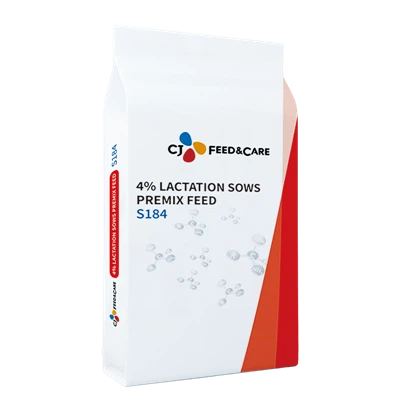
Lactating sows have very high energy requirements due to the production of milk. They need a diet that is high in energy and protein to support milk production and maintain their body condition. Lactating Sow Premix Feed is formulated to meet the energy and nutrient requirements of lactating sows. It typically contains a high level of cereal grains, protein sources, and fats and oils to provide a high energy density.
4. Boars
Boars require a diet that provides enough energy to maintain their body condition and reproductive performance. Boar Premix Feed is formulated to meet the energy and nutrient requirements of boars. It typically contains a balanced combination of cereal grains, protein sources, and fats and oils to provide the necessary energy for boars.
Choosing the Right Swine Feed
Choosing the right swine feed is essential for the health, growth, and productivity of swine. Here are some factors to consider when choosing a swine feed:
- Energy Content: The energy content of the feed should match the energy requirements of the swine at different stages of life. A feed that is too low in energy may result in poor growth and performance, while a feed that is too high in energy may lead to obesity and other health problems.
- Nutrient Balance: The feed should provide a balanced combination of energy, protein, vitamins, and minerals to meet the nutritional requirements of the swine. A balanced diet is essential for the health and development of pigs.
- Quality and Safety: The feed should be of high quality and free from contaminants, such as mycotoxins and pathogens. High-quality feed ensures the health and safety of the swine.
- Cost: The cost of the feed is an important consideration for swine farmers. However, it is important to remember that the cheapest feed may not always be the best option. A high-quality feed that provides the necessary energy and nutrients may result in better growth and performance, which can ultimately lead to higher profits.
Conclusion
Understanding the energy values of different swine feeds is crucial for swine farmers and feed suppliers. By choosing the right feed that meets the energy requirements of swine at different stages of life, farmers can ensure the health, growth, and productivity of their pigs. As a swine feed supplier, I am committed to providing high-quality feeds that are formulated to meet the specific energy and nutrient requirements of swine. If you are interested in learning more about our swine feeds or would like to discuss your specific needs, please feel free to contact us for a procurement discussion. We look forward to working with you to achieve optimal swine performance.
References
- National Research Council (NRC). (2012). Nutrient Requirements of Swine (11th ed.). The National Academies Press.
- Lewis, A. J., & Southern, L. L. (2001). Swine Nutrition. CRC Press.
- Sauer, W. C., & Ozimek, L. (1986). Energy utilization in swine. In W. C. Sauer & D. H. Baker (Eds.), Swine Nutrition (pp. 1-49). Academic Press.