Hey there, fellow pig farmers! I'm a supplier of finisher feeds for pigs, and I often get asked about the difference between finisher feeds and starter feeds. So, I thought I'd take a few minutes to break it down for you.
First off, let's talk about what starter feeds are. Starter feeds are designed for piglets right after they're weaned. Piglets at this stage have very delicate digestive systems that are still developing. They need a feed that's easy to digest and packed with the right nutrients to support their rapid growth.
One of the key things about starter feeds is the protein content. Piglets need a high - protein diet to build muscle and develop properly. Usually, starter feeds have a protein content of around 18% - 22%. This high - quality protein helps them grow quickly and stay healthy.
Another important aspect is the energy source. Starter feeds often use easily digestible carbohydrates and fats. For example, they might include things like corn and soybean oil. These provide the energy piglets need to be active and grow.
Starter feeds also contain a variety of vitamins and minerals. These are essential for the piglets' overall health, including bone development, immune function, and proper organ growth. You can check out our Piglet Starter Feed Super 2 which is specifically formulated to meet the unique needs of piglets. It's got all the right stuff to give them a great start in life.
Some pig farmers also use Alternative Milk for Piglets as a supplement during the early stages. This can be especially useful if the piglets aren't getting enough milk from their mothers or if they're having trouble transitioning to solid feed.
Now, let's move on to finisher feeds. Finisher feeds are for pigs that are approaching market weight. At this stage, the pigs' digestive systems are more mature, and their nutritional needs are different.
The protein content in finisher feeds is generally lower than in starter feeds, usually around 14% - 18%. The reason for this is that the pigs have already done most of their muscle building. They still need protein, but not as much as when they were piglets.
The focus of finisher feeds is more on energy. Pigs at this stage need to put on weight quickly, and energy - dense feeds help them do that. Grains like corn and barley are common ingredients in finisher feeds because they're rich in carbohydrates, which are a great source of energy.
Finisher feeds also need to be balanced in terms of other nutrients. For example, they need the right amount of calcium and phosphorus for bone health, even though the pigs are no longer growing as rapidly as piglets. And they still need vitamins and antioxidants to support their immune systems.
As a supplier of finisher feeds, I know how important it is to get the formula just right. Our finisher feeds are carefully crafted to ensure that the pigs get the most out of their diet, resulting in healthy, well - developed pigs that are ready for market.
Another thing to consider is the cost - effectiveness of the feeds. Starter feeds are more expensive per pound because of the high - quality ingredients and the specific nutritional requirements. Finisher feeds, on the other hand, are more cost - effective in terms of getting the pigs to market weight. Since you're feeding a larger quantity of feed to the pigs at this stage, it's important to have a feed that gives you the best value for your money.
Now, let's talk about the feeding strategies for each type of feed. When it comes to starter feeds, it's crucial to introduce them gradually to the piglets. Sudden changes in diet can cause digestive problems like diarrhea. You can start by mixing a small amount of starter feed with the piglets' previous diet and gradually increase the proportion of the starter feed over a few days.
For finisher feeds, you can usually switch the pigs over more quickly. Since their digestive systems are more mature, they can handle the change better. However, it's still a good idea to monitor the pigs' behavior and health during the transition.
In addition to the nutritional differences, the physical form of the feeds can also vary. Starter feeds are often in a pellet form. Pellets are easier for piglets to eat and can help ensure that they get a balanced diet. Finisher feeds can be in pellet form, but they can also be in a meal or crumble form. The choice of form depends on the pigs' preferences and the feeding equipment you have on your farm.
When you're raising pigs, it's also important to consider the overall management of the herd. The quality of the housing, the access to clean water, and the general health management all play a role in how well the pigs respond to the feeds. For example, if the pigs are living in dirty or overcrowded conditions, they may not be able to fully utilize the nutrients in the feed, no matter how good the feed is.
As a supplier, I'm always here to help you make the best decisions for your pig farm. Whether you're just starting out with piglets or you're getting your pigs ready for market, I can provide you with the right feed and advice.


If you're interested in our finisher feeds or have any questions about the difference between starter and finisher feeds, don't hesitate to reach out. We can have a chat about your specific needs and how our products can fit into your pig - raising operation.
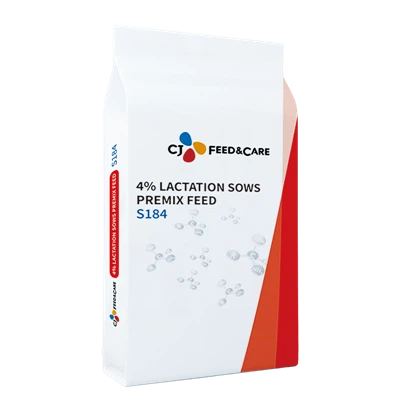
And if you're raising lactating sows, you might want to check out our Lactating Sow Premix Feed. It's formulated to meet the unique nutritional needs of sows during lactation, ensuring that they can produce high - quality milk for their piglets.
In conclusion, understanding the difference between starter feeds and finisher feeds is essential for successful pig farming. Each type of feed is designed to meet the specific nutritional needs of pigs at different stages of their growth. By choosing the right feed and following proper feeding strategies, you can ensure that your pigs are healthy, grow well, and are profitable for your farm. So, if you're ready to take your pig - raising to the next level, let's have a conversation about how our finisher feeds can work for you.
References
- "Swine Nutrition Guide" by the National Pork Board
- "Feeding and Nutrition of Pigs" by various industry experts in swine production