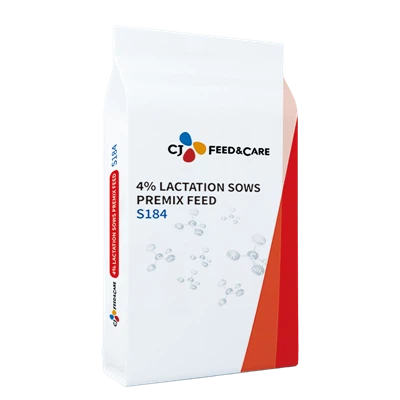
As a supplier of beef calf starter feed, I've been in the thick of the livestock nutrition industry for quite some time. One question that frequently pops up from farmers and ranchers is about the cost of beef calf starter feed. It's a crucial question, as the financial aspect plays a significant role in the overall management of a beef cattle operation.
Understanding the Components of Cost
The cost of beef calf starter feed is not a one - size - fits - all figure. It is influenced by a multitude of factors, each contributing to the final price tag.
Ingredient Costs
The primary ingredients in beef calf starter feed include grains such as corn, wheat, and barley. These grains are the energy sources for the calves. The market prices of these grains are subject to fluctuations based on factors like weather conditions, global demand, and crop yields. For example, a drought in a major grain - producing region can lead to a decrease in supply and an increase in price.
Protein sources, such as soybean meal, are also essential in calf starter feed. The cost of soybean meal is affected by factors like the cost of soybeans, processing costs, and transportation. Other ingredients like vitamins, minerals, and additives also contribute to the overall cost. These are necessary to ensure that the calves receive a balanced diet for proper growth and development.
Production Costs
The process of manufacturing beef calf starter feed involves several steps, each with its own associated costs. First, there is the cost of equipment and machinery used in the production facility. This includes grinders, mixers, and packaging machines. These pieces of equipment need to be maintained regularly, which adds to the cost.
Labor is another significant production cost. Skilled workers are required to operate the machinery, monitor the production process, and ensure quality control. The cost of labor can vary depending on the region and the level of expertise required. Additionally, there are costs associated with energy consumption, such as electricity and fuel, which are necessary to run the production equipment.
Packaging and Transportation Costs
Once the beef calf starter feed is produced, it needs to be packaged properly. The type of packaging used can affect the cost. For example, high - quality, moisture - resistant bags are more expensive than basic ones but can help preserve the quality of the feed during storage and transportation.
Transportation costs also play a role in the final price of the feed. The distance between the production facility and the farm, as well as the mode of transportation, can impact the cost. Shipping the feed by truck over long distances can be costly, especially if there are tolls or fuel price hikes.
Pricing Strategies in the Market
In the beef calf starter feed market, there are different pricing strategies employed by suppliers. Some suppliers offer a premium - priced feed that is formulated with high - quality ingredients and advanced nutritional technology. This type of feed is often targeted at farmers who are looking for the best possible growth and health outcomes for their calves.
On the other hand, there are also more budget - friendly options available. These feeds may use more common ingredients and have a simpler formulation. While they may not offer the same level of advanced nutrition as the premium feeds, they can still provide adequate nutrition for the calves at a lower cost.
As a supplier, I understand the importance of offering a range of products to meet the diverse needs and budgets of farmers. We strive to provide high - quality feeds at competitive prices. We also offer bulk purchasing options, which can help farmers save money in the long run.
Comparing the Cost - Benefit Analysis
When considering the cost of beef calf starter feed, it's essential to look at the cost - benefit analysis. A higher - priced feed may seem like a significant investment upfront, but it can lead to better growth rates, improved health, and lower mortality rates among the calves. This can result in higher profits for the farmer in the long term.
For example, a calf that is fed a high - quality starter feed may reach market weight faster, reducing the time and cost of raising the animal. Additionally, healthy calves are less likely to require expensive veterinary treatments, which can offset the initial cost of the feed.
On the other hand, a cheaper feed may save money in the short term, but if it does not provide the necessary nutrients, it can lead to slower growth, poor health, and higher mortality rates. This can ultimately cost the farmer more in the long run.
Related Products and Their Costs
In addition to beef calf starter feed, there are other related products that farmers may be interested in. Cattle Fattening Feed is designed to help cattle gain weight quickly in the finishing phase. The cost of cattle fattening feed can vary depending on its formulation and the quality of ingredients.
Breeder Beef Cattle Premix Feed is specifically formulated for breeding cattle. It contains the necessary nutrients to support reproductive health and the development of healthy calves. The cost of this premix feed is influenced by the complexity of the formulation and the quality of the additives.
Acid Buf for Cattle is used to maintain the proper pH level in the rumen of cattle, which is essential for efficient digestion. The cost of acid buf for cattle depends on the brand, the quantity, and the concentration of the active ingredients.
Contact for Purchase and Negotiation
If you're a farmer or rancher interested in purchasing beef calf starter feed or any of our other related products, we encourage you to reach out to us. We understand that every operation is unique, and we're committed to working with you to find the best feed solutions for your needs. Whether you're looking for a premium feed or a more budget - friendly option, we have the expertise and the products to meet your requirements. Contact us to start a discussion about your specific needs and to negotiate the best possible pricing.


References
- National Research Council. (2000). Nutrient Requirements of Beef Cattle. Washington, D.C.: The National Academies Press.
- Feedstuffs. Various issues. A leading industry publication that provides up - to - date information on feed ingredient prices and market trends.
- University Extension Services. Publications and research on livestock nutrition and feed management from various universities.