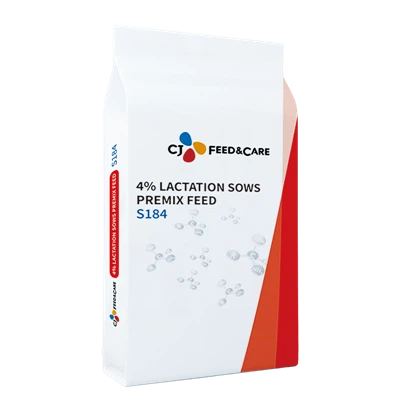
Antioxidants play a crucial role in dairy cow feed, impacting the health, productivity, and overall well - being of dairy cows. As a dairy cow feed supplier, I have witnessed firsthand the positive effects that antioxidants can bring to the dairy industry. In this blog, I will delve into the various roles of antioxidants in dairy cow feed and how they contribute to the success of dairy farming.
1. Protection Against Oxidative Stress
Oxidative stress occurs when there is an imbalance between the production of reactive oxygen species (ROS) and the body's antioxidant defense mechanisms. Dairy cows are particularly susceptible to oxidative stress during different stages of their production cycle, such as calving, lactation, and periods of high - intensity milk production. ROS can damage cells, proteins, and DNA, leading to reduced immune function, increased susceptibility to diseases, and decreased milk production.
Antioxidants in dairy cow feed act as scavengers of ROS, neutralizing them before they can cause damage. For example, vitamin E is a well - known antioxidant that protects cell membranes from lipid peroxidation. When included in the diet of dairy cows, vitamin E helps maintain the integrity of cell membranes, which is essential for proper immune function and cell signaling. Another important antioxidant is selenium, which is a component of the enzyme glutathione peroxidase. This enzyme plays a key role in reducing hydrogen peroxide and lipid hydroperoxides, thereby protecting cells from oxidative damage.
2. Enhancement of Immune Function
A strong immune system is vital for dairy cows to resist diseases and maintain good health. Antioxidants contribute significantly to the enhancement of immune function in dairy cows. By reducing oxidative stress, antioxidants help immune cells function more effectively. For instance, vitamin C is an antioxidant that can modulate the immune response by enhancing the production and activity of white blood cells, such as lymphocytes and phagocytes. These cells are responsible for identifying and destroying pathogens in the body.
In addition, antioxidants can also reduce inflammation, which is often associated with oxidative stress. Chronic inflammation can suppress the immune system and lead to various health problems in dairy cows. Antioxidants like beta - carotene have anti - inflammatory properties, which can help alleviate inflammation and support the immune system. By including antioxidants in dairy cow feed, we can help cows better defend themselves against infections, such as mastitis, metritis, and respiratory diseases, which are common in dairy herds.
3. Improvement of Reproductive Performance
Reproductive performance is a critical aspect of dairy farming. Antioxidants play an important role in improving the reproductive performance of dairy cows. Oxidative stress can have a negative impact on oocyte quality, embryo development, and pregnancy maintenance. Antioxidants can protect the reproductive cells from oxidative damage, thereby improving the chances of successful fertilization and pregnancy.
For example, vitamin E has been shown to improve the quality of oocytes in dairy cows. It helps maintain the integrity of the oocyte membrane and reduces the production of ROS during oocyte maturation. Selenium also plays a role in reproductive function by influencing the synthesis of prostaglandins, which are important for uterine contractions and the regulation of the estrous cycle. By ensuring that dairy cows receive an adequate supply of antioxidants in their feed, we can help improve their reproductive efficiency, leading to higher pregnancy rates and shorter calving intervals.
4. Maintenance of Milk Quality
Milk quality is of great importance to dairy farmers and consumers. Antioxidants in dairy cow feed can have a positive impact on milk quality. Oxidative processes can lead to the development of off - flavors and odors in milk, as well as the degradation of milk components, such as proteins and fats. Antioxidants can prevent or slow down these oxidative processes, thereby maintaining the sensory and nutritional quality of milk.
For example, vitamin E can prevent the oxidation of milk fat, which can result in the development of rancid flavors. By including vitamin E in dairy cow feed, we can extend the shelf - life of milk and improve its overall quality. Additionally, antioxidants can also protect milk proteins from oxidation, which is important for maintaining the functional properties of milk, such as its ability to form curds in cheese - making.
5. Adaptation to Different Dietary and Environmental Conditions
Dairy cows are often exposed to different dietary and environmental conditions that can increase oxidative stress. For example, high - grain diets, which are commonly fed to dairy cows to increase milk production, can lead to the production of more ROS in the rumen. Environmental stressors, such as heat stress, cold stress, and poor air quality, can also increase oxidative stress in dairy cows.
Antioxidants in dairy cow feed can help cows adapt to these challenging conditions. They can provide additional protection against oxidative stress caused by dietary and environmental factors. For example, in heat - stressed cows, antioxidants can help reduce the damage caused by heat - induced oxidative stress, such as the damage to cells in the udder and the decrease in milk production. By formulating dairy cow feed with appropriate antioxidants, we can help cows better tolerate different dietary and environmental conditions, which is essential for their long - term health and productivity.
Our Dairy Cow Feed Products with Antioxidants
As a dairy cow feed supplier, we offer a range of high - quality feed products that are fortified with antioxidants to meet the specific needs of dairy cows at different stages of their production cycle. Our Complete Feed for Gestation Dairy Cow is specially formulated to provide pregnant cows with the necessary nutrients, including antioxidants, to support the healthy development of the fetus and maintain the health of the mother. This feed contains a balanced combination of vitamins, minerals, and other antioxidants, such as vitamin E, selenium, and beta - carotene, to reduce oxidative stress and enhance immune function during pregnancy.


Our Concentrate Feed for Grower Cow is designed for young growing cows. It is rich in antioxidants to support their rapid growth and development. The antioxidants in this feed help protect the developing tissues and organs from oxidative damage, ensuring that the cows grow into healthy and productive adults.
For lactating cows, our Dairy Cow Lactation Concentrate Feed is formulated to meet the high nutritional demands of milk production. It contains antioxidants that help maintain milk quality and quantity. By providing lactating cows with an adequate supply of antioxidants, we can help them produce high - quality milk throughout the lactation period.
Conclusion
In conclusion, antioxidants play multiple important roles in dairy cow feed. They protect against oxidative stress, enhance immune function, improve reproductive performance, maintain milk quality, and help cows adapt to different dietary and environmental conditions. As a dairy cow feed supplier, we are committed to providing high - quality feed products that are rich in antioxidants to support the health and productivity of dairy cows.
If you are a dairy farmer looking to improve the health and performance of your cows, we invite you to contact us for more information about our dairy cow feed products. We are happy to discuss your specific needs and provide you with the best feed solutions for your herd.
References
- Spears, J. W. (2000). Role of antioxidant nutrients in reproduction of dairy cows. Journal of Dairy Science, 83(10), 2266 - 2274.
- Sordillo, L. M., & Aitken, S. L. (2009). Oxidative stress and disease in dairy cattle. Veterinary Immunology and Immunopathology, 128(1 - 2), 104 - 114.
- Weiss, W. P. (2003). Effects of oxidative stress on health and production of dairy cattle. Journal of Dairy Science, 86(12), 4073 - 4084.