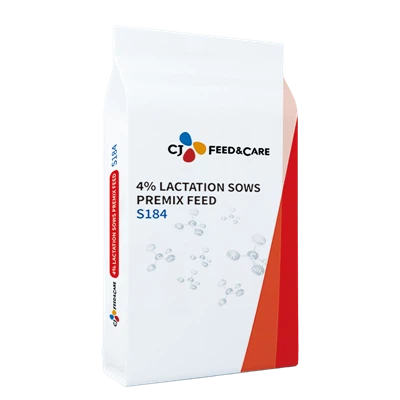
As a dedicated supplier of gestation feed for pigs, I've had the privilege of delving deep into the intricacies of what makes the perfect diet for pregnant sows. The health and well - being of gestating pigs not only affect their own vitality but also have a profound impact on the quality and quantity of their offspring. In this blog, I'll share the main ingredients that are crucial in gestation feed for pigs.


Energy Sources
Energy is the cornerstone of a pig's diet during gestation. Pregnant sows need a sufficient amount of energy to support their own maintenance, the growth and development of the fetuses, and the preparation for lactation. The two primary energy sources in gestation feed are carbohydrates and fats.
Carbohydrates
Carbohydrates are the most common energy source in pig feed. Grains such as corn, barley, and wheat are rich in starch, a complex carbohydrate that can be easily broken down by pigs into glucose, which provides energy. Corn, in particular, is a staple in pig feed due to its high energy content and relatively low cost. It contains about 70 - 75% starch, which is readily digestible by pigs. Barley is another good option as it has a good balance of fiber and energy. It can help maintain the digestive health of the sow while providing energy. Wheat, although more expensive than corn in some regions, is also a valuable source of carbohydrates and protein.
Fats
Fats are a concentrated source of energy, providing more than twice the energy per unit weight compared to carbohydrates. They also play an important role in the absorption of fat - soluble vitamins (A, D, E, and K). Vegetable oils such as soybean oil and canola oil are often added to gestation feed. These oils are rich in unsaturated fatty acids, which are beneficial for the sow's health and the development of the fetuses. For example, omega - 3 and omega - 6 fatty acids are important for the proper development of the piglets' nervous systems. Adding a small amount of fat (around 2 - 5% of the diet) can significantly increase the energy density of the feed, especially during the later stages of gestation when the sow's energy requirements are higher.
Protein Sources
Protein is essential for the growth and repair of tissues, the production of enzymes and hormones, and the development of the fetuses. There are both plant - based and animal - based protein sources used in gestation feed for pigs.
Plant - Based Protein
Soybean meal is the most widely used plant - based protein source in pig feed. It has a high protein content (around 44 - 48%) and a good amino acid profile, which means it contains all the essential amino acids that pigs need in the right proportions. Other plant - based protein sources include cottonseed meal, sunflower meal, and canola meal. However, these may have some limitations. For example, cottonseed meal contains gossypol, which can be toxic to pigs in high concentrations, so it needs to be used in limited amounts.
Animal - Based Protein
Fish meal is a high - quality animal - based protein source. It has an excellent amino acid profile and is rich in essential fatty acids, vitamins, and minerals. However, due to its high cost and limited availability, it is not as commonly used as soybean meal. Other animal - based protein sources such as meat and bone meal were previously used, but their use has been restricted in many countries due to concerns about disease transmission, such as bovine spongiform encephalopathy (BSE).
Vitamins and Minerals
Vitamins and minerals are essential for the proper functioning of the sow's body and the development of the fetuses. They are required in small amounts but play a crucial role in many physiological processes.
Vitamins
Vitamins can be divided into two categories: fat - soluble vitamins (A, D, E, and K) and water - soluble vitamins (B - complex vitamins and vitamin C). Vitamin A is important for vision, immune function, and the development of the fetuses. Vitamin D is necessary for calcium and phosphorus metabolism, which is crucial for bone development. Vitamin E is an antioxidant that helps protect cells from damage. Vitamin K is involved in blood clotting. The B - complex vitamins, such as thiamine, riboflavin, niacin, and pantothenic acid, are involved in energy metabolism. Vitamin C is an antioxidant and is also important for the immune system.
Minerals
Minerals are also classified into two groups: macro - minerals (calcium, phosphorus, sodium, chloride, potassium, magnesium, and sulfur) and micro - minerals (iron, zinc, copper, manganese, iodine, selenium, and cobalt). Calcium and phosphorus are essential for bone development and maintenance. A proper calcium - to - phosphorus ratio (around 1.5:1 to 2:1) is important in gestation feed. Sodium and chloride are important for maintaining the body's fluid balance. Iron is necessary for the production of hemoglobin, which transports oxygen in the blood. Zinc is involved in many enzymatic reactions and is important for the immune system and skin health.
Fiber Sources
Fiber plays an important role in the digestive health of pregnant sows. It can help prevent constipation, which is a common problem in gestating pigs. It also provides a feeling of satiety, which can help control the sow's feed intake.
Insoluble Fiber
Insoluble fiber sources such as wheat bran, rice hulls, and beet pulp are commonly used in gestation feed. Wheat bran is a by - product of the wheat milling process and is rich in insoluble fiber. It can increase the bulk of the feed and promote normal bowel movements. Rice hulls are another inexpensive source of insoluble fiber. However, they have a low nutrient content and need to be used in moderation. Beet pulp is a by - product of the sugar beet industry and is a good source of both soluble and insoluble fiber. It can improve the digestibility of the feed and has a positive effect on the gut microbiota.
Soluble Fiber
Soluble fiber sources such as pectin and guar gum can also be added to gestation feed. Soluble fiber can form a gel - like substance in the gut, which can slow down the digestion and absorption of nutrients, leading to a more steady release of energy. It can also help maintain the health of the gut lining and reduce the risk of diarrhea.
Specialized Ingredients
In addition to the basic ingredients mentioned above, there are some specialized ingredients that can be added to gestation feed to improve the health and performance of pregnant sows.
Probiotics
Probiotics are live microorganisms that can provide health benefits when consumed in adequate amounts. They can help maintain a healthy gut microbiota, improve digestion, and enhance the immune system. Lactobacillus and Bifidobacterium are common probiotic strains used in pig feed. Adding probiotics to gestation feed can reduce the incidence of digestive disorders and improve the overall health of the sow and the piglets.
Prebiotics
Prebiotics are non - digestible food ingredients that stimulate the growth and activity of beneficial bacteria in the gut. They can act as a food source for probiotics. Examples of prebiotics include inulin and fructooligosaccharides (FOS). By promoting the growth of beneficial bacteria, prebiotics can improve the gut environment and enhance the sow's health.
Phytogenic Feed Additives
Phytogenic feed additives are plant - derived substances that can have various beneficial effects on pigs. They can have antioxidant, antimicrobial, and anti - inflammatory properties. Herbs and spices such as oregano, thyme, and garlic are often used as phytogenic feed additives. They can improve the palatability of the feed and also have positive effects on the sow's health and the quality of the piglets.
In conclusion, the main ingredients in gestation feed for pigs are carefully selected to meet the specific nutritional needs of pregnant sows. A balanced diet that includes the right combination of energy sources, protein sources, vitamins, minerals, fiber, and specialized ingredients is essential for the health of the sow and the successful development of the piglets.
If you are in the market for high - quality gestation feed for pigs, or if you are interested in our Gilts Feed, 4% Piglet Premix Feed, or Alternative Milk for Piglets, please feel free to reach out to us for a detailed discussion on your specific requirements. We are committed to providing the best feed solutions to ensure the optimal health and performance of your pigs.
References
- NRC (National Research Council). (2012). Nutrient Requirements of Swine. 11th Edition.
- Lewis, A. J., & Southern, L. L. (2001). Swine Nutrition. CRC Press.
- de Lange, C. F. M., et al. (2010). Swine Nutrition and Feed Technology. Wageningen Academic Publishers.