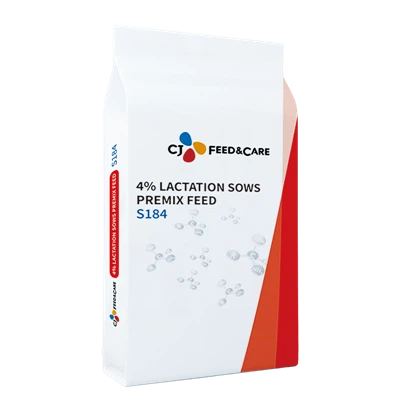
The swine industry is a significant sector in global agriculture, and the quality of swine feed plays a pivotal role in the health, growth, and productivity of pigs. As a swine feed supplier, I've witnessed firsthand the importance of providing high - quality feed. In this blog, I'll delve into the long - term effects of using low - quality swine feed.
1. Growth and Development
One of the most noticeable long - term effects of low - quality swine feed is stunted growth. Pigs require a balanced diet rich in protein, carbohydrates, fats, vitamins, and minerals to grow properly. Low - quality feed often lacks essential nutrients or has an improper balance of them. For instance, insufficient protein can limit muscle development. Protein is the building block of the body, and without an adequate supply, pigs will not be able to grow at a normal rate.
Over time, pigs on low - quality feed may remain smaller than their counterparts on high - quality diets. This not only affects their market value but also their overall well - being. They may have weaker immune systems due to poor growth, making them more susceptible to diseases. Moreover, the lack of proper nutrients can lead to skeletal problems. Calcium and phosphorus are crucial for bone development. If the feed does not provide the right amounts of these minerals, pigs may develop weak bones, which can cause lameness and other mobility issues as they age.


2. Reproductive Performance
Low - quality swine feed can have a profound impact on the reproductive performance of sows. During gestation, sows need a well - balanced diet to support the growth and development of their fetuses. Using low - quality Gestation Feed for Pigs can lead to a variety of problems.
Sows may experience reduced fertility rates. They may have difficulty conceiving, or there may be a higher rate of early embryonic death. This can result in fewer litters per sow over her lifetime, which is a significant economic loss for pig farmers. Additionally, the quality of the colostrum, the first milk produced by the sow, can be affected. Colostrum is rich in antibodies and nutrients that are essential for the survival and health of the piglets. If the sow's diet is poor, the colostrum may be of lower quality, leaving the piglets more vulnerable to diseases in their early days.
In boars, low - quality feed can also have a negative impact on their reproductive function. It can lead to reduced sperm quality and quantity, which can affect the fertilization rate of the sows they mate with.
3. Immune System Function
The immune system of pigs is closely linked to their diet. Low - quality swine feed can weaken the immune system over the long term. Nutrients such as vitamins A, C, and E, as well as zinc and selenium, play important roles in immune function. When pigs are fed a diet lacking in these nutrients, their immune cells may not function properly.
This makes them more prone to infections. Pigs on low - quality feed may suffer from more frequent respiratory diseases, such as pneumonia, and digestive disorders, like diarrhea. These diseases not only cause discomfort to the pigs but also result in increased veterinary costs for the farmers. Moreover, sick pigs may have reduced feed intake and growth rates, further exacerbating the economic losses associated with using low - quality feed.
4. Meat Quality
The quality of the meat produced from pigs fed low - quality feed is also affected. Pigs on a poor diet may have a higher fat - to - lean ratio. This is because when the feed does not provide enough protein for muscle growth, the body may store more energy as fat. The meat from these pigs may be less tender and have a different flavor profile, which can make it less appealing to consumers.
In addition, the nutritional value of the meat may be lower. High - quality feed can contribute to the deposition of beneficial nutrients in the meat, such as omega - 3 fatty acids and certain vitamins. Low - quality feed fails to support this process, resulting in meat that is less nutritious.
5. Economic Impact on Farmers
All of the above - mentioned long - term effects of low - quality swine feed translate into significant economic losses for pig farmers. Stunted growth means that pigs take longer to reach market weight, which increases the cost of production. Fewer litters per sow and reduced reproductive performance lead to a lower number of piglets available for sale. Higher veterinary costs due to increased disease incidence also add to the financial burden.
Moreover, the lower quality of the meat may result in lower prices at the market. Farmers may find it more difficult to sell their pigs at a competitive price, which can have a long - term impact on the profitability of their operations.
6. Our High - Quality Swine Feed Solutions
As a swine feed supplier, we understand the importance of providing high - quality feed to ensure the optimal health and productivity of pigs. Our Hog Grower Feed is formulated with the right balance of nutrients to support rapid and healthy growth. It contains high - quality proteins, essential vitamins, and minerals to promote muscle development and strong bones.
For sows, our Gestation Feed for Pigs is designed to meet the specific nutritional needs during pregnancy. It helps to ensure the proper development of the fetuses and the production of high - quality colostrum. And our Finisher Feeds for Pigs are tailored to enhance the meat quality of the pigs as they approach market weight, resulting in leaner, more flavorful, and nutritious meat.
7. Why Choose Our Feed
We source the best ingredients for our feeds and use advanced manufacturing processes to ensure consistent quality. Our team of experts constantly monitors and adjusts the feed formulations based on the latest research in swine nutrition. By choosing our feed, farmers can avoid the long - term negative effects associated with low - quality feed and improve the overall performance of their swine herds.
Conclusion
Using low - quality swine feed can have far - reaching and detrimental long - term effects on pigs, including stunted growth, poor reproductive performance, weakened immune systems, and lower meat quality. These effects not only harm the well - being of the animals but also cause significant economic losses for pig farmers.
As a swine feed supplier, we are committed to providing high - quality feed solutions that meet the nutritional needs of pigs at every stage of their lives. If you are a pig farmer looking to improve the health and productivity of your swine herd, we invite you to contact us for more information about our products and to discuss your specific feed requirements. We look forward to partnering with you to achieve success in the swine industry.
References
- National Research Council. (2012). Nutrient Requirements of Swine. The National Academies Press.
- Pluske, J. R., et al. (2018). Swine Nutrition. Elsevier.
- Campbell, R. G., & Taverner, M. R. (2019). Pig Production Science. CABI.