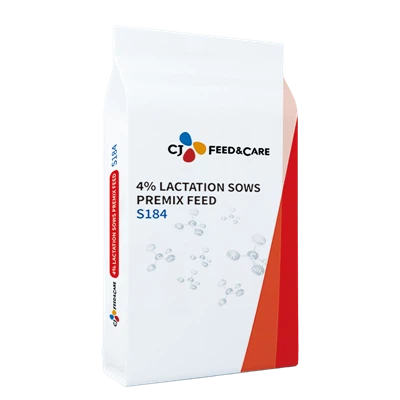
As a supplier of 4% Piglet Premix Feed, I understand the importance of proper feeding methods, especially during the winter months. Cold weather can significantly impact piglet health and growth, and the right feeding approach can make a big difference. In this blog, I'll share some effective feeding methods for 4% Piglet Premix Feed in winter to ensure the well - being and development of your piglets.
Understanding the Nutritional Needs of Piglets in Winter
Winter brings lower temperatures, which means piglets need more energy to maintain their body heat. Our 4% Piglet Premix Feed is formulated to meet these increased energy demands. It contains a balanced blend of vitamins, minerals, amino acids, and other essential nutrients. The premix is designed to enhance the piglets' immune system, improve digestion, and promote healthy growth, all of which are crucial during the cold winter months.
Feeding Frequency
In winter, piglets have a higher metabolic rate to keep warm. Therefore, increasing the feeding frequency can be beneficial. Instead of the regular two or three times a day, consider feeding them four to five times a day. This more frequent feeding schedule helps maintain a stable blood sugar level and provides a continuous supply of energy to combat the cold. Smaller, more frequent meals are also easier for piglets to digest, reducing the risk of digestive problems.
Adjusting the Feed Quantity
Due to the increased energy requirements in winter, you may need to adjust the quantity of the 4% Piglet Premix Feed. Monitor the piglets' body condition regularly. If they seem to be losing weight or appear less active, it could be a sign that they need more feed. As a general rule, you can increase the feed amount by about 10 - 15% compared to the summer months. However, be careful not to overfeed, as this can lead to obesity and other health issues.
Mixing the Premix Correctly
Proper mixing of the 4% Piglet Premix Feed is essential for ensuring that piglets receive all the necessary nutrients. First, make sure you are using high - quality base feed. Mix the premix thoroughly with the base feed according to the recommended ratio, which is usually 4 parts of the premix to 96 parts of the base feed. You can use a feed mixer for a more even distribution. Uneven mixing can result in some piglets getting too much or too little of certain nutrients, which can affect their growth and health.
Providing Warm Water
In addition to proper feed, access to warm water is crucial for piglets in winter. Cold water can lower their body temperature and reduce their feed intake. Keep the water temperature at around 20 - 25°C. You can use water heaters or insulate the water troughs to maintain the appropriate temperature. Make sure the water is clean and fresh at all times, as piglets need an adequate water supply for digestion and overall health.
Combining with Other Feed Types
To further meet the nutritional needs of piglets in winter, you can consider combining our 4% Piglet Premix Feed with other suitable feed types. For example, Lactating Sow Premix Feed can be used in combination with the piglet premix in some cases. It can provide additional nutrients and energy. Another option is Piglet Starter Feed Super 2, which is specifically formulated to support the early growth of piglets. Piglet Starter Concentrated Feed can also be a good addition, providing a concentrated source of nutrients.
Monitoring Piglet Health
During the winter feeding period, closely monitor the health of the piglets. Look for signs of illness, such as coughing, sneezing, diarrhea, or reduced appetite. If you notice any abnormal symptoms, consult a veterinarian immediately. Regular health checks can help detect and address problems early, preventing them from becoming more serious and affecting the entire piglet herd.
Creating a Comfortable Feeding Environment
A comfortable feeding environment is also important in winter. Ensure that the pigsty is well - insulated and draft - free. The temperature in the pigsty should be maintained at around 25 - 30°C for newborn piglets and gradually reduced as they grow older. A warm and dry environment encourages piglets to eat and reduces the energy they need to spend on keeping warm.
Tips for Feed Storage
Proper feed storage is crucial to maintain the quality of the 4% Piglet Premix Feed. Store the feed in a cool, dry place, away from direct sunlight and moisture. Use sealed containers to prevent the entry of pests and contaminants. Check the feed regularly for signs of spoilage, such as mold or an unusual odor. If you find any spoiled feed, discard it immediately to avoid feeding it to the piglets.
Conclusion
Feeding 4% Piglet Premix Feed to piglets in winter requires careful consideration of their nutritional needs, feeding frequency, feed quantity, and the overall feeding environment. By following these feeding methods, you can ensure that your piglets stay healthy and grow well during the cold months.


If you are interested in our 4% Piglet Premix Feed or have any questions about piglet feeding in winter, please feel free to contact us for more information and to start a procurement negotiation. We are committed to providing high - quality feed products and excellent service to meet your needs.
References
- National Research Council. (2012). Nutrient Requirements of Swine. The National Academies Press.
- McGlone, J. J., & Pond, W. G. (2003). Swine Nutrition. CRC Press.