Hey there, fellow dairy farmers! I'm a supplier of dairy cow feed, and I've seen firsthand the challenges and questions you face when it comes to feeding your cows. One issue that often comes up is overfeeding. You might think, "More feed means more milk, right?" Well, it's not that simple. In this blog, I'll dive into the effects of overfeeding dairy cows and why it's crucial to get the balance right.
Let's start with the obvious - what is overfeeding? Overfeeding occurs when cows consume more feed than their bodies need for maintenance, growth, and milk production. It can happen for various reasons, like trying to boost milk yield quickly or not accurately measuring feed rations. As a feed supplier, I've had farmers come to me saying they've been piling on the feed, hoping for better results, but sometimes, it backfires.


One of the immediate effects of overfeeding is digestive problems. Dairy cows have a complex digestive system designed to break down a specific amount and type of feed. When they're overfed, especially with high - energy feeds, it can disrupt the delicate balance in their rumen. The rumen is like a fermentation vat where billions of microbes help break down feed. Overfeeding can lead to an overgrowth of certain bacteria, causing acidosis. Acidosis is a condition where the pH in the rumen drops too low, which can be extremely painful for the cows. They may show signs like reduced feed intake, diarrhea, and even lameness. It's a real mess, and it can seriously affect the cow's overall health and productivity.
Another consequence of overfeeding is weight gain. Just like in humans, when cows consume more calories than they burn, they put on extra weight. While a certain amount of body condition is good for cows, excessive weight gain can lead to a host of problems. Fat cows are more prone to metabolic disorders during the transition period, which is the time around calving. They may have a harder time getting pregnant again, and their milk production can actually decline in the long run. You might think that a chubby cow is a healthy cow, but in the dairy world, that's not always the case.
Now, let's talk about the economic side of things. Overfeeding is a waste of money. As a feed supplier, I know how much feed costs. When you're overfeeding your cows, you're spending more on feed than necessary, and you're not getting a proportional increase in milk production. In fact, due to the health problems caused by overfeeding, you might end up spending even more on veterinary bills. It's a lose - lose situation. You could be using that money to invest in other aspects of your farm, like better housing or new equipment.
So, what can you do to avoid overfeeding? First of all, it's important to have a proper feeding plan. Work with a nutritionist to determine the right amount and type of feed for your cows based on their age, weight, milk production, and stage of lactation. As a feed supplier, I can recommend some great products that are formulated to meet the specific needs of dairy cows. For example, our Premix For Dairy Cows is a balanced blend of vitamins, minerals, and other essential nutrients that can help ensure your cows are getting everything they need without overfeeding.
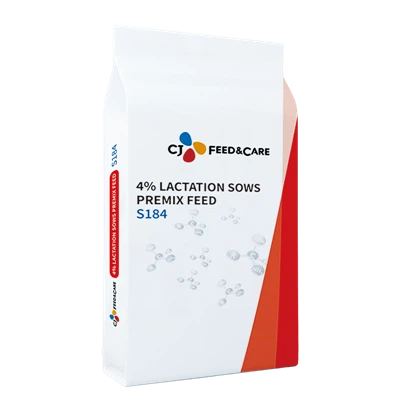
If you have lactating cows, our Premix Feed for Lactation Dairy Cow is specifically designed to support high - quality milk production. It provides the right balance of energy, protein, and other nutrients to keep your cows healthy and productive without going overboard.
And for your calves, our Complete Calf Feed is a great option. Calves have different nutritional requirements than adult cows, and this feed is formulated to support their growth and development. Feeding them the right amount of this high - quality feed from the start can set them up for a healthy and productive life as dairy cows.
In addition to using the right feed products, it's also important to monitor your cows closely. Keep an eye on their body condition, milk production, and behavior. If you notice any changes, it could be a sign that something is wrong with their feeding regime. Adjust the feed rations as needed to keep your cows in the best possible condition.
As a feed supplier, I'm here to help you make the most of your feed investment. Overfeeding is a common mistake, but it's one that can be easily avoided with the right knowledge and products. If you're interested in learning more about our dairy cow feed products or need advice on feeding your cows, don't hesitate to reach out. Let's work together to keep your cows healthy, productive, and your farm profitable.
In conclusion, overfeeding dairy cows has far - reaching effects on their health, productivity, and your bottom line. It's essential to find the right balance in feeding. By using high - quality feeds like our Premix For Dairy Cows, Premix Feed for Lactation Dairy Cow, and Complete Calf Feed, and by closely monitoring your cows, you can avoid the pitfalls of overfeeding. If you have any questions or want to discuss your specific feeding needs, feel free to contact me. Let's have a chat and see how we can optimize your dairy cow feeding program.
References
- National Research Council. (2001). Nutrient Requirements of Dairy Cattle. Washington, DC: The National Academies Press.
- Oetzel, G. R. (2004). Strategies for controlling subacute ruminal acidosis in dairy cattle. Journal of Dairy Science, 87(E. Suppl.), E10 - E17.