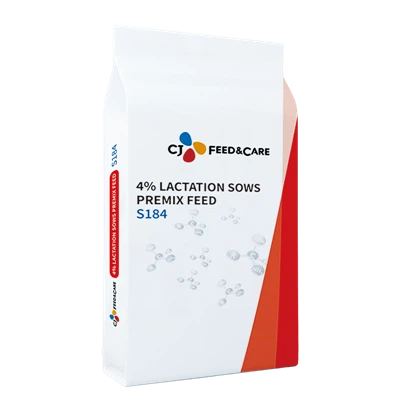
As a supplier of premix feed for dry cows, I've always been passionate about providing high - quality products to dairy farmers. However, it's essential to have an open and honest conversation about all aspects of the products we offer, including their disadvantages. In this blog, I'll delve into the potential drawbacks of using premix feed for dry cows.
Nutritional Imbalance Risks
One of the primary concerns with premix feed for dry cows is the risk of nutritional imbalance. Premix feeds are formulated to provide a specific set of nutrients in a concentrated form. While this can be beneficial in ensuring that cows receive certain essential vitamins and minerals, it can also lead to over - or under - supplementation.
For example, if the premix is not properly formulated or if the farmer does not accurately calculate the amount to be added to the basal diet, cows may end up getting too much of certain nutrients. Excessive intake of minerals such as selenium or copper can be toxic to cows. Selenium toxicity can cause a range of health problems, including hair loss, hoof deformities, and reduced fertility [1]. On the other hand, under - supplementation of key nutrients like calcium or phosphorus can lead to metabolic disorders such as milk fever, which is a serious condition that can affect the cow's health and productivity during the transition from the dry period to lactation [2].
Cost Considerations
Another significant disadvantage of using premix feed for dry cows is the cost. Premix feeds are often more expensive than traditional feed ingredients. This is because they are highly processed and contain a concentrated blend of nutrients. For small - scale dairy farmers or those operating on a tight budget, the additional cost of premix feed can be a significant burden.
Moreover, the cost - effectiveness of premix feed depends on the quality of the basal diet. If the basal diet already contains a sufficient amount of certain nutrients, adding a premix that includes those same nutrients can be a waste of money. For instance, if the forage in the basal diet is rich in vitamins, adding a premix with a high vitamin content may not provide any additional benefits but will increase the overall feed cost [3].
Dependency on Suppliers
Using premix feed for dry cows also creates a certain level of dependency on suppliers. Dairy farmers need to rely on the supplier to provide a consistent and high - quality product. Any issues with the supplier, such as production delays, quality control problems, or changes in the formulation, can have a direct impact on the cows' health and performance.
For example, if the supplier changes the formulation of the premix without proper communication, it can disrupt the nutritional balance of the cows' diet. Additionally, if there are production delays, farmers may run out of premix feed, which can lead to inconsistent feeding and potential health problems for the cows. This dependency can be a source of stress for farmers, especially during critical periods such as the dry period and early lactation [4].
Digestibility Challenges
Premix feeds may also pose challenges in terms of digestibility. Some of the ingredients used in premix feeds, especially those in a highly concentrated form, may not be as easily digestible as traditional feed ingredients. This can lead to reduced feed efficiency and potential digestive problems in dry cows.
For instance, certain types of synthetic amino acids or micronutrients in the premix may not be absorbed as efficiently as their natural counterparts. This can result in a lower utilization of the nutrients by the cows, leading to increased nutrient excretion in the manure. Digestive problems such as rumen acidosis can also occur if the premix feed disrupts the normal fermentation process in the rumen [5].


Limited Flexibility in Diet Formulation
When using premix feed for dry cows, there is limited flexibility in diet formulation. Premix feeds are designed to be used with a specific basal diet, and any significant changes in the basal diet may require adjustments to the premix. This can be a challenge for farmers who want to make use of locally available feed ingredients or who need to adapt the diet based on the cows' specific needs.
For example, if a farmer has access to a new type of forage that is rich in certain nutrients, it may be difficult to incorporate it into the diet without consulting the premix supplier. This lack of flexibility can limit the farmer's ability to optimize the diet for the cows' health and productivity [6].
Environmental Impact
The production and use of premix feed for dry cows can also have an environmental impact. The processing of premix feeds often requires a significant amount of energy and resources. Additionally, the transportation of premix feeds from the supplier to the farm contributes to greenhouse gas emissions.
Moreover, as mentioned earlier, the potential for nutritional imbalance in premix - fed cows can lead to increased nutrient excretion in the manure. This can contribute to environmental pollution, especially if the manure is not properly managed. Excess nutrients such as nitrogen and phosphorus can leach into water bodies, causing eutrophication and other environmental problems [7].
Conclusion
While premix feed for dry cows has its advantages, such as providing a convenient way to deliver essential nutrients, it also comes with several disadvantages. These include the risk of nutritional imbalance, high cost, dependency on suppliers, digestibility challenges, limited flexibility in diet formulation, and environmental impact.
However, it's important to note that these disadvantages can be mitigated with proper management and planning. Dairy farmers should work closely with their suppliers to ensure a consistent and appropriate diet for their dry cows. They should also consider the quality of the basal diet and the specific needs of their cows when deciding whether to use premix feed.
If you're a dairy farmer interested in learning more about our premix feed for dry cows or discussing how we can work together to optimize your cows' diet, please feel free to reach out. We're committed to providing the best possible solutions for your dairy operation.
References
[1] Spears, J. W. (2000). Mineral tolerance of ruminants. Journal of Animal Science, 78(12), 3041 - 3057.
[2] Horst, R. L., Jorgensen, R. N., & Baird, A. N. (2005). Biology of calcium regulation in the transition dairy cow. Journal of Dairy Science, 88(12), E55 - E63.
[3] NRC (National Research Council). (2001). Nutrient Requirements of Dairy Cattle. Washington, DC: The National Academies Press.
[4] Oltjen, J. W., & Beckett, J. S. (1996). Feeding dairy cows for maximum profit. Journal of Dairy Science, 79(11), 2033 - 2043.
[5] Krause, D. O., & Oetzel, G. R. (2006). Strategies for preventing subacute ruminal acidosis in dairy cows. Journal of Dairy Science, 89(4), 1298 - 1306.
[6] Van Soest, P. J. (1994). Nutritional Ecology of the Ruminant. Ithaca, NY: Cornell University Press.
[7] Rotz, C. A., & Cabrera, M. L. (2003). Nutrient management for dairy farms: Balancing agronomic and environmental goals. Journal of Dairy Science, 86(12), 3944 - 3955.