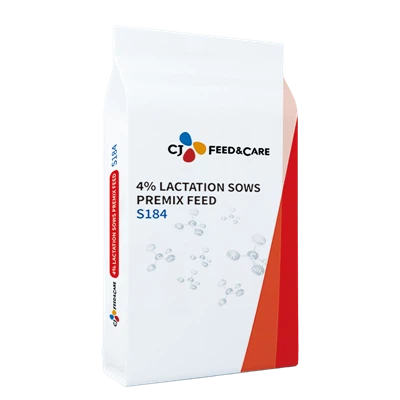
As a swine feed supplier deeply entrenched in the industry, I've witnessed firsthand the ongoing debate surrounding domestic and imported swine feed. In this blog, I'll delve into the key differences between these two types of feeds, exploring their composition, quality, cost, and more. By the end, you'll have a clearer understanding of which option might be best for your swine operation.
Composition
One of the most significant differences between domestic and imported swine feed lies in their composition. Domestic swine feeds are typically formulated to meet the specific nutritional requirements of local pig breeds and farming conditions. This means they often contain ingredients that are readily available in the region, such as grains, oilseeds, and by - products from local industries.
On the other hand, imported swine feeds may be formulated with a more global perspective. They might incorporate high - quality ingredients sourced from different parts of the world, which could include specialty grains, premium protein sources, and unique additives. For example, some imported feeds may contain fishmeal from the coasts of South America, which is known for its high - quality protein and essential fatty acids.
In terms of additives, domestic feeds usually include common additives like vitamins, minerals, and antibiotics (where permitted) that are approved for use in the local market. Imported feeds, however, may introduce more advanced or novel additives. Some imported feeds contain probiotics and prebiotics that are specifically designed to improve gut health and enhance the immune system of pigs. These additives can be beneficial in reducing the incidence of diseases and improving overall growth performance.
Quality
Quality is a crucial factor when it comes to swine feed. Domestic swine feed suppliers are subject to local regulations and quality control standards. These standards ensure that the feed is safe, nutritionally balanced, and free from contaminants. In many countries, domestic feed manufacturers have well - established quality control systems in place, from raw material sourcing to the final product packaging.


Imported swine feeds, too, must meet certain international quality standards. However, the perception of quality can vary. Some farmers believe that imported feeds are of higher quality because they are often associated with advanced production technologies and stricter quality control in the exporting countries. For instance, European countries are known for their strict regulations on animal feed production, which may lead farmers in other regions to assume that imported feeds from Europe are of superior quality.
In reality, the quality of both domestic and imported feeds can be excellent. It often depends on the reputation and track record of the feed supplier. As a swine feed supplier, I can attest to the fact that many domestic feed manufacturers are committed to producing high - quality feeds that can rival imported products.
Cost
Cost is a major consideration for swine farmers. Generally, domestic swine feeds tend to be more cost - effective. This is because they are produced locally, which reduces transportation costs and eliminates import duties and taxes. The use of locally sourced ingredients also helps keep the cost down. For small - to medium - sized swine farms, domestic feeds can offer a more budget - friendly option without sacrificing too much in terms of quality.
Imported swine feeds, on the other hand, are usually more expensive. The additional costs associated with importing, such as shipping, customs clearance, and currency exchange, are passed on to the consumer. However, some farmers are willing to pay the premium for imported feeds if they believe that the higher quality and unique nutritional profile will result in better growth rates, improved meat quality, and lower disease incidence in their pigs.
Availability
Availability is another important aspect. Domestic swine feeds are readily available in most local markets. Feed suppliers have established distribution networks that can deliver feeds to farms in a timely manner. This is particularly important for farmers who need to restock their feed supplies regularly. In case of any sudden changes in feed requirements, farmers can easily access domestic feeds from local stores or directly from the feed manufacturers.
Imported swine feeds may face some challenges in terms of availability. There can be delays in shipping, especially if there are issues with customs clearance or disruptions in the supply chain. In addition, the variety of imported feeds may be limited compared to domestic options. As a swine feed supplier, I understand that ensuring a consistent supply of feed is crucial for the smooth operation of swine farms.
Nutritional Adaptability
Domestic swine feeds are often formulated to suit the nutritional needs of local pig breeds. Different pig breeds have different growth rates, body compositions, and nutritional requirements. For example, some local pig breeds may have a higher tolerance for certain types of grains or may require a different balance of nutrients compared to imported breeds. Domestic feed manufacturers take these factors into account when formulating their feeds, which can lead to better nutritional adaptability for local pigs.
Imported feeds, while they may be nutritionally balanced, may not always be perfectly tailored to the specific needs of local pig breeds. However, some imported feed suppliers are starting to recognize this issue and are working on developing feeds that are more adaptable to different regional pig populations.
Environmental Impact
The environmental impact of swine feed is becoming an increasingly important consideration. Domestic swine feeds, which often use locally sourced ingredients, generally have a lower carbon footprint due to reduced transportation distances. Additionally, local feed production can support the local agricultural economy and reduce the reliance on imported resources.
Imported feeds, with their long - distance transportation, contribute more to greenhouse gas emissions. However, some imported feed suppliers are implementing sustainable practices in their production processes, such as using renewable energy sources and reducing waste.
Product Range
As a swine feed supplier, I offer a diverse range of products to meet the different needs of swine farmers. For example, we have Alternative Milk for Piglets, which is a great option for piglets that need a high - quality milk substitute. Our 4% Piglet Premix Feed is designed to provide essential nutrients and additives to support the healthy growth of piglets. And our Piglet Starter Feed Super 2 is a popular choice for farmers looking to give their piglets a strong start.
Conclusion
In conclusion, both domestic and imported swine feeds have their own advantages and disadvantages. Domestic feeds offer cost - effectiveness, local availability, and adaptability to local pig breeds, while imported feeds may provide unique nutritional profiles, perceived higher quality, and advanced additives. As a swine feed supplier, I believe that the choice between domestic and imported feeds should be based on the specific needs and circumstances of each swine farm.
If you're a swine farmer and are interested in learning more about our swine feed products or have any questions about the differences between domestic and imported feeds, I encourage you to reach out to us. We can have a detailed discussion about your farm's requirements and help you make an informed decision on the best feed for your pigs.
References
- National Research Council. (2012). Nutrient Requirements of Swine. 11th Edition. The National Academies Press.
- European Commission. (2023). Regulations on Animal Feed Production. Retrieved from the official EU website.
- Various industry reports on swine feed production and consumption from market research firms.