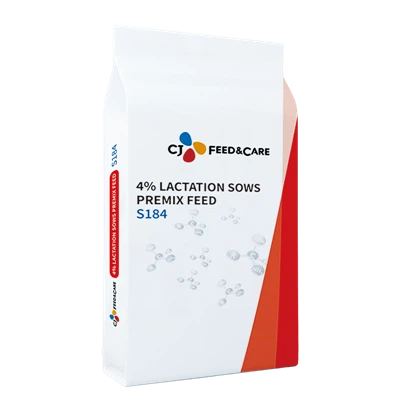
Hey there, fellow pig farmers! As a supplier of Gilts Feed, I've had my fair share of interactions with folks in the industry. I've heard all the good, the bad, and the ugly when it comes to using Gilts Feed. So, I thought I'd share some of the common problems that you might run into and how to tackle them.
1. Nutritional Imbalance
One of the most common issues with Gilts Feed is nutritional imbalance. You see, gilts have specific dietary requirements at different stages of their growth and development. If the feed doesn't have the right mix of proteins, vitamins, minerals, and energy sources, it can lead to all sorts of problems.
For instance, if the protein content is too low, gilts may not develop properly. Their growth can be stunted, and they might have a hard time reaching their full genetic potential. On the flip side, too much protein can put unnecessary stress on their kidneys and lead to other health issues.
Another aspect is the balance of vitamins and minerals. Calcium and phosphorus, for example, need to be in the right ratio for proper bone development. If this ratio is off, gilts can develop skeletal problems, which can be painful and costly to treat.
To avoid nutritional imbalance, it's crucial to choose a high - quality Gilts Feed that is formulated based on the latest research and industry standards. At our company, we work closely with animal nutritionists to ensure that our Gestation Feed for Pigs provides all the essential nutrients in the right proportions.
2. Palatability Issues
Let's face it, if the gilts don't like the taste of the feed, they're not going to eat it. Palatability is a big deal when it comes to getting gilts to consume the right amount of feed. There are several factors that can affect the palatability of Gilts Feed.
One common problem is the use of low - quality ingredients. Some cheaper feeds may contain ingredients that have an unpleasant odor or taste. This can make the feed unappealing to gilts, and they may start to pick and choose what they eat, leading to inconsistent nutrient intake.
Another factor is the processing of the feed. If the feed is not processed correctly, it may have an odd texture that gilts don't like. For example, if the pellets are too hard or too soft, gilts may have difficulty chewing and swallowing them.


To improve palatability, we use high - quality ingredients and state - of - the - art processing techniques. We also conduct regular taste tests to make sure that our Gilts Feed is as appealing as possible to the gilts.
3. Digestibility Problems
Even if the feed has the right nutrients and tastes good, it won't do any good if the gilts can't digest it properly. Digestibility is a key factor in ensuring that gilts can absorb the nutrients from the feed.
Some feeds may contain ingredients that are difficult for gilts to digest. For example, certain types of fiber can be hard on their digestive systems, especially if the gilts are not used to it. This can lead to digestive upsets such as diarrhea or constipation.
Another issue is the presence of anti - nutritional factors in the feed. These are substances that can interfere with the digestion and absorption of nutrients. For example, some grains may contain enzymes that can reduce the availability of certain vitamins and minerals.
To improve digestibility, we carefully select the ingredients in our Gilts Feed and use processing methods that can reduce the presence of anti - nutritional factors. We also include probiotics and other digestive aids in our feed to help gilts break down the feed more effectively.
4. Feed Contamination
Feed contamination is a serious problem that can have a major impact on the health of gilts. There are several ways that feed can get contaminated.
One common source of contamination is mold. Mold can grow on feed if it is stored in a damp or humid environment. Moldy feed can produce toxins that are harmful to gilts. These toxins can cause a variety of health problems, including reduced appetite, poor growth, and even death in severe cases.
Another source of contamination is pests. Rodents and insects can carry diseases and contaminate the feed. They can also eat the feed, which can lead to losses and inconsistent feed availability for the gilts.
To prevent feed contamination, we take strict measures during the production and storage of our feed. We store our feed in clean, dry facilities and use pest control measures to keep rodents and insects away. We also conduct regular quality checks to ensure that our feed is free from contaminants.
5. Inconsistent Feed Quality
Inconsistency in feed quality can be a real headache for pig farmers. If the quality of the feed varies from batch to batch, it can be difficult to manage the gilts' nutrition.
There are several reasons why feed quality can be inconsistent. One reason is the variability of raw materials. The quality of ingredients such as grains and proteins can vary depending on the source, growing conditions, and harvesting methods. If these variations are not properly managed, they can lead to differences in the nutrient content and quality of the feed.
Another factor is the manufacturing process. If the manufacturing equipment is not properly maintained or calibrated, it can lead to inconsistent feed quality. For example, the mixing process may not be uniform, resulting in some parts of the feed having a different nutrient composition than others.
At our company, we have a strict quality control system in place. We source our raw materials from reliable suppliers and conduct thorough testing on each batch of ingredients. Our manufacturing equipment is regularly maintained and calibrated to ensure that every batch of our Boar Premix Feed and Gilts Feed meets the same high standards.
6. Cost - Effectiveness
Cost is always a concern for pig farmers. You want to get the best value for your money when it comes to feeding your gilts. However, choosing the cheapest feed is not always the best option.
Some low - cost feeds may not provide the necessary nutrients for the gilts' health and growth. This can lead to higher veterinary costs, lower productivity, and ultimately, lower profits. On the other hand, some high - end feeds may be more expensive than necessary.
To strike the right balance between cost and quality, we offer a range of Gilts Feed products at different price points. Our goal is to provide you with a feed that meets your gilts' nutritional needs while also being cost - effective.
7. Transitioning Problems
When you switch your gilts from one type of feed to another, it can be a tricky process. Sudden changes in feed can cause digestive upsets and stress for the gilts.
The key to a successful transition is to do it gradually. Start by mixing a small amount of the new feed with the old feed and gradually increase the proportion of the new feed over a period of 7 - 10 days. This allows the gilts' digestive systems to adjust to the new feed.
We also provide our customers with detailed guidelines on how to transition their gilts to our feed. Our team is always available to answer any questions you may have during the transition process.
Conclusion
Using Gilts Feed comes with its fair share of challenges, but with the right knowledge and the right feed, you can overcome these problems. At our company, we're committed to providing high - quality, palatable, and digestible Gilts Feed that meets the needs of your gilts.
If you're facing any of these common problems or if you're just looking for a better feed for your gilts, we'd love to hear from you. Contact us to start a conversation about how our products can benefit your pig farming operation. Let's work together to ensure the health and productivity of your gilts!
References
- National Research Council. (2012). Nutrient Requirements of Swine. The National Academies Press.
- Pig Improvement Company. (2020). Swine Nutrition Guide. Pig Improvement Company.