Hey there! As a dairy cow feed supplier, I've been getting a lot of questions lately about whether molasses is a good addition to dairy cow feed. So, I thought I'd dive into this topic and share my thoughts based on my experience and the latest research.
First off, let's talk about what molasses is. Molasses is a thick, syrupy by - product of the sugar - refining process. It's got a sweet taste and is rich in several nutrients like minerals such as potassium, calcium, and iron, as well as some vitamins and a good amount of carbohydrates.
One of the big advantages of adding molasses to dairy cow feed is palatability. Cows are like us in some ways; they're more likely to eat something that tastes good. Molasses has a sweet flavor that cows really seem to love. When you mix molasses into the feed, it can make the whole mixture more appealing to the cows. This means they're more likely to consume the feed, which is crucial for maintaining their health and productivity. A cow that eats well is more likely to produce more milk, and that's what we're all aiming for in the dairy industry.
Another great thing about molasses is its energy content. The carbohydrates in molasses are a quick source of energy for the cows. Dairy cows need a lot of energy, especially during lactation. The energy from molasses can help support their high metabolic rate and keep them in good physical condition. It can also contribute to better milk production. When cows have enough energy, they can produce milk more efficiently, and the quality of the milk can also improve.
Molasses also has some benefits for the digestive system of dairy cows. It can act as a natural binder in the feed. This means it helps hold the different components of the feed together, making it easier for the cows to eat and digest. Additionally, the sugars in molasses can promote the growth of beneficial bacteria in the rumen. A healthy rumen is essential for proper digestion in cows. These beneficial bacteria break down the feed more effectively, allowing the cows to absorb more nutrients from it.
However, like anything, there are also some potential drawbacks to adding molasses to dairy cow feed. One of the main concerns is the high sugar content. If you add too much molasses, it can lead to an imbalance in the cow's diet. Excessive sugar intake can cause problems such as acidosis in the rumen. Acidosis occurs when the pH in the rumen drops too low, which can disrupt the normal function of the rumen bacteria and lead to digestive issues, reduced feed intake, and even lower milk production.
Another thing to consider is the cost. Molasses can be relatively expensive, especially if you're using high - quality molasses. As a feed supplier, I always have to balance the cost - effectiveness of adding molasses to the feed. You want to make sure that the benefits outweigh the cost. Sometimes, if the price of molasses is too high, it might not be the most economical choice, especially for small - scale dairy farmers.
So, how much molasses should you add to dairy cow feed? Well, there's no one - size - fits - all answer. It depends on several factors, such as the type of feed you're using, the stage of lactation of the cows, and their overall health. Generally, a small amount, say around 2 - 5% of the total feed weight, is a good starting point. You can then adjust the amount based on how the cows respond. If they seem to be doing well and the milk production is increasing, you might be able to keep or slightly increase the amount. But if you notice any digestive problems or other issues, you should reduce the amount of molasses.
Now, let me tell you about some of the products we offer at our company. We have a great Dairy Cow Lactation Concentrate Feed. This feed is specially formulated for lactating cows and can be a great base for adding molasses. It contains all the essential nutrients that lactating cows need, and adding a bit of molasses can make it even more appealing to the cows.
For cows that are in the gestation period, we have the Complete Feed for Gestation Dairy Cow. During pregnancy, cows have different nutritional requirements, and this feed is designed to meet those needs. You can also consider adding a small amount of molasses to this feed to improve palatability and provide some extra energy.
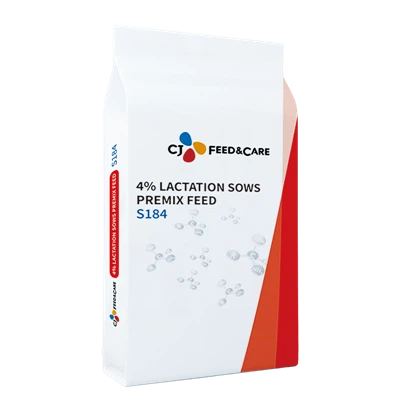
And if you're looking for a more customizable option, our Premix Feed for Lactation Dairy Cow is a great choice. With this premix, you can mix in the right amount of molasses according to your cows' specific needs.
In conclusion, molasses can be a good addition to dairy cow feed, but it's important to use it wisely. It offers benefits in terms of palatability, energy, and digestive health, but you need to be careful about the amount you add to avoid potential problems. As a feed supplier, I'm always here to help you make the best decisions for your cows. If you're interested in learning more about our products or how to incorporate molasses into your cows' diet, don't hesitate to reach out. We can have a detailed discussion about your specific situation and come up with the perfect feed solution for your dairy cows.
References


- National Research Council. (2001). Nutrient Requirements of Dairy Cattle. Washington, DC: The National Academies Press.
- Van Soest, P. J. (1994). Nutritional Ecology of the Ruminant. Cornell University Press.