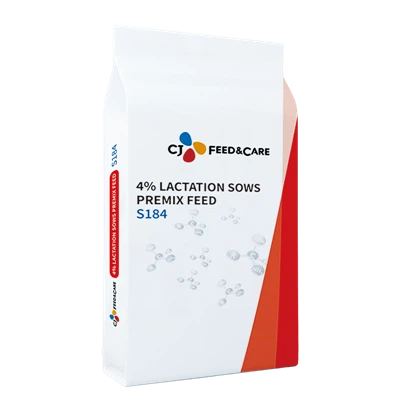
As a cattle fattening feed supplier deeply entrenched in the livestock industry, I often encounter inquiries from farmers and ranchers about the feasibility of custom - made cattle fattening feed. The answer to this question is a resounding yes, and in this blog, I will explore the various aspects of developing such specialized feeds.
Understanding the Need for Custom - Made Feed
The traditional one - size - fits - all approach to cattle feed is becoming less and less viable in today's modern livestock industry. Different breeds of cattle have distinct nutritional requirements. For instance, Angus cattle, known for their marbling and meat quality, may need a diet rich in certain amino acids and fats to enhance these characteristics. On the other hand, Brahman cattle, which are more heat - tolerant and often used in tropical regions, might require a feed that helps them maintain their energy levels under high - temperature conditions.
Moreover, the stage of growth and the intended purpose of the cattle also play a crucial role. Calves in the weaning stage need a feed that supports their rapid growth and development of a healthy digestive system. Finishing cattle, those being prepared for market, require a diet that promotes efficient weight gain and high - quality meat production. Custom - made feeds can be tailored to meet these specific needs at different stages of the cattle's life cycle.


The Science Behind Custom - Made Cattle Fattening Feed
Developing a custom - made cattle fattening feed involves a deep understanding of animal nutrition. The feed must provide the right balance of energy, protein, vitamins, and minerals. Energy is typically derived from carbohydrates and fats. Grains such as corn, barley, and oats are common sources of carbohydrates in cattle feed. Fats, on the other hand, can be added in the form of vegetable oils or animal fats to increase the energy density of the feed.
Protein is essential for muscle development and overall growth. Soybean meal is a widely used protein source in cattle feed due to its high protein content and good amino acid profile. However, other protein sources like cottonseed meal, canola meal, and fish meal can also be incorporated depending on the specific requirements of the cattle.
Vitamins and minerals are required in smaller quantities but are no less important. Calcium and phosphorus are crucial for bone development, while vitamins A, D, and E play vital roles in immune function and overall health. These nutrients can be added to the feed in the form of premixes, which are carefully formulated to ensure the correct dosage.
Ingredients for Custom - Made Feed
When developing a custom - made cattle fattening feed, a wide range of ingredients can be used. In addition to the grains and protein sources mentioned earlier, roughages such as hay and silage are also important components. Roughages provide fiber, which is essential for proper rumen function. The rumen is the largest compartment of the cattle's stomach and is responsible for the fermentation of feed. A healthy rumen environment is crucial for efficient digestion and nutrient absorption.
Another important ingredient is the acid buffer. Acid buffers help maintain the pH balance in the rumen, especially when cattle are fed high - concentrate diets. High - concentrate diets, which are often used for fattening cattle, can lead to a decrease in rumen pH, causing acidosis. Acidosis can have serious negative effects on cattle health and performance. You can learn more about acid buffers for cattle by visiting this Acid Buf for Cattle.
The Process of Developing Custom - Made Feed
The first step in developing a custom - made cattle fattening feed is to conduct a thorough analysis of the cattle's requirements. This involves considering factors such as breed, age, weight, growth rate, and health status. Once these factors are determined, a nutritionist can formulate a feed recipe that meets the specific needs of the cattle.
The next step is to source the ingredients. It is important to ensure that the ingredients are of high quality and meet the nutritional specifications of the feed recipe. After sourcing the ingredients, they are mixed in the correct proportions using specialized feed - mixing equipment. The mixing process is crucial to ensure that the nutrients are evenly distributed throughout the feed.
Quality control is an essential part of the feed - development process. Samples of the feed are regularly tested to ensure that they meet the nutritional standards and are free from contaminants such as mold, bacteria, and heavy metals.
Advantages of Custom - Made Cattle Fattening Feed
One of the main advantages of custom - made cattle fattening feed is improved animal performance. By providing the right balance of nutrients, cattle can grow faster, gain weight more efficiently, and produce higher - quality meat. This can lead to increased profitability for farmers and ranchers.
Custom - made feeds can also improve animal health. By meeting the specific nutritional needs of the cattle, the risk of nutritional deficiencies and related diseases can be reduced. For example, a diet rich in vitamins and minerals can strengthen the immune system, making the cattle more resistant to diseases.
Another advantage is environmental sustainability. Custom - made feeds can be formulated to reduce the amount of waste produced by the cattle. By optimizing the nutrient utilization, less nitrogen and phosphorus are excreted in the manure, which can help reduce environmental pollution.
Market Demand for Custom - Made Feed
The market demand for custom - made cattle fattening feed is on the rise. As consumers become more conscious about the quality and safety of meat products, farmers and ranchers are under increasing pressure to produce high - quality beef. Custom - made feeds can help them achieve this goal by ensuring that the cattle are raised in a healthy and efficient manner.
In addition, the trend towards precision livestock farming is also driving the demand for custom - made feeds. Precision livestock farming involves using advanced technologies to monitor and manage the health and performance of individual animals. Custom - made feeds can be an important part of this approach, as they can be tailored to the specific needs of each animal or group of animals.
Challenges in Developing Custom - Made Feed
Despite the many advantages, there are also some challenges in developing custom - made cattle fattening feed. One of the main challenges is the cost. Developing and producing custom - made feeds requires specialized knowledge, equipment, and ingredients, which can increase the cost of production. However, the long - term benefits in terms of improved animal performance and profitability often outweigh the initial investment.
Another challenge is the availability of ingredients. Some ingredients may be seasonal or in limited supply, which can make it difficult to maintain a consistent supply of custom - made feeds. This requires careful planning and sourcing strategies to ensure that the feed can be produced on a regular basis.
Conclusion
In conclusion, it is definitely possible to develop a custom - made cattle fattening feed. With a deep understanding of animal nutrition, the right ingredients, and a well - defined process, custom - made feeds can be tailored to meet the specific needs of different cattle breeds, growth stages, and production goals.
As a cattle fattening feed supplier, I am committed to providing high - quality custom - made feeds to our customers. We have a team of experienced nutritionists and technicians who work closely with farmers and ranchers to develop feeds that optimize animal performance and health.
If you are interested in learning more about our custom - made cattle fattening feeds or would like to discuss your specific requirements, please feel free to contact us. We offer a wide range of products, including Beef Cow Concentrate Feed and Concentrated Feed for Cattle. Let's work together to achieve your cattle - fattening goals.
References
- NRC (National Research Council). Nutrient Requirements of Beef Cattle. 8th Revised Edition.
- Pottier, J., & Sauvant, D. (Eds.). (2017). Ruminant Nutrition: Digestion, Metabolism and Impact of Nutrition on Animal Function, Health and Product Quality. Elsevier.