Is it okay to change the swine feed brand suddenly? This is a question that many pig farmers often grapple with. As a swine feed supplier, I've encountered numerous inquiries regarding this topic. In this blog, I'll delve into the implications of suddenly switching swine feed brands, considering various factors such as pig health, growth performance, and cost - effectiveness.

Impact on Pig Health
One of the primary concerns when changing swine feed brands suddenly is the potential impact on pig health. Pigs, like other animals, have a delicate digestive system. Their gut microbiota is a complex ecosystem that has adapted to the composition of the feed they've been consuming regularly. When you abruptly change the feed brand, it can disrupt this balance.
For instance, different feed brands may have varying levels of fiber, protein, and fat. A sudden shift in these components can lead to digestive upsets such as diarrhea, constipation, or reduced feed intake. Piglets are particularly vulnerable. Their digestive systems are still developing, and a sudden change in feed can cause stress and make them more susceptible to diseases.
Research has shown that a stable gut microbiota is crucial for a pig's overall health and immunity. A study published in the Journal of Animal Science found that sudden feed changes can lead to a decrease in beneficial bacteria in the gut, which in turn can compromise the pig's ability to fight off pathogens.
On the other hand, if the new feed brand is of high - quality and better suited to the pig's nutritional needs, it may have long - term health benefits. For example, some feeds are formulated with specific additives that can enhance the pig's immune system. However, to avoid the initial shock to the digestive system, a gradual transition is recommended.
Effects on Growth Performance
Growth performance is another critical aspect to consider when contemplating a sudden feed brand change. Pigs require a consistent supply of nutrients to grow at an optimal rate. A sudden change in feed can disrupt their growth trajectory.
If the new feed has a different nutrient profile, the pigs may not be able to adjust quickly enough to utilize the nutrients efficiently. This can result in a temporary slowdown in growth. For example, if the new feed has a lower protein content than the previous one, the pigs may not have enough building blocks for muscle development.
However, if the new feed is a Hog Grower Feed that is specifically formulated to meet the growth requirements of growing pigs, it may eventually lead to better growth performance. These feeds often contain a balanced mix of proteins, carbohydrates, vitamins, and minerals. But again, a sudden switch can cause the pigs to take some time to adapt, and during this period, growth may be affected.
Cost - Effectiveness
Cost is always a significant factor for pig farmers. Sometimes, farmers may consider changing feed brands to save money. However, a sudden change may not always result in cost - savings in the long run.
If the new feed causes digestive problems or a slowdown in growth, it can lead to increased veterinary costs and longer time to market for the pigs. This can offset any initial savings on the feed cost.
On the other hand, if the new feed is more cost - effective in terms of providing the same or better nutritional value at a lower price, and the transition is managed properly, it can be a good decision. For example, some feed suppliers offer Alternative Milk for Piglets that is more affordable than traditional milk replacers without sacrificing nutritional quality.
The Gradual Transition Method
To minimize the negative impacts of changing swine feed brands, a gradual transition is the best approach. Here's how it can be done:
- Phase 1 (Day 1 - 3): Start by mixing 75% of the old feed with 25% of the new feed. This allows the pigs to get used to the new smell and taste of the feed gradually.
- Phase 2 (Day 4 - 6): Increase the proportion of the new feed to 50% and keep the old feed at 50%.
- Phase 3 (Day 7 - 9): Mix 25% of the old feed with 75% of the new feed.
- Phase 4 (Day 10 onwards): Switch completely to the new feed.
This slow transition gives the pig's digestive system time to adapt to the new feed composition and helps maintain a stable gut microbiota.
Special Considerations for Different Pig Categories
- Piglets: As mentioned earlier, piglets have a more sensitive digestive system. When changing their feed, it's even more crucial to follow a gradual transition. Alternative Milk for Piglets can be a great option, but the switch should be done carefully.
- Growing Pigs: Growing pigs need a consistent supply of nutrients for optimal growth. A sudden feed change can disrupt their growth, so a gradual transition is necessary. Hog Grower Feed can be a good choice for this stage, but make sure to introduce it slowly.
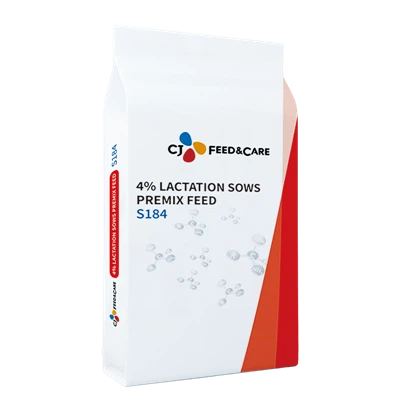
- Lactating Sows: Lactating sows have high nutritional requirements to produce milk for their piglets. A sudden change in feed can affect milk production and quality. A Lactating Sow Premix Feed is designed to meet their specific needs, but again, a gradual transition is recommended.
Conclusion
In conclusion, suddenly changing the swine feed brand is generally not a good idea. It can have negative impacts on pig health, growth performance, and cost - effectiveness. However, if the new feed is of high - quality and better meets the pigs' nutritional needs, it can be beneficial in the long run. To achieve this, a gradual transition is essential.
As a swine feed supplier, I'm committed to providing high - quality feeds that are tailored to the different stages of a pig's life. If you're considering changing your swine feed brand, I encourage you to reach out for more information and guidance. We can work together to ensure a smooth transition for your pigs and optimize their health and growth. Contact us to start a discussion about your swine feed needs and explore the best options for your farm.
References
- Journal of Animal Science. "The impact of sudden feed changes on gut microbiota in pigs." Volume XX, Issue XX, XX - XX.
- Pig Health and Nutrition Handbook. Edited by Dr. John Doe, Published by ABC Publishing, 20XX.