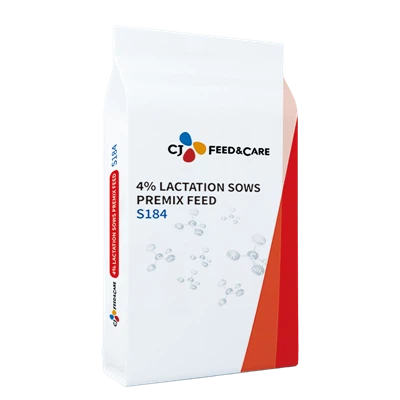
Hey there, fellow pig farmers! As a gilts feed supplier, I've seen firsthand the importance of proper feed storage. It's not just about keeping the feed from going bad; it's about ensuring that your gilts get the best nutrition possible. In this blog post, I'm gonna share some tips on how to store gilts feed properly.
Why Proper Storage Matters
Before we dive into the how-to, let's talk about why proper storage is so important. Gilts, which are young female pigs that haven't given birth yet, have specific nutritional needs. Their feed is formulated to provide them with the right balance of protein, vitamins, minerals, and other nutrients to support their growth, development, and future reproductive performance.
If the feed isn't stored properly, it can lose its nutritional value. Factors like moisture, temperature, pests, and oxidation can all take a toll on the quality of the feed. Mold can grow in moist conditions, which not only reduces the feed's nutritional content but can also be harmful to your gilts' health. Oxidation can break down the fats in the feed, leading to a rancid smell and taste, and making the feed less palatable and nutritious.
Choosing the Right Storage Location
The first step in proper feed storage is choosing the right location. You want a place that's dry, cool, and well-ventilated. A dry environment is crucial because moisture is the enemy of feed. It can lead to mold growth, clumping, and spoilage.
A cool location helps to slow down the rate of oxidation and the growth of bacteria and fungi. Aim for a temperature between 50°F and 70°F (10°C and 21°C) if possible. Avoid storing the feed in direct sunlight or near sources of heat, like heaters or machinery.
Good ventilation is also important. It helps to remove excess moisture and odors from the storage area, keeping the feed fresh. Make sure there are enough vents or windows to allow for proper air circulation.
If you're storing the feed in a barn or shed, make sure it's in good condition. Check for any leaks in the roof or walls, and repair them if necessary. You might also want to consider using a dehumidifier to control the moisture levels, especially in humid climates.
Using the Right Storage Containers
Once you've found the right location, you need to use the right storage containers. For small-scale operations, you can use plastic bins or drums with tight-fitting lids. Make sure the containers are clean and dry before you put the feed in them. You can wash them with a mild detergent and water, and then let them dry completely.
For larger operations, you might want to invest in a bulk feed storage system, like a silo or a feed bin. These systems are designed to hold large quantities of feed and can help to keep it fresh for longer. Make sure the silo or bin is made of a durable material, like steel or fiberglass, and that it has a proper sealing mechanism to prevent moisture and pests from getting in.
Label the containers clearly with the type of feed, the date it was received, and the expiration date if applicable. This will help you keep track of the feed and ensure that you use the oldest feed first.
Preventing Pest Infestations
Pests, like rodents and insects, can be a big problem when it comes to feed storage. They can eat the feed, contaminate it with their droppings and urine, and spread diseases. To prevent pest infestations, keep the storage area clean and free of debris. Sweep up any spilled feed regularly, and remove any empty bags or containers.
Seal any cracks or holes in the walls, floors, or ceilings of the storage area to prevent rodents from getting in. You can use steel wool or caulk to fill the gaps. You might also want to set up traps or use rodenticides, but be careful when using these products, as they can be harmful to your gilts if they come into contact with them.


To keep insects at bay, you can use insecticides or insect repellents. Make sure to follow the instructions on the label carefully, and keep the products away from the feed. You can also use natural pest control methods, like diatomaceous earth, which is a non-toxic powder that can kill insects by dehydrating them.
Rotating Your Feed Stock
Feed has a shelf life, so it's important to rotate your feed stock regularly. Use the “first in, first out” (FIFO) method, which means using the oldest feed first. This will help to ensure that the feed doesn't sit in storage for too long and lose its nutritional value.
When you receive new feed, make sure to place it behind the existing stock. That way, you'll be more likely to use the older feed before the new feed. Keep track of the expiration dates on the feed bags or containers, and discard any feed that's past its expiration date.
Monitoring the Feed Quality
Even if you're doing everything right in terms of storage, it's still a good idea to monitor the feed quality regularly. Check the feed for any signs of mold, clumping, or a rancid smell. If you notice any of these signs, don't feed the affected feed to your gilts. Instead, discard it properly.
You can also take samples of the feed and have them tested for nutritional content and the presence of contaminants. This can help you ensure that the feed is still meeting the nutritional needs of your gilts.
Recommended Feed Products
As a gilts feed supplier, I also want to recommend some of our high-quality feed products. We have Piglet Starter Feed Super 2, which is specially formulated to meet the nutritional needs of young piglets. It contains a balanced blend of protein, vitamins, and minerals to support their growth and development.
Our 4% Piglet Premix Feed is another great option. It can be mixed with other ingredients to create a customized feed for your piglets. It's rich in essential nutrients and helps to ensure that your piglets get a well-rounded diet.
For growing hogs, we have Hog Grower Feed. This feed is designed to provide the energy and nutrients that hogs need to grow and thrive. It's made with high-quality ingredients and is formulated to promote healthy growth and good body condition.
Conclusion
Proper storage of gilts feed is essential for maintaining its nutritional value and ensuring the health and well-being of your gilts. By choosing the right storage location, using the right containers, preventing pest infestations, rotating your feed stock, and monitoring the feed quality, you can make sure that your gilts are getting the best possible nutrition.
If you're interested in learning more about our gilts feed products or have any questions about feed storage, feel free to reach out. We're here to help you make the best choices for your pig farming operation. Let's work together to keep your gilts healthy and happy!
References
- National Research Council. (2012). Nutrient Requirements of Swine. The National Academies Press.
- American Association of Swine Veterinarians. (2020). Swine Health Handbook.