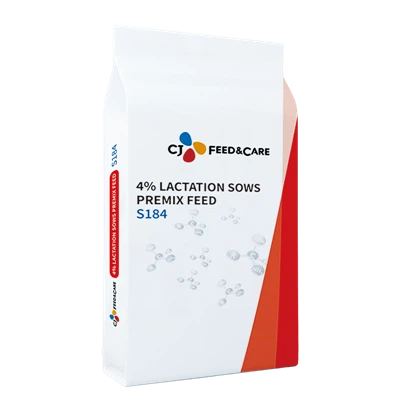
As a supplier of premix feed for dry cows, I understand the importance of a proper introduction process to ensure the well - being and productivity of these valuable animals. Dry cows are in a critical phase of their reproductive cycle, and the right nutrition during this period can significantly impact their subsequent lactation performance. In this blog, I will share some scientific and practical ways to gradually introduce our premix feed for dry cows.
Understanding the Nutritional Needs of Dry Cows
Before we start the introduction process, it's essential to understand why dry cows need our premix feed. Dry cows go through a physiological transition period. They are preparing for the next lactation cycle, and their bodies need to rest and replenish nutrient reserves. Our premix feed is formulated to provide a balanced combination of vitamins, minerals, amino acids, and other essential nutrients that are often lacking in a regular forage - based diet.
For example, calcium, phosphorus, and magnesium are crucial for maintaining bone health and proper muscle function. Adequate levels of vitamins such as vitamin A, D, and E are necessary for immune function and reproductive performance. Our premix feed is carefully designed to meet these specific nutritional requirements of dry cows.
The Gradual Introduction Process
Step 1: Assessment of the Current Diet
The first step in introducing our premix feed is to assess the dry cows' current diet. This includes evaluating the quality and quantity of forages, as well as any other supplements they are currently receiving. A forage analysis can provide valuable information about the nutrient content of the hay or silage. Based on this assessment, we can determine the appropriate amount of our premix feed to start with.
Step 2: Start with a Small Amount
Once we have a clear understanding of the current diet, we recommend starting with a small amount of our premix feed. A good starting point is to add about 10 - 15% of the recommended full - dose of the premix feed to the existing diet. This allows the cows to gradually adapt to the new taste and composition of the feed.
For instance, if the recommended full - dose of our premix feed is 1 kg per cow per day, we start by adding 0.1 - 0.15 kg per cow per day. This small addition is usually well - tolerated by the cows, and it gives their digestive systems time to adjust to the new nutrients.
Step 3: Monitor the Cows' Response
During the initial introduction phase, it's crucial to closely monitor the cows' response. Observe their appetite, rumination behavior, and fecal consistency. If the cows show signs of reduced appetite, abnormal feces, or other digestive disturbances, it may be a sign that the introduction rate is too fast. In such cases, we may need to slow down the process and reduce the amount of the premix feed added.
On the other hand, if the cows seem to be adapting well, we can gradually increase the amount of the premix feed. This increase should be done in small increments, typically no more than 10 - 15% of the previous amount every 3 - 5 days.
Step 4: Reach the Full - Dose
Over a period of 2 - 3 weeks, we can gradually increase the amount of our premix feed until we reach the recommended full - dose. By this time, the cows' digestive systems should be fully adapted to the new feed, and they will be able to benefit from the complete nutritional profile of our premix feed.
Benefits of Gradual Introduction
Gradually introducing our premix feed for dry cows offers several benefits. Firstly, it reduces the risk of digestive upsets such as acidosis, bloat, and diarrhea. These digestive disorders can not only cause discomfort to the cows but also lead to a decrease in feed intake and overall productivity.
Secondly, a gradual introduction allows the cows to develop a preference for the new feed. Cows are creatures of habit, and sudden changes in their diet can be stressful. By slowly introducing the premix feed, we give them time to get used to the taste and smell, which can improve their acceptance of the feed in the long run.
Finally, a proper introduction process ensures that the cows can fully utilize the nutrients in our premix feed. When the digestive system is given time to adapt, it can better absorb and metabolize the vitamins, minerals, and other nutrients, leading to improved health and performance.
Complementary Feeds and Our Product Range
In addition to our premix feed for dry cows, we also offer a range of complementary feeds. For example, our Concentrate Feed for Grower Cow is designed to meet the high - energy and protein requirements of growing cows. This feed can be used in combination with our premix feed for dry cows to provide a more comprehensive nutritional solution.
Our Heifer Grower Feed is specifically formulated for heifers, which are young female cows that have not yet calved. It contains the right balance of nutrients to support their growth and development, ensuring that they reach puberty and calving at the appropriate age.
For calves, we have Complete Calf Feed. This feed is a convenient and nutritionally balanced option for young calves, providing them with all the essential nutrients they need for healthy growth and development.
Conclusion and Call to Action
Introducing our premix feed for dry cows gradually is a crucial step in ensuring the health and productivity of your herd. By following the steps outlined in this blog, you can minimize the risk of digestive problems and maximize the benefits of our high - quality feed.
If you are interested in learning more about our premix feed for dry cows or any of our other dairy cow feeds, we encourage you to contact us for a detailed discussion. Our team of experts is ready to provide you with personalized advice and support to meet your specific needs. Whether you are a small - scale dairy farmer or a large - scale commercial operation, we have the right feed solutions for you. Let's work together to improve the performance and well - being of your dry cows.


References
- National Research Council (NRC). (2001). Nutrient Requirements of Dairy Cattle. 7th revised ed. Washington, DC: The National Academies Press.
- Dairy Management Inc. (2018). Dairy Cow Nutrition and Feeding Guide. Retrieved from [relevant source if available]
- Van Soest, P. J. (1994). Nutritional Ecology of the Ruminant. 2nd ed. Cornell University Press.