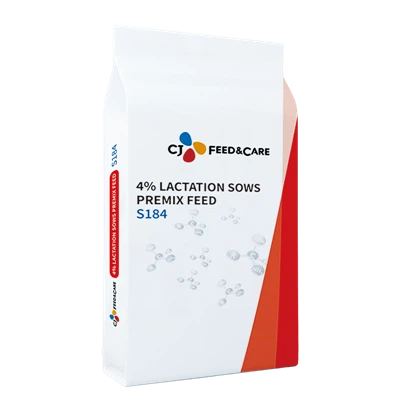
As a supplier of 4% Piglet Premix Feed, I understand the importance of adjusting the feeding frequency according to environmental temperature. Piglets are sensitive to temperature changes, and the right feeding frequency can significantly impact their growth, health, and overall performance. In this blog, I'll share some insights on how to make these adjustments effectively.


Understanding the Basics of Piglet Nutrition and Temperature
Piglets have unique nutritional requirements, and our 4% Piglet Premix Feed is formulated to meet these needs. It contains a balanced blend of vitamins, minerals, amino acids, and other essential nutrients that support healthy growth and development. However, environmental temperature plays a crucial role in how piglets utilize these nutrients.
At lower temperatures, piglets need more energy to maintain their body heat. This means they require more feed to meet their energy demands. Conversely, in warmer temperatures, their energy requirements decrease, and overfeeding can lead to issues such as obesity and reduced feed efficiency.
Feeding Frequency in Cold Environments
When the environmental temperature drops, piglets need to consume more feed to generate enough energy to stay warm. Here are some guidelines on adjusting the feeding frequency:
- Increase the Number of Feedings: In cold weather, consider increasing the number of daily feedings. Instead of the standard 3 - 4 feedings, you can go up to 5 - 6 feedings per day. This allows piglets to take in smaller, more frequent meals, which can help them maintain a stable body temperature and energy level.
- Monitor Feed Intake: Keep a close eye on the piglets' feed intake. If they seem to be consuming all the feed quickly, you may need to increase the amount of feed per feeding. However, be careful not to overfeed, as this can lead to digestive problems.
- Use High - Energy Feed: Our 4% Piglet Premix Feed can be combined with high - energy ingredients such as grains and fats to provide extra calories. This can help piglets meet their increased energy requirements in cold temperatures.
Feeding Frequency in Warm Environments
In warm weather, piglets' energy requirements are lower, and overfeeding can cause heat stress and other health issues. Here's how to adjust the feeding frequency:
- Reduce the Number of Feedings: Decrease the number of daily feedings to 2 - 3 times a day. This helps prevent piglets from consuming too much feed and generating excess body heat.
- Offer Cool, Fresh Water: Make sure piglets have access to plenty of cool, fresh water at all times. Water is essential for thermoregulation and can help piglets stay cool in hot weather.
- Adjust Feed Composition: Consider reducing the fat content in the feed, as fat is more energy - dense and can contribute to heat production. You can also increase the fiber content slightly to promote satiety without adding too many calories.
Case Studies and Practical Examples
Let's look at some real - world examples of how adjusting feeding frequency based on temperature can make a difference:
- Farm A: In a cold winter, Farm A increased the feeding frequency of their piglets from 4 to 6 times a day. They also added some extra fat to the feed. As a result, the piglets maintained a healthy body weight and showed better growth rates compared to previous winters.
- Farm B: During a hot summer, Farm B reduced the feeding frequency to 2 times a day and provided more water. The piglets were less stressed, and there was a significant decrease in heat - related health issues.
Other Factors to Consider
While environmental temperature is a major factor in adjusting feeding frequency, there are other factors to keep in mind:
- Piglet Age and Weight: Younger and lighter piglets may have different feeding requirements compared to older and heavier ones. Make sure to adjust the feeding frequency and amount based on their age and weight.
- Health Status: Sick or stressed piglets may have reduced appetites. In such cases, you may need to adjust the feeding frequency and offer more palatable feed.
- Feed Quality: Ensure that the 4% Piglet Premix Feed and other feed ingredients are of high quality. Poor - quality feed can lead to digestive problems and reduced feed intake.
Related Products
In addition to our 4% Piglet Premix Feed, we also offer other high - quality swine feeds, such as Finisher Feeds for Pigs, Piglet Starter Concentrated Feed, and Boar Premix Feed. These products are designed to meet the specific nutritional needs of different stages of pig growth.
Conclusion
Adjusting the feeding frequency of 4% Piglet Premix Feed according to environmental temperature is a crucial aspect of piglet management. By understanding the relationship between temperature, nutrition, and piglet health, you can optimize the feeding regime to ensure the best possible growth and performance.
If you're interested in learning more about our 4% Piglet Premix Feed or other swine feed products, or if you'd like to discuss your specific feeding requirements, we'd love to hear from you. Contact us today to start a procurement discussion and take your pig farming to the next level.
References
- "Swine Nutrition Handbook" by the National Pork Board
- "Piglet Management and Health" by the American Association of Swine Veterinarians