As a dedicated supplier of Beef Calf Starter Feed, I understand the critical importance of proper storage to maintain the quality and nutritional value of our product. In this blog, I'll share some essential guidelines on how to store Beef Calf Starter Feed effectively.
Understanding the Characteristics of Beef Calf Starter Feed
Beef Calf Starter Feed is formulated to meet the specific nutritional needs of young calves, providing them with the energy, protein, vitamins, and minerals necessary for healthy growth and development. It typically contains a blend of grains, protein sources, and additives, which can make it susceptible to spoilage if not stored correctly.
Storage Conditions
Temperature
The ideal storage temperature for Beef Calf Starter Feed is between 10°C and 20°C (50°F and 68°F). Temperatures above 25°C (77°F) can accelerate the growth of mold and bacteria, while temperatures below freezing can cause the feed to become hard and less palatable. It's important to store the feed in a cool, dry place away from direct sunlight and heat sources.
Humidity
High humidity can lead to the growth of mold and mildew in the feed, which can reduce its nutritional value and pose a health risk to the calves. The relative humidity in the storage area should be kept below 60%. If the humidity is high, consider using a dehumidifier or storing the feed in airtight containers.
Ventilation
Proper ventilation is essential to prevent the buildup of moisture and heat in the storage area. Good airflow helps to keep the feed dry and reduces the risk of mold growth. Make sure the storage area has adequate ventilation, and avoid stacking the feed bags too tightly together.
Storage Containers
Bags
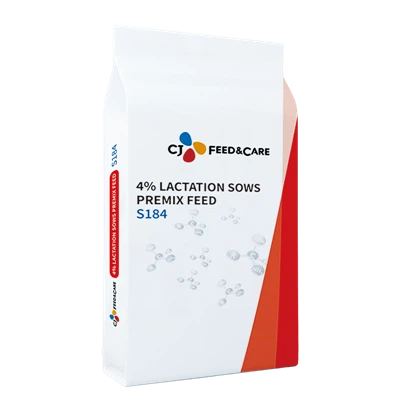
Most Beef Calf Starter Feed is sold in bags, which are designed to protect the feed from moisture and pests. When storing the feed in bags, make sure they are kept off the floor and away from the walls to allow for proper air circulation. It's also a good idea to stack the bags in a way that allows for easy access and rotation.
Bins
If you have a large quantity of feed to store, you may consider using bins. Bins can provide a more secure and airtight storage solution, but they need to be properly cleaned and maintained to prevent the growth of mold and bacteria. Make sure the bins are made of a durable material and have a tight-fitting lid.
Pest Control
Pests such as rodents and insects can contaminate the feed and cause significant losses. To prevent pest infestations, keep the storage area clean and free of debris. Seal any cracks or holes in the walls and floors to prevent rodents from entering. You can also use pest control products such as traps and baits, but make sure they are safe for use around the feed.


Feed Rotation
To ensure the freshness and quality of the feed, it's important to practice feed rotation. Use the oldest feed first and make sure to restock the supply regularly. This helps to prevent the feed from sitting in storage for too long and reduces the risk of spoilage.
Monitoring and Inspection
Regular monitoring and inspection of the stored feed are essential to detect any signs of spoilage or pest infestation early. Check the feed bags or bins for any signs of damage, mold, or mildew. If you notice any issues, remove the affected feed immediately and take appropriate measures to prevent further problems.
Conclusion
Proper storage of Beef Calf Starter Feed is crucial to maintain its quality and nutritional value. By following these guidelines, you can ensure that the feed remains fresh and safe for the calves. At our company, we are committed to providing high-quality Beef Calf Starter Feed and offering our customers the best advice on storage and feeding. If you have any questions or need more information about our products, please feel free to [contact us for procurement discussion]. We look forward to working with you to ensure the health and growth of your calves.
References
- National Research Council. (2001). Nutrient Requirements of Beef Cattle. Washington, DC: The National Academies Press.
- American Feed Industry Association. (2019). Feed Manufacturing and Quality Assurance. Alexandria, VA: American Feed Industry Association.
- University of Minnesota Extension. (2020). Storing Livestock Feed. Retrieved from [University of Minnesota Extension website]
In addition to Beef Calf Starter Feed, we also offer other high-quality cattle feeds, such as Grower Finisher Feed for Cattle, Cattle Fattening Feed, and Beef Cow Concentrate Feed. These feeds are formulated to meet the specific nutritional needs of different stages of cattle growth and development. If you are interested in learning more about our product range or would like to discuss your procurement needs, please don't hesitate to get in touch.