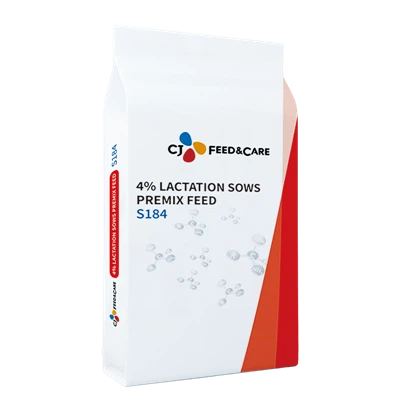
As a dedicated goose feed supplier, one of the most common questions I receive from goose farmers is, "How often should I change my geese's feed?" This is a crucial question that can significantly impact the health, growth, and productivity of your geese. In this blog post, I'll delve into the factors that influence feed change frequency and provide some guidelines to help you make informed decisions.
Understanding Goose Nutritional Needs at Different Life Stages
Geese, like all animals, have varying nutritional requirements depending on their age, breed, and purpose (whether they are raised for meat, eggs, or as pets). Understanding these needs is the first step in determining how often to change their feed.
Goslings (0 - 8 weeks)
Goslings are in a rapid growth phase during their first few weeks of life. They require a high - protein diet to support their muscle and bone development. A starter feed with a protein content of around 20 - 22% is typically recommended. This feed should be rich in essential amino acids, vitamins, and minerals. For the first 0 - 2 weeks, goslings need a very fine - textured feed that is easy for them to digest.
As goslings grow older, their digestive systems become more robust. Around the 3 - 4 - week mark, you can gradually introduce a slightly coarser feed. However, the protein content should remain relatively high. It's generally not necessary to change the feed type frequently during this period, but you may need to adjust the feed quantity as the goslings grow.


Growing Geese (8 - 20 weeks)
Once goslings reach 8 weeks of age, they enter the growing phase. At this stage, you can transition them to a grower feed. The 5% Goose Grower Premix Feed is an excellent choice for this phase. It usually has a protein content of around 16 - 18%. This lower protein level is appropriate as the geese are no longer growing at the same rapid pace as before.
The change from starter to grower feed should be gradual over a period of about 7 - 10 days. Mix a small amount of the new grower feed with the old starter feed and gradually increase the proportion of the grower feed each day. This helps the geese adjust to the new feed without causing digestive upset.
Adult Geese
Adult geese have different nutritional needs depending on whether they are used for meat production, egg - laying, or as breeding stock.
- Meat - producing geese: These geese need a diet that promotes efficient weight gain. A finisher feed with a slightly higher energy content can be provided as they approach the market weight. The change to a finisher feed should be done gradually, similar to the transition from starter to grower feed.
- Egg - laying geese: For geese that are laying eggs, they require a diet rich in calcium, phosphorus, and other essential nutrients to support egg production. The Breeding Goose Egg - Laying Premix Feed is specifically formulated to meet these needs. You can start feeding this type of feed a few weeks before the expected start of the laying season.
- Breeding geese: Breeding geese need a balanced diet to maintain good health and fertility. A high - quality maintenance feed can be provided throughout the non - breeding season. As the breeding season approaches, you may need to adjust the feed to include more nutrients that support reproduction.
Environmental Factors and Feed Change
Environmental factors also play a role in determining how often to change your geese's feed.
Seasonal Changes
In colder months, geese need more energy to maintain their body temperature. You may need to adjust their feed to include more high - energy ingredients such as grains. Conversely, in hot weather, geese may have a reduced appetite. You might need to provide a more palatable feed or adjust the feeding schedule to avoid feed wastage.
Availability of Forage
If your geese have access to good quality forage, such as grass and clover, they can obtain a significant portion of their nutrients from it. In this case, you may need to adjust the amount of commercial feed accordingly. However, even with access to forage, it's still important to provide a balanced supplementary feed to ensure they get all the necessary nutrients.
Health and Stress Factors
The health and stress levels of your geese can also influence feed change frequency.
Illness or Parasite Infestation
If your geese are sick or have a parasite infestation, their nutritional requirements may change. For example, sick geese may need a more easily digestible feed to help them recover. In some cases, you may need to consult a veterinarian to determine the appropriate feed for sick geese.
Stress
Stressors such as overcrowding, sudden changes in the environment, or predator attacks can affect a goose's appetite and digestion. During periods of stress, it's generally not advisable to make sudden feed changes. Instead, try to reduce the stressors first and then gradually adjust the feed if necessary.
General Guidelines for Feed Change Frequency
Based on the above factors, here are some general guidelines for feed change frequency:
- Starter to grower feed: Change from starter to grower feed around 8 weeks of age, with a gradual transition over 7 - 10 days.
- Grower to finisher/breeder/layer feed: Make the transition when the geese reach the appropriate life stage (e.g., approaching market weight for meat geese, before the laying season for egg - laying geese). Again, use a gradual transition over 7 - 10 days.
- Seasonal and environmental changes: Monitor your geese's behavior and condition closely during seasonal changes. Make adjustments to the feed as needed, but avoid sudden changes.
Conclusion
Determining how often to change your geese's feed is a complex decision that depends on multiple factors, including the geese's life stage, environmental conditions, and health status. By understanding these factors and following the general guidelines provided, you can ensure that your geese receive the appropriate nutrition at all times.
If you have any further questions about goose feed or need help in selecting the right feed for your geese, please don't hesitate to reach out. We are here to support you in providing the best care for your geese. Whether you are a small - scale hobby farmer or a large - scale commercial producer, we can work with you to develop a customized feeding plan. Contact us today to start a discussion about your goose - feeding needs and explore our range of high - quality goose feeds.
References
- National Research Council. (1994). Nutrient Requirements of Poultry. National Academies Press.
- Poultry Science Association. (2020). Poultry Nutrition Handbook. Poultry Science Association Publications.