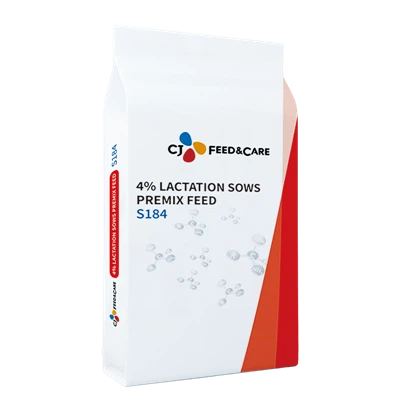
Hey there! I'm a supplier of hog grower feed, and I've seen firsthand how temperature can have a huge impact on the storage of our products. In this blog, I'm gonna share my thoughts on how temperature affects hog grower feed storage and what you can do to keep your feed in top - notch condition.
The Basics of Hog Grower Feed
Before we dive into the temperature stuff, let's quickly talk about hog grower feed. This feed is specially formulated to meet the nutritional needs of growing hogs. It contains a balanced mix of proteins, carbohydrates, vitamins, and minerals to support healthy growth and development. As a supplier, I know that the quality of our feed is super important. And one of the key factors that can mess with that quality is temperature.
How Temperature Affects Feed Quality
High Temperatures
High temperatures are like the arch - enemy of hog grower feed. When the temperature rises, a bunch of bad things can happen to the feed.
First off, high heat can speed up the oxidation process. Oxidation is when the fats in the feed react with oxygen in the air. This leads to the formation of free radicals, which not only make the feed taste and smell bad but also reduce its nutritional value. The vitamins and other nutrients in the feed can get destroyed during oxidation. For example, vitamin E, which is an important antioxidant in hog grower feed, can be quickly depleted at high temperatures.
Secondly, high temperatures can promote the growth of mold and bacteria. These microorganisms love warm, moist environments. Once they start growing in the feed, they can produce toxins that are harmful to hogs. My customers have sometimes complained about their hogs getting sick after eating moldy feed, and it's often because the feed was stored in a hot place.
Moreover, heat can cause the feed to clump together. This is especially true for feeds that contain a lot of moisture. The clumping makes it difficult to handle the feed and can also lead to uneven distribution of nutrients. When the feed clumps, some hogs might get more nutrients than others, which can affect their growth rates.
Low Temperatures
On the flip side, low temperatures also have their own set of problems. While cold doesn't promote mold growth like heat does, it can still cause issues.
One of the main problems with low - temperature storage is that it can make the feed brittle. The moisture in the feed can freeze, and when it thaws, the feed structure can be damaged. This can lead to a loss of physical integrity, and the feed might break into smaller pieces. These smaller pieces can be more difficult for hogs to eat, and there's also a higher risk of dust formation.
Cold temperatures can also slow down the metabolic processes in the feed. Some of the enzymes in the feed that help with digestion might become less active at low temperatures. This means that when the hogs eat the feed, they might not be able to digest it as efficiently, and some of the nutrients might pass through their system without being absorbed.
Ideal Temperature for Hog Grower Feed Storage
So, what's the ideal temperature for storing hog grower feed? Well, it's generally recommended to keep the feed in a temperature - controlled environment between 10°C and 20°C (50°F - 68°F). This temperature range helps to slow down the oxidation process, prevent mold growth, and maintain the physical and nutritional quality of the feed.
In my experience, it's best to store the feed in a cool, dry place. A well - ventilated storage facility can also help to keep the temperature stable and reduce the humidity. If you're storing the feed in a warehouse, make sure there's proper insulation to keep the outside temperature from affecting the feed.
Tips for Storing Hog Grower Feed at Different Temperatures
High - Temperature Storage
If you're in an area with high temperatures, here are some tips to keep your feed in good condition:
- Use sealed containers: This can prevent oxygen and moisture from getting into the feed, reducing the risk of oxidation and mold growth.
- Store in a shaded area: Keep the feed away from direct sunlight, as this can significantly increase the temperature.
- Add antioxidants: Some feed additives can help to slow down the oxidation process. These antioxidants can extend the shelf life of the feed, even in high - temperature conditions.
Low - Temperature Storage
For low - temperature storage:
- Insulate the storage area: Use insulation materials to keep the cold air out and maintain a more stable temperature inside.
- Thaw the feed slowly: If the feed has frozen, don't try to thaw it quickly. Rapid thawing can cause more damage to the feed structure.
- Check for moisture: Make sure there's no excess moisture in the feed before storing it in cold conditions. Moisture can lead to freezing and subsequent damage.
Our Product Range and Temperature Considerations
As a hog grower feed supplier, we offer a wide range of products, including Piglet Starter Feed Super 2, Gilts Feed, and Milk Replacement for Piglets. Each of these products has its own specific nutritional requirements and storage needs.
For example, Piglet Starter Feed Super 2 is formulated with a high level of nutrients to support the rapid growth of piglets. It's especially important to store this feed at the right temperature to ensure that the nutrients remain intact. The same goes for Gilts Feed, which is designed for the specific needs of gilts. And Milk Replacement for Piglets needs to be stored properly to maintain its quality and palatability.
Conclusion
Temperature plays a crucial role in the storage of hog grower feed. Whether it's high or low temperatures, they can both have a negative impact on the feed quality. By understanding how temperature affects the feed and following the right storage practices, you can ensure that your hogs get the best - quality feed, which in turn will lead to healthy growth and better performance.


If you're interested in our hog grower feed products or have any questions about storage, feel free to reach out. We're always happy to help you make the best choices for your hog farming operation.
References
- NRC (National Research Council). (2012). Nutrient Requirements of Swine. 11th Edition.
- American Feed Industry Association. (2020). Feed Storage and Handling Best Practices.