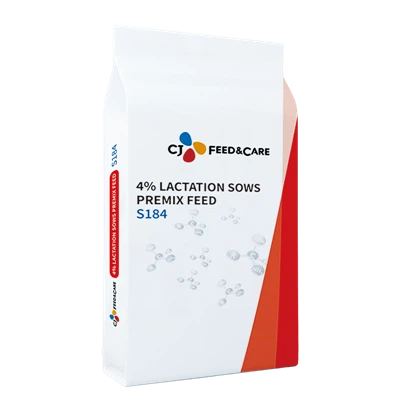
Hey there! I'm a supplier of Gestation Feed For Pigs, and today I wanna chat about how the processing method of gestation feed affects its digestibility.
First off, let's understand why digestibility matters. When sows are in gestation, they need all the nutrients they can get to support the growth and development of their piglets. If the feed isn't easily digestible, the sows won't be able to absorb those essential nutrients properly. This can lead to all sorts of problems, like poor piglet growth, low birth weights, and even health issues for the sows themselves.
Now, let's dig into the different processing methods and how they impact digestibility.
Grinding
Grinding is one of the most basic processing methods for feed. When we grind the raw materials, we're basically breaking them down into smaller particles. This increases the surface area of the feed, which makes it easier for the enzymes in the sow's digestive system to access and break down the nutrients.
For example, if we use a coarse grind, the particles are larger. While this might be okay for some parts of the digestive process, it can also mean that some nutrients aren't fully broken down. On the other hand, a fine grind can make the feed more digestible, but it can also cause some issues. If the particles are too small, they can clump together in the digestive tract, which can slow down the digestion process.
So, finding the right balance in grinding is crucial. At our company, we've spent a lot of time experimenting with different grind sizes to make sure our gestation feed is as digestible as possible.
Pelleting
Pelleting is another popular processing method. In this process, the ground feed is mixed with water and other additives, and then forced through a die to form pellets. Pelleting has several benefits when it comes to digestibility.
First of all, the heat and pressure involved in the pelleting process can actually improve the digestibility of some nutrients. For example, it can break down some of the anti - nutritional factors that are present in the raw materials. These factors can interfere with the digestion and absorption of nutrients, so getting rid of them is a big plus.
Secondly, pellets are more convenient for sows to eat. They're easier to handle and less likely to be wasted compared to loose feed. This means that the sows are more likely to consume the full amount of feed, which in turn means they're getting all the nutrients they need.
However, if the pelleting process isn't done right, it can also have a negative impact on digestibility. If the temperature is too high during pelleting, it can damage some of the heat - sensitive nutrients, like vitamins and amino acids. So, we have to be really careful when setting the parameters for pelleting.
Extrusion
Extrusion is a more advanced processing method. It involves subjecting the feed to high temperature, pressure, and shear forces. This can have a significant impact on the digestibility of the feed.
During extrusion, the starch in the feed is gelatinized. This means that it becomes more soluble and easier to digest. The proteins in the feed are also denatured, which can improve their digestibility as well.
Extruded feed can also have a better texture and flavor, which can increase the palatability for sows. When sows like the taste of the feed, they're more likely to eat it, and that's good for their overall nutrition.
But just like with pelleting, there are some potential downsides. Extrusion can be an energy - intensive process, and if not controlled properly, it can lead to the destruction of some nutrients. We've had to invest in high - tech equipment and skilled operators to make sure our extrusion process is just right.
Impact on Piglet Health
The digestibility of gestation feed doesn't just affect the sows; it also has a big impact on the health of the piglets. When sows are fed highly digestible feed during gestation, they're able to transfer more nutrients to their piglets. This can result in piglets that are born with higher birth weights and better overall health.
Healthy piglets are more likely to survive the early stages of life and grow into strong, productive pigs. That's why we're so focused on getting the processing method of our gestation feed right. We know that it's not just about feeding the sows; it's about setting the foundation for the future of the pig herd.
Our Product Range
We also offer other great products to support the different stages of pig growth. For example, we have the Piglet Starter Feed Super 2. This feed is specially formulated to meet the nutritional needs of newly weaned piglets. It's highly digestible and packed with all the essential nutrients to help them grow strong and healthy.
Another product is the 4% Piglet Premix Feed. This premix can be added to other feeds to enhance their nutritional value. It contains a balanced blend of vitamins, minerals, and other additives to support the optimal growth and development of piglets.
And for gilts, we have the Gilts Feed. This feed is designed to meet the unique nutritional requirements of gilts, helping them to develop into healthy breeding sows.
Conclusion
In conclusion, the processing method of gestation feed has a huge impact on its digestibility. Whether it's grinding, pelleting, or extrusion, each method has its own advantages and challenges. At our company, we're constantly working to improve our processing techniques to make sure our gestation feed is as digestible as possible.


If you're in the market for high - quality gestation feed or any of our other pig feed products, we'd love to hear from you. We can provide you with more information about our products and discuss how they can meet your specific needs. Contact us to start a conversation about procurement, and let's work together to keep your pigs healthy and productive!
References
- "Swine Nutrition" by Albin C. Lewis
- "Feed Processing Technology" by T. R. C. Preston
- "The Impact of Feed Processing on Nutrient Digestibility in Pigs" - Journal of Animal Science