Hey there! I'm a supplier of hog grower feed, and I've seen firsthand how crucial packaging is when it comes to the shelf - life of our products. In this blog, I'll break down the different ways packaging impacts the longevity of hog grower feed.
First off, let's talk about the basics. The shelf - life of hog grower feed is the amount of time it can be stored without losing its nutritional value, flavor, or safety. A lot of factors can affect this, but packaging is one of the most important ones.
The Role of Barrier Properties
One of the main functions of packaging is to act as a barrier against external elements. Oxygen, moisture, light, and pests can all have a negative impact on hog grower feed.
Oxygen is a big culprit. It can cause oxidation of the fats in the feed, leading to rancidity. When feed goes rancid, it not only loses its palatability but also its nutritional value. Fats are an important energy source for growing hogs, and oxidized fats are less digestible and can even be harmful. Good packaging should have a low oxygen transmission rate (OTR). For example, using materials like aluminum foil or high - density polyethylene (HDPE) can significantly reduce the amount of oxygen that gets into the feed.


Moisture is another enemy. If the feed absorbs too much moisture, it can become a breeding ground for mold and bacteria. Mold can produce mycotoxins, which are toxic to hogs. Packaging materials with low water vapor transmission rates (WVTR) are essential. Sealed plastic bags or containers can keep moisture out. Some advanced packaging even has desiccants inside to absorb any excess moisture that might find its way in.
Light can also degrade the feed. Ultraviolet (UV) light can break down vitamins and other nutrients in the feed. Dark - colored or opaque packaging can block out UV light and protect the feed's nutritional content.
Pests, such as rodents and insects, can contaminate the feed. Packaging should be strong and resistant to chewing and penetration. Metal or thick plastic containers can be effective in keeping pests at bay.
Types of Packaging and Their Impact on Shelf - Life
There are several types of packaging commonly used for hog grower feed, and each has its own pros and cons when it comes to shelf - life.
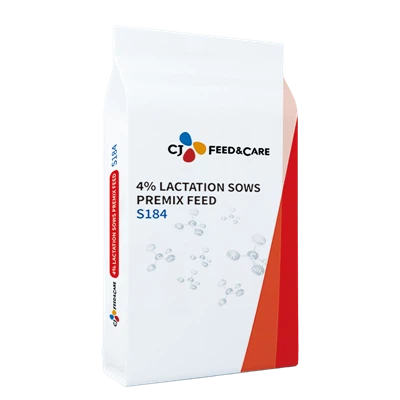
Bags: Polypropylene bags are widely used in the feed industry. They are relatively inexpensive and lightweight. However, they may not provide the best barrier against oxygen and moisture. To improve their performance, they can be lined with a polyethylene film. This lining can reduce the OTR and WVTR, extending the feed's shelf - life. But even with a lining, bags are still more vulnerable to damage during handling and storage compared to other types of packaging.
Drums and Containers: Plastic or metal drums and containers offer better protection. They are more durable and can provide a more airtight and watertight seal. They are also less likely to be damaged by pests. However, they are more expensive and take up more space. If you're storing a large quantity of feed, drums can be a great option, especially if you plan to keep the feed for a long time.
Flexible Packaging: This includes pouches and sachets. Flexible packaging is convenient and can be customized in terms of size and shape. It can also be printed with attractive labels. Some flexible packaging is made with multiple layers of different materials to provide good barrier properties. However, like bags, they can be more easily damaged.
Packaging Design and Shelf - Life
The design of the packaging also plays a role in the feed's shelf - life. A well - designed package should be easy to open and close. If the package is difficult to seal properly after opening, air and moisture can get in, reducing the feed's shelf - life.
Some packaging has resealable features, such as zippers or Velcro closures. These can be very useful, especially if the feed is not going to be used up all at once. They allow the remaining feed to be stored safely until the next use.
The size of the package is also important. If the package is too large for the amount of feed that will be used in a reasonable time, the feed may sit in the package for too long, increasing the risk of spoilage. On the other hand, if the package is too small, there may be more waste in terms of packaging materials.
The Importance of Proper Storage
Even with the best packaging, proper storage is essential for maximizing the shelf - life of hog grower feed. The feed should be stored in a cool, dry place. High temperatures can accelerate the degradation of the feed, even if it's well - packaged.
It's also important to keep the feed off the ground. Storing the feed on pallets can prevent it from absorbing moisture from the floor. And of course, the storage area should be clean and free of pests.
Our Product Range and Packaging
As a hog grower feed supplier, we offer a variety of products, including Finisher Feeds for Pigs, Piglet Starter Concentrated Feed, and Milk Replacement for Piglets. We take packaging seriously and use high - quality materials to ensure the longest possible shelf - life for our products.
Our packaging is designed to protect the feed from oxygen, moisture, light, and pests. We use a combination of advanced materials and innovative designs to provide the best possible protection. Whether you need a small quantity for a few hogs or a large order for a commercial farm, we've got you covered.
Conclusion
In conclusion, the packaging of hog grower feed has a significant impact on its shelf - life. By choosing the right packaging materials, design, and storage conditions, you can ensure that your feed stays fresh and nutritious for as long as possible.
If you're interested in purchasing our hog grower feed or have any questions about our products and packaging, don't hesitate to reach out. We're here to help you make the best choice for your hogs' nutrition and your farm's success.
References
- "Feed Packaging: A Review of Materials and Technologies" - Journal of Animal Feed Science
- "Factors Affecting the Shelf - Life of Animal Feeds" - Proceedings of the International Symposium on Feed Science and Technology