Hey there! I'm a supplier of dairy cow feed, and I've been in this business for quite a while. One question that often pops up is how the feed processing method of dairy cow feed impacts its quality. Well, let's dive right into it!
First off, let's talk about why feed quality matters. Good quality feed is the foundation of a healthy and productive dairy herd. It directly affects milk production, cow health, and even the quality of the milk itself. So, getting the feed processing right is super important.
One of the key processing methods is grinding. Grinding the feed ingredients helps to break them down into smaller particles. This makes it easier for the cows to chew and digest the feed. When the feed is ground to the right particle size, the cows can extract more nutrients from it. For example, if the corn in the feed is ground too coarsely, the cows might not be able to fully break it down, and a lot of the nutrients will pass through their digestive system without being absorbed. On the other hand, if it's ground too finely, it can lead to problems like acidosis in the cows' rumen. So, finding the sweet spot in grinding is crucial.
Another important processing step is mixing. A well - mixed feed ensures that all the nutrients are evenly distributed throughout the batch. Imagine if you had a batch of feed where the vitamins and minerals were clumped together in one corner. Some cows might end up getting too much of these nutrients, while others might not get enough. This can lead to imbalances in the cows' diet and affect their health and milk production. At our place, we use state - of - the - art mixing equipment to make sure that every scoop of feed is a perfect blend of all the necessary ingredients.
Heat treatment is also a common feed processing method. Heating the feed can have several benefits. It can help to kill harmful bacteria and pathogens, which is great for the cows' health. For example, heat - treating soybean meal can reduce the presence of anti - nutritional factors that can interfere with the cows' digestion. However, too much heat can also have a negative impact. It can destroy some of the heat - sensitive nutrients like vitamins. So, we have to be really careful with the temperature and duration of the heat treatment.


Now, let's talk about the different types of dairy cow feed we offer. We have a great selection of products, each tailored to the specific needs of different stages of a cow's life.
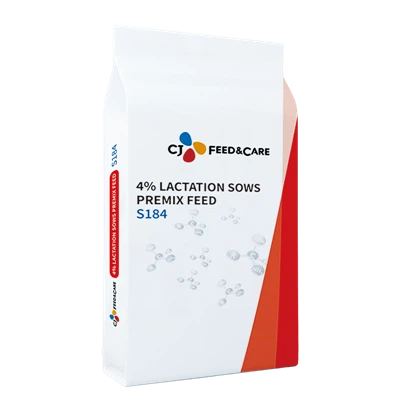
For lactating dairy cows, we have the Premix Feed for Lactation Dairy Cow. This feed is specially formulated to provide the extra energy and nutrients that lactating cows need to produce high - quality milk. It contains a balanced mix of proteins, carbohydrates, vitamins, and minerals to support their milk production and overall health.
If you have heifers that are growing, our Heifer Grower Feed is the perfect choice. This feed is designed to support the healthy growth and development of young heifers. It has the right amount of nutrients to help them reach their full genetic potential and grow into strong, productive cows.
And for calves, we offer the Complete Calf Feed. This feed is a complete diet for young calves, providing them with all the essential nutrients they need in their early stages of life. It helps them to grow quickly and develop a healthy immune system.
The processing methods we use for each of these feeds are carefully chosen to preserve the quality and nutritional value. For example, in the premix feed for lactating cows, we use a gentle mixing process to ensure that the delicate vitamins and minerals are not damaged. In the heifer grower feed, we pay special attention to the particle size of the ingredients to make it easy for the young cows to eat and digest.
The feed processing method also impacts the shelf - life of the feed. A properly processed feed can last longer without spoiling. This is important for our customers because it means they can store the feed for a reasonable amount of time without worrying about it going bad. We use techniques like adding preservatives (in a safe and regulated way) and proper packaging to extend the shelf - life of our feeds.
Let's not forget about the cost - effectiveness of different processing methods. Some processing methods might be more expensive, but they can also lead to higher - quality feed that can improve the cows' performance. For example, using advanced heat - treatment technology might cost more upfront, but it can reduce the incidence of diseases in the cows, which can save money in the long run. We always try to find the right balance between cost and quality to offer our customers the best value for their money.
In addition to the processing methods themselves, the quality of the raw materials also plays a big role in the final feed quality. We source our raw materials from trusted suppliers. We make sure that the grains, proteins, and other ingredients are of the highest quality. Even the best processing methods won't be able to turn low - quality raw materials into a high - quality feed.
As a dairy cow feed supplier, we're constantly researching and improving our feed processing methods. We keep up with the latest scientific research and industry trends to make sure that our feeds are always at the forefront of quality. We also work closely with veterinarians and nutritionists to get their expert advice on how to optimize the feed for the cows' needs.
If you're in the market for high - quality dairy cow feed, we'd love to talk to you. We understand that every dairy farm is different, and we're willing to work with you to customize a feed solution that meets your specific requirements. Whether you have a small family farm or a large commercial operation, we can provide you with the right feed at the right price. So, don't hesitate to reach out to us for more information or to start a purchase negotiation. We're here to help you keep your cows healthy and productive.
References:
- "Dairy Cattle Nutrition" by National Research Council
- "Feed Processing Technology for Dairy Cows" by Journal of Dairy Science
- "The Impact of Feed Processing on Dairy Cow Health and Milk Production" by Dairy Feed Research Institute