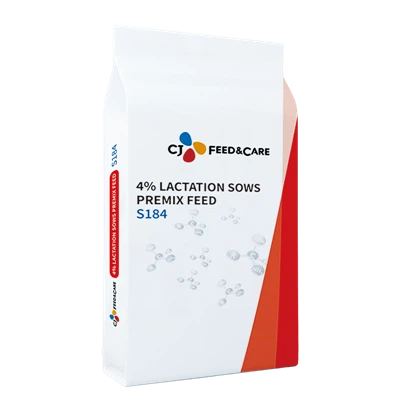
As a swine feed supplier, I've seen firsthand how the feed form can have a huge impact on swine performance. Whether it's meal, pellets, or something else, each feed form comes with its own set of pros and cons that can affect how well pigs grow, reproduce, and overall stay healthy. So, let's dig into how different feed forms can shape swine performance.
Meal Feed
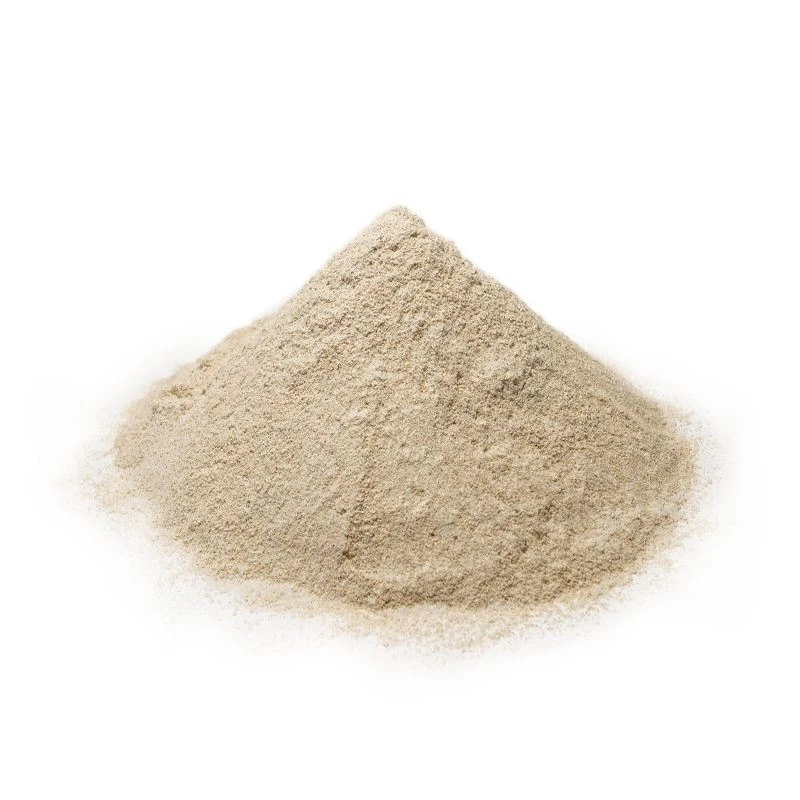
Meal feed is basically just a finely ground mixture of all the necessary ingredients for swine. It's one of the most traditional forms of swine feed, and it has some real advantages.
One of the big pluses of meal feed is its palatability. Pigs seem to really like the texture and taste of meal feed. It's easy for them to pick at and eat, which can be especially important for young piglets or sows that might be a bit finicky eaters. Since they're more likely to eat the feed, it can lead to better feed intake, which is crucial for growth and development.
Another advantage is cost - effectiveness. Making meal feed is generally less expensive than processing it into pellets. There's no need for the extra equipment and energy required for pelleting, so it can be a more budget - friendly option for farmers.
However, meal feed also has its downsides. One of the main issues is feed wastage. Because it's a loose powder, pigs can easily root around in it and scatter it outside the feeder. This not only means that the pigs aren't getting all the nutrients they need, but it also leads to increased feed costs for the farmer.
Also, meal feed can be more prone to segregation. Over time, the different ingredients in the meal can separate, with the lighter components rising to the top and the heavier ones sinking to the bottom. This can result in an inconsistent nutrient supply for the pigs, which can negatively affect their performance.
Pelleted Feed
Pelleted feed is made by compressing the meal feed into small, hard pellets. This form of feed has become increasingly popular in the swine industry for several reasons.
First of all, pelleted feed reduces feed wastage. The solid form of the pellets makes it harder for pigs to scatter them around. They can't root through the pellets as easily as they can with meal feed, so more of the feed actually gets eaten. This can lead to better feed conversion ratios, meaning that the pigs are able to convert the feed they eat into body weight more efficiently.
Pelleted feed also has better nutrient stability. Since the ingredients are compressed together, there's less chance of segregation occurring. This ensures that each pellet contains a consistent blend of nutrients, providing the pigs with a more balanced diet.
In addition, pelleting can improve the digestibility of the feed. The heat and pressure used during the pelleting process can break down some of the complex carbohydrates and proteins in the feed, making them easier for the pigs to digest. This can lead to better growth rates and overall swine performance.
But pelleted feed isn't perfect. The pelleting process is more expensive. It requires specialized equipment and a significant amount of energy to operate. This means that pelleted feed is generally more costly than meal feed, which can be a deterrent for some farmers.
Another potential issue is that some pigs might not like the texture of the pellets. If they're not used to it, they might take some time to adjust to eating pelleted feed, which could temporarily reduce their feed intake.
Other Feed Forms
There are also other feed forms available in the market, such as crumbles and extruded feed.
Crumbles are essentially broken - up pellets. They're a good middle - ground between meal and pelleted feed. They have some of the advantages of pelleted feed, like reduced wastage and better nutrient stability, but they're also easier for young piglets to eat compared to full - sized pellets. Piglets can have a hard time chewing and swallowing large pellets, but crumbles are more manageable for them.
Extruded feed is made by forcing the feed mixture through a die under high pressure and temperature. This process can further improve the digestibility of the feed by gelatinizing the starches and denaturing the proteins. Extruded feed is often used for high - performance swine diets, such as those for breeding stock or show pigs. However, it's also the most expensive feed form due to the high - tech equipment and energy requirements for production.
Impact on Swine Performance
The choice of feed form can have a direct impact on various aspects of swine performance.
Growth Rate: Pigs fed pelleted or extruded feed generally have better growth rates compared to those fed meal feed. The improved digestibility and nutrient stability of pelleted and extruded feeds mean that the pigs can absorb more nutrients from the feed, which leads to faster growth. For example, in a study conducted on growing pigs, those fed pelleted feed had an average daily gain that was 10 - 15% higher than those fed meal feed.
Feed Conversion Ratio: As mentioned earlier, pelleted and extruded feeds can lead to better feed conversion ratios. Since there's less feed wastage and the nutrients are more efficiently digested, the pigs are able to convert the feed into body weight more effectively. This means that farmers can get more meat production out of the same amount of feed, which is a significant economic advantage.
Reproductive Performance: The right feed form can also affect the reproductive performance of sows. For example, during gestation and lactation, sows need a balanced and easily digestible diet. Pelleted or extruded feeds can provide the necessary nutrients in a more consistent and accessible form, which can lead to better litter sizes, higher piglet birth weights, and improved milk production.
Our Feed Offerings
At our company, we understand the importance of choosing the right feed form for swine performance. That's why we offer a wide range of feed products in different forms to meet the diverse needs of our customers.
If you're looking for a feed for your gilts, we have a great Gilts Feed available. It's formulated to provide the right balance of nutrients for the growth and development of young female pigs, helping them reach their full reproductive potential.
For piglets, we offer Alternative Milk for Piglets. This product is designed to mimic the nutritional profile of sow's milk, providing a high - quality source of nutrition in a form that's easy for piglets to digest. And if you're interested in a premix feed, our 4% Piglet Premix Feed is a great option. It can be easily mixed with other ingredients to create a customized diet for your piglets.
Conclusion
In conclusion, the feed form plays a crucial role in swine performance. Each feed form has its own unique advantages and disadvantages, and the choice depends on various factors such as the age and stage of the pigs, the budget of the farmer, and the specific goals of the swine operation.
If you're a swine farmer and you're looking to improve the performance of your pigs, we'd love to talk to you. We can help you choose the right feed form and product for your specific needs. Whether you're interested in cost - effective meal feed or high - performance pelleted or extruded feeds, we have the expertise and products to support your swine operation. Contact us today to start a conversation about how we can work together to optimize your swine performance.

References
- NRC (National Research Council). Nutrient Requirements of Swine. 11th Edition.
- "Effect of Feed Form on Growth Performance and Nutrient Utilization in Swine" - Journal of Animal Science
- "Impact of Feed Processing on Swine Digestibility and Performance" - Swine Health and Production Magazine