How does the copper content in finisher feeds for pigs affect growth?
As a supplier of finisher feeds for pigs, I've witnessed firsthand the significant impact that various feed components can have on the growth and development of pigs. One such crucial element is copper. Copper is an essential trace mineral that plays a vital role in many physiological processes in pigs. In this blog, I'll delve into how the copper content in finisher feeds for pigs affects their growth.
The Role of Copper in Pig Physiology
Copper is involved in a wide range of biochemical reactions in pigs. It is a key component of several enzymes, including cytochrome c oxidase, superoxide dismutase, and lysyl oxidase. These enzymes are essential for energy metabolism, antioxidant defense, and the formation of connective tissues, respectively.
Cytochrome c oxidase is involved in the electron transport chain, which is responsible for the production of ATP, the energy currency of the cell. Adequate copper levels ensure efficient energy production, which is crucial for the growth and maintenance of body tissues in pigs. Superoxide dismutase, on the other hand, helps to protect cells from oxidative damage by converting superoxide radicals into less harmful molecules. This antioxidant function is important for the overall health and well - being of pigs, especially during periods of stress. Lysyl oxidase is involved in the cross - linking of collagen and elastin, which are important components of connective tissues such as skin, tendons, and ligaments. Proper copper levels are necessary for the normal development and function of these tissues.
Copper and Growth Performance
The copper content in finisher feeds can have a direct impact on the growth performance of pigs. Numerous studies have shown that an appropriate amount of copper in the diet can promote growth and improve feed efficiency. When pigs are fed diets with optimal copper levels, they tend to have better daily weight gain and a more favorable feed conversion ratio.
One of the reasons for this is that copper can enhance the activity of digestive enzymes, which improves the digestion and absorption of nutrients in the gut. This means that pigs can extract more energy and nutrients from their feed, leading to increased growth. Additionally, copper has been shown to have a positive effect on the immune system of pigs. A healthy immune system allows pigs to better resist diseases, which in turn reduces the negative impact of illness on growth.
However, it's important to note that the relationship between copper content and growth is not linear. While a certain amount of copper is beneficial, excessive copper in the diet can have negative consequences. High levels of copper can be toxic to pigs, causing damage to the liver and kidneys, and may also lead to environmental pollution due to increased copper excretion in manure.
Optimal Copper Levels in Finisher Feeds
Determining the optimal copper level in finisher feeds is a complex task that depends on several factors, including the age, weight, and genetic background of the pigs. Generally, the recommended copper level in finisher feeds for pigs ranges from 5 to 25 ppm (parts per million).
For younger pigs, slightly higher copper levels may be beneficial to support their rapid growth and development. As pigs approach market weight, the copper requirement may decrease. It's also important to consider the source of copper in the feed. Organic copper sources, such as copper proteinate or copper lysine, are often more bioavailable than inorganic sources like copper sulfate. This means that pigs can absorb and utilize organic copper more efficiently, which may allow for lower inclusion levels in the diet.
The Impact of Copper on Meat Quality
In addition to growth performance, the copper content in finisher feeds can also affect meat quality. Copper is involved in the synthesis of myoglobin, a protein that gives meat its color. Adequate copper levels in the diet can result in meat with a more desirable red color, which is often preferred by consumers.
Moreover, copper can influence the antioxidant status of the meat. By enhancing the activity of antioxidant enzymes, copper can help to prevent lipid oxidation in the meat, which improves its shelf - life and reduces the development of off - flavors. This is particularly important for the pork industry, as high - quality meat is more likely to command a higher price in the market.
Our Finisher Feeds and Copper Management
As a supplier of finisher feeds for pigs, we are committed to providing high - quality feeds that meet the nutritional needs of pigs at every stage of growth. Our finisher feeds are formulated with carefully selected copper sources and optimal copper levels to ensure maximum growth performance and meat quality.
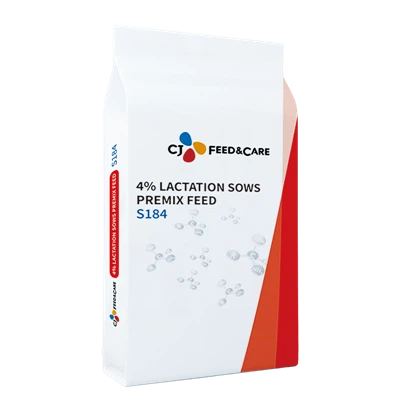
We understand the importance of balancing the benefits of copper with the potential risks of over - supplementation. That's why our research and development team constantly monitors the latest scientific findings and adjusts our feed formulations accordingly. We also offer a range of other pig feeds, such as 4% Piglet Premix Feed, Gilts Feed, and Alternative Milk for Piglets, to meet the diverse nutritional requirements of different pig populations.
Contact Us for Procurement
If you're interested in learning more about our finisher feeds for pigs or other pig feed products, we encourage you to contact us for procurement and further discussion. We have a team of experts who can provide you with detailed information about our products, their nutritional composition, and how they can benefit your pig farming operation. Whether you're a small - scale farmer or a large - scale commercial producer, we're here to help you achieve optimal growth and performance in your pigs.


References
- National Research Council (NRC). Nutrient Requirements of Swine. 11th Edition. The National Academies Press, 2012.
- Spears, J. W. "Copper in livestock nutrition." Journal of Animal Science 73.11 (1995): 3537 - 3549.
- Yen, J. T., et al. "Effect of dietary copper source and level on growth performance, carcass characteristics, and tissue mineral concentrations of finishing pigs." Journal of Animal Science 82.11 (2004): 3139 - 3146.