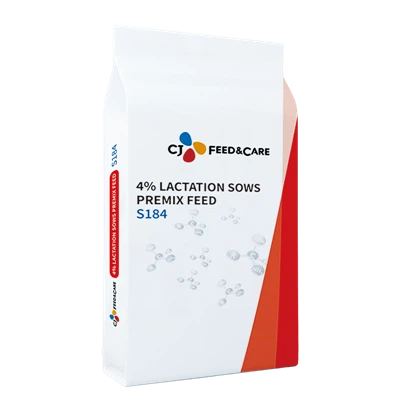
The relationship between gestation feed for pigs and the litter size of sows is a topic of great interest in the swine industry. As a provider of Gestation Feed for Pigs, I have witnessed firsthand the impact that proper nutrition during pregnancy can have on the reproductive performance of sows. In this blog post, I will explore how the quality and composition of gestation feed can influence litter size, drawing on scientific research and practical experience in the field.
Nutritional Requirements During Gestation
Gestation is a critical period in a sow's reproductive cycle, during which the development of the fetuses depends heavily on the availability of essential nutrients. A well - balanced diet during gestation is essential not only for the health of the sow but also for the successful development of a large and healthy litter. The key nutrients that play a crucial role in this process include energy, protein, vitamins, and minerals.
Energy
Energy is one of the most important nutrients in gestation feed. It is required for maintaining the sow's body condition, supporting the growth and development of the fetuses, and preparing the sow for lactation. Insufficient energy intake during gestation can lead to reduced litter size, as sows may not have enough resources to support the development of all the embryos. On the other hand, excessive energy intake can result in obesity, which can also have a negative impact on reproductive performance, including reduced fertility and increased stillbirth rates. Therefore, it is essential to provide sows with an appropriate amount of energy during gestation, based on their body condition, breed, and stage of pregnancy.
Protein
Protein is another vital nutrient for the development of the fetuses. It is used for the synthesis of new tissues, including muscle, bone, and organs. A diet that is deficient in protein can lead to poor fetal growth and development, resulting in smaller litter sizes and lower birth weights. High - quality protein sources, such as soybean meal and fish meal, are commonly used in gestation feeds to ensure that sows receive an adequate supply of essential amino acids.
Vitamins and Minerals
Vitamins and minerals are essential for a wide range of physiological functions in the sow and the developing fetuses. For example, vitamin E and selenium are important antioxidants that help to protect the cells from oxidative damage, while calcium and phosphorus are required for the development of strong bones. Deficiencies in these nutrients can lead to a variety of reproductive problems, including reduced litter size, increased embryonic mortality, and skeletal malformations. Therefore, gestation feeds are typically fortified with a comprehensive range of vitamins and minerals to meet the sows' requirements.
Impact of Feed Quality on Litter Size
The quality of the gestation feed can have a significant impact on the litter size of sows. High - quality feeds are formulated to provide the correct balance of nutrients in the right amounts, ensuring that the sows receive optimal nutrition during pregnancy. In contrast, poor - quality feeds may be deficient in essential nutrients or may contain contaminants that can have a negative impact on reproductive performance.
Feed Formulation
Proper feed formulation is crucial for ensuring that sows receive the appropriate amount of nutrients during gestation. A well - formulated gestation feed takes into account the sows' nutritional requirements at different stages of pregnancy, as well as their body condition and breed. For example, sows in the early stages of pregnancy have relatively low nutritional requirements, while those in the late stages require more energy, protein, and other nutrients to support the rapid growth of the fetuses. By formulating feeds that are tailored to the specific needs of the sows, it is possible to increase litter size and improve the overall health of the herd.
Feed Ingredient Quality
The quality of the feed ingredients used in gestation feeds also plays an important role in determining the litter size of sows. High - quality ingredients are more digestible and provide a better supply of nutrients than low - quality ingredients. For example, using high - quality soybean meal instead of a lower - grade substitute can improve the protein quality of the feed, leading to better fetal development and larger litter sizes. In addition, feed ingredients should be free from contaminants, such as mycotoxins, which can have a toxic effect on the sows and their fetuses.
Practical Strategies for Optimizing Litter Size
As a Gestation Feed for Pigs supplier, I often work with pig farmers to develop practical strategies for optimizing litter size through proper feeding management. Here are some of the key strategies that I recommend:
Body Condition Scoring
Regular body condition scoring of sows during gestation is an important tool for ensuring that they are receiving the appropriate amount of nutrition. Sows that are too thin or too fat may have reduced reproductive performance, including smaller litter sizes. By monitoring the body condition of sows and adjusting their feed intake accordingly, it is possible to maintain them in the optimal body condition for pregnancy, which can lead to increased litter size.
Feed Management
Proper feed management is essential for ensuring that sows receive the correct amount of feed at the right time. This includes feeding sows at regular intervals, providing access to clean water at all times, and ensuring that the feed is stored and handled properly to prevent spoilage. In addition, it is important to avoid sudden changes in the diet, as this can cause stress to the sows and may have a negative impact on their reproductive performance.
Use of Supplements
In some cases, it may be necessary to use supplements in addition to the basic gestation feed to meet the sows' nutritional requirements. For example, 4% Piglet Premix Feed can be used to provide additional nutrients, such as vitamins and minerals, to support the development of the fetuses. Supplements should be used in accordance with the manufacturer's instructions and should be tailored to the specific needs of the sows.
Conclusion
In conclusion, the quality and composition of gestation feed for pigs can have a significant impact on the litter size of sows. By providing sows with a well - balanced diet that meets their nutritional requirements during pregnancy, it is possible to increase litter size, improve the birth weight of the piglets, and enhance the overall reproductive performance of the herd. As a Gestation Feed for Pigs supplier, I am committed to providing high - quality feeds and practical advice to help pig farmers achieve their production goals.


If you are interested in learning more about our products or would like to discuss your specific needs, I encourage you to get in touch. We are always happy to engage in procurement discussions and help you find the best solutions for your swine operation. Whether you are looking for Gestation Feed for Pigs, 4% Piglet Premix Feed, or Alternative Milk for Piglets, we have the expertise and products to support your business.
References
- Aherne, F. X., & Kirkwood, R. N. (1990). Nutrition of the pregnant sow and litter performance. Journal of Animal Science, 68(11), 3857 - 3865.
- King, R. H. (2000). Nutrition and reproduction in the sow. Pig News and Information, 21(4), 95N - 100N.
- Verstegen, M. W. A., & Williams, B. A. (2002). Swine nutrition. CABI Publishing.