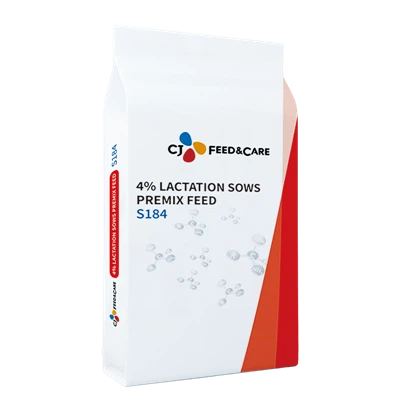
Gestation is a critical period in a sow's life that significantly impacts not only the development of the piglets but also the sow's subsequent milk production. As a supplier of gestation feed for pigs, I have witnessed firsthand the profound influence that proper nutrition during gestation can have on a sow's ability to produce high - quality milk. In this blog, I will delve into the various ways in which gestation feed affects the milk production of sows.
1. Nutritional Requirements During Gestation
During gestation, sows have specific nutritional needs that must be met to support the growth and development of the fetuses, as well as to prepare the sow's body for lactation. These requirements include an adequate supply of energy, protein, vitamins, and minerals.
Energy is crucial for the sow to maintain her own body condition and support the growth of the developing piglets. A diet that is too low in energy can lead to reduced litter size, lower birth weights, and poor milk production. On the other hand, an excessive energy intake can result in obesity, which can also have negative effects on milk production and the sow's overall health.
Protein is essential for the synthesis of milk components such as lactose, fat, and protein. A diet that is deficient in protein can lead to reduced milk production and lower milk quality. The quality of the protein is also important, as sows require a balanced supply of essential amino acids. Lysine, for example, is one of the most important amino acids for milk production in sows.
Vitamins and minerals play a vital role in many physiological processes in the sow's body, including milk production. For instance, calcium and phosphorus are necessary for the development of strong bones in the piglets and for the proper functioning of the sow's muscles, including the mammary glands. Vitamin E is an antioxidant that helps to protect the sow's cells from damage and may also have a positive effect on milk production.
2. Impact of Gestation Feed on Mammary Gland Development
Proper nutrition during gestation is essential for the development of the sow's mammary glands. The mammary glands undergo significant growth and development during pregnancy, and the nutrients provided in the gestation feed play a crucial role in this process.
A diet that is rich in essential nutrients can stimulate the growth and development of the mammary epithelial cells, which are responsible for the synthesis and secretion of milk. For example, dietary fatty acids have been shown to have a positive effect on mammary gland development. Omega - 3 fatty acids, in particular, have anti - inflammatory properties and may help to improve the health of the mammary glands.
In addition, the balance of nutrients in the gestation feed is important. An imbalance in the ratio of protein to energy, for example, can disrupt the normal development of the mammary glands and lead to reduced milk production. Therefore, it is essential to provide a well - formulated gestation feed that meets the specific nutritional needs of the sow during this critical period.
3. Influence on Sow's Body Condition and Milk Production
The body condition of the sow at farrowing and during lactation is closely related to her milk production. A sow that is in good body condition at farrowing is more likely to produce a large volume of high - quality milk.
Gestation feed plays a key role in maintaining the sow's body condition. If the sow is undernourished during gestation, she may enter lactation in a poor body condition, which can lead to reduced milk production. Conversely, overfeeding during gestation can result in excessive body fat, which can also have a negative impact on milk production.
A proper gestation feed should be formulated to provide the right amount of energy and nutrients to maintain the sow's body condition within an optimal range. This allows the sow to have enough energy reserves to support milk production during lactation without becoming too fat or too thin.
4. Quality of Milk and Piglet Growth
The quality of the milk produced by the sow is directly related to the nutrition she receives during gestation. A well - formulated gestation feed can improve the nutritional composition of the milk, including its fat, protein, and vitamin content.
Milk that is rich in nutrients is essential for the growth and development of the piglets. Piglets that receive high - quality milk are more likely to have higher growth rates, better immune function, and lower mortality rates. For example, a diet that is rich in essential fatty acids during gestation can result in milk that is higher in fat, which provides a concentrated source of energy for the piglets.
Moreover, the minerals and vitamins in the milk are also important for the piglets' health. Adequate levels of calcium, phosphorus, and vitamin D in the milk are necessary for the development of strong bones in the piglets. Therefore, by providing a high - quality gestation feed, we can improve the quality of the milk and ultimately enhance the growth and health of the piglets.
5. Our Gestation Feed Products
As a supplier of gestation feed for pigs, we are committed to providing high - quality products that meet the specific nutritional needs of sows during gestation. Our gestation feed is formulated by a team of experts in animal nutrition, using the latest research and technology.
We understand the importance of a balanced diet for sows, and our feed contains a precise blend of energy sources, proteins, vitamins, and minerals. We also use high - quality ingredients to ensure the safety and effectiveness of our products.
In addition to our gestation feed, we also offer a range of other swine feed products, including Piglet Starter Concentrated Feed, Boar Premix Feed, and Finisher Feeds for Pigs. These products are designed to meet the different nutritional requirements of pigs at various stages of their growth and development.
6. Conclusion and Call to Action
In conclusion, the gestation feed for pigs has a significant impact on the milk production of sows. By providing a well - formulated gestation feed that meets the specific nutritional needs of sows, we can improve mammary gland development, maintain the sow's body condition, enhance the quality of the milk, and promote the growth and health of the piglets.


If you are a pig farmer or involved in the swine industry, we invite you to contact us to discuss your specific needs and how our gestation feed products can benefit your operation. We are dedicated to providing excellent customer service and high - quality feed products to help you achieve optimal results in your pig production.
References
- Pond, W. G., & Maner, D. R. (1984). Swine nutrition. Waveland Press.
- Noblet, J., & Etienne, M. (1987). Energy requirements of the pregnant sow. Journal of Animal Science, 65(3), 843 - 853.
- Quesnel, H., Farmer, C., & Prunier, A. (2012). Mammary gland development in pigs: impact of nutrition and management. Animal, 6(12), 1983 - 1992.