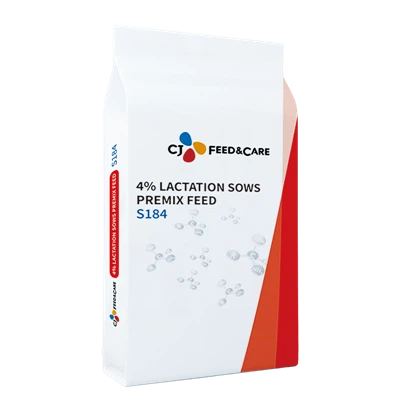
As a supplier of finisher feeds for pigs, I've witnessed firsthand the diverse approaches pig farmers take when it comes to feeding their livestock. The choice between commercial finisher feeds and homemade pig feeds is a significant one, impacting not only the growth and health of the pigs but also the overall efficiency and profitability of the farm. In this blog, I'll delve into the key aspects of both types of feeds, comparing their nutritional value, cost - effectiveness, convenience, and safety.
Nutritional Value
One of the most critical factors in pig feeding is ensuring that the animals receive a balanced diet. Commercial finisher feeds are formulated by experts who have in - depth knowledge of porcine nutrition. These feeds are designed to meet the specific nutritional requirements of finishing pigs, which typically need a diet rich in energy, protein, vitamins, and minerals to support rapid growth and optimal muscle development.
For instance, finisher feeds often contain a precise blend of grains, such as corn and wheat, which are excellent sources of energy. They also include high - quality protein sources like soybean meal, which provides essential amino acids necessary for muscle building. Moreover, commercial feeds are fortified with vitamins and minerals, such as vitamin E, selenium, and zinc, which are crucial for the pigs' immune system, reproductive health, and overall well - being.


On the other hand, homemade pig feeds rely on the farmer's knowledge and access to ingredients. While it's possible to create a balanced diet at home, it can be challenging to achieve the same level of precision as commercial feeds. Farmers may not have access to all the necessary ingredients or may struggle to accurately measure and mix them. For example, a homemade feed might be lacking in certain vitamins or minerals if the farmer doesn't include the right supplements. Additionally, the quality of ingredients can vary significantly, which can affect the overall nutritional value of the feed.
Cost - Effectiveness
Cost is a major consideration for pig farmers. At first glance, homemade pig feeds may seem like the more economical option. After all, farmers can source ingredients in bulk and potentially save money on processing and packaging costs. However, this isn't always the case.
Commercial finisher feeds are produced on a large scale, which allows manufacturers to take advantage of economies of scale. They can negotiate better prices for raw materials and use efficient production methods, resulting in a relatively low cost per unit of feed. Moreover, because commercial feeds are nutritionally balanced, pigs may grow faster and more efficiently, reducing the overall cost of production in the long run.
When making homemade pig feeds, farmers need to factor in the cost of ingredients, as well as the time and labor involved in sourcing, storing, and mixing them. If a homemade feed doesn't provide the right nutrients, pigs may take longer to reach market weight, increasing the cost of feed per pound of gain. Additionally, farmers may need to purchase supplements to ensure the feed is balanced, which can add to the cost.
Convenience
Convenience is another important aspect to consider. Commercial finisher feeds are readily available from suppliers. Farmers can simply place an order and have the feed delivered directly to their farm. This saves time and effort, especially for large - scale operations.
In contrast, making homemade pig feeds requires a significant amount of time and planning. Farmers need to source ingredients from various suppliers, which may involve multiple trips to different locations. They also need to have the necessary equipment for mixing and storing the feed. This can be a challenge, especially during busy farming seasons.
Safety
Safety is paramount when it comes to pig feeding. Commercial finisher feeds are subject to strict quality control measures. Manufacturers follow industry standards and regulations to ensure that the feeds are free from contaminants, such as mycotoxins, pesticides, and heavy metals. They also conduct regular testing to monitor the nutritional content and safety of the feeds.
When making homemade pig feeds, farmers need to be vigilant about the quality of ingredients. They need to ensure that the grains and other raw materials are stored properly to prevent mold growth and contamination. Additionally, they need to be careful when using supplements to avoid over - or under - dosing.
Specialized Feeds
In addition to finisher feeds, there are other specialized feeds available in the market, such as Gilts Feed, Milk Replacement for Piglets, and Piglet Starter Concentrated Feed. These feeds are designed to meet the specific nutritional needs of different stages of a pig's life.
Gilts feed, for example, is formulated to support the growth and development of young female pigs before they reach breeding age. It contains the right balance of nutrients to ensure proper skeletal development and reproductive function. Milk replacement for piglets is essential when the sow is unable to nurse or when there are orphaned piglets. It provides the necessary nutrients and antibodies to help the piglets survive and grow. Piglet starter concentrated feed is designed to provide a high - energy, high - protein diet for newly weaned piglets, helping them transition from milk to solid food.
Conclusion
In conclusion, both commercial finisher feeds and homemade pig feeds have their pros and cons. Commercial feeds offer the advantage of precise nutrition, cost - effectiveness, convenience, and safety. They are formulated by experts and subject to strict quality control measures. Homemade pig feeds, on the other hand, can be a viable option for some farmers, especially those with access to inexpensive ingredients and the knowledge to create a balanced diet.
As a supplier of finisher feeds for pigs, I understand the unique needs of pig farmers. I'm committed to providing high - quality feeds that meet the nutritional requirements of finishing pigs. If you're considering using commercial finisher feeds for your pigs, I encourage you to contact me to discuss your specific needs. We can work together to develop a feeding program that is tailored to your farm and your pigs' requirements. Whether you're a small - scale farmer or a large - scale operation, I'm here to help you achieve the best results in your pig production.
References
- National Research Council. (2012). Nutrient Requirements of Swine. The National Academies Press.
- European Feed Manufacturers' Federation. (2019). Feed Safety and Quality: A European Perspective.
- American Association of Swine Veterinarians. (2020). Swine Health Information Center Annual Report.