As a supplier of finisher feeds for pigs, I often get asked whether these feeds need to be mixed with water in a specific ratio. Well, let's dive right into this topic and clear up any confusion.
First off, it's important to understand what finisher feeds are. These are the feeds that we give to pigs during the final stage of their growth, usually when they're getting close to market weight. The goal of finisher feeds is to help pigs put on that last bit of muscle and fat in a healthy and efficient way.
Now, onto the question of water mixing. In general, finisher feeds for pigs don't always have to be mixed with water in a super - strict, specific ratio. However, there are some good reasons why you might want to consider doing so.
One of the main benefits of mixing finisher feeds with water is that it can improve the palatability of the feed. Pigs, like us, are more likely to eat something that tastes and feels good. When you mix the feed with water, it can form a sort of porridge - like consistency that many pigs find more appealing. This can lead to better feed intake, which is crucial for their growth and development.
Another advantage is that it can aid in digestion. When pigs consume dry feed, they need to drink a lot of water separately to help break down the feed in their stomachs. By pre - mixing the feed with water, you're essentially giving their digestive system a head start. The water helps to soften the feed particles, making it easier for the pigs' enzymes to break them down and extract the nutrients.
But here's the thing, there isn't a one - size - fits - all ratio for mixing finisher feeds with water. It can vary depending on a few factors.
The age and size of the pigs play a big role. Younger pigs might prefer a thinner consistency, so you might want to use more water. For example, piglets might do well with a ratio of about 2 parts water to 1 part feed. As the pigs grow older and larger, they can handle a thicker mixture. Adult pigs might be fine with a ratio closer to 1 part water to 1 part feed.
The type of finisher feed also matters. Some feeds are more absorbent than others. If you're using a feed that's very dry and powdery, you might need to add more water to get the right consistency. On the other hand, if the feed has a higher moisture content to begin with, you can use less water.
Environmental conditions are another factor. In hot weather, pigs need more water to stay hydrated. Mixing the feed with a bit more water can help them meet their water requirements while also consuming their feed. In cold weather, you might want to use slightly less water to prevent the mixture from getting too cold and unappetizing.
So, how do you figure out the best ratio for your pigs? Well, it's a bit of trial and error. Start with a common ratio, like 1:1 or 2:1, and see how your pigs react. If they seem to be leaving a lot of the feed, it might be too thick. If the mixture is too runny and they're not getting enough nutrients, you can reduce the amount of water.
Now, let me tell you about some of the other products we offer as a pig feed supplier. We have Piglet Starter Concentrated Feed, which is specially formulated for young piglets. It's packed with all the essential nutrients they need to get a great start in life. This feed helps to support their rapid growth and development during the early stages.
We also have Alternative Milk for Piglets. Sometimes, sows might not produce enough milk, or there might be other issues with nursing. Our alternative milk provides a great source of nutrition for piglets, mimicking the composition of sow's milk as closely as possible.
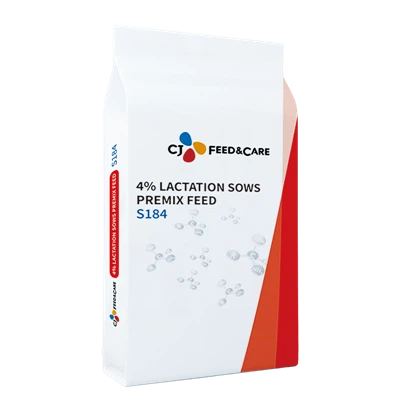
And for lactating sows, we offer Lactating Sow Premix Feed. This feed is designed to meet the high nutritional demands of sows during lactation. It helps them produce high - quality milk for their piglets, which is essential for the piglets' health and growth.
If you're in the market for finisher feeds for pigs or any of our other products, I encourage you to reach out to us. We're always happy to have a chat about your specific needs and how our feeds can benefit your pigs. Whether you're a small - scale farmer or a large - scale commercial operation, we've got the right solutions for you.
In conclusion, while finisher feeds for pigs don't strictly require a specific water - mixing ratio, there are definite advantages to mixing them with water. By considering factors like the pigs' age, the type of feed, and the environmental conditions, you can find the best ratio for your herd. And remember, we're here to support you every step of the way with our high - quality pig feeds.
References


- "Swine Nutrition Guide", published by a leading agricultural research institute.
- "Best Practices in Pig Feeding", a collection of industry - wide knowledge and studies.