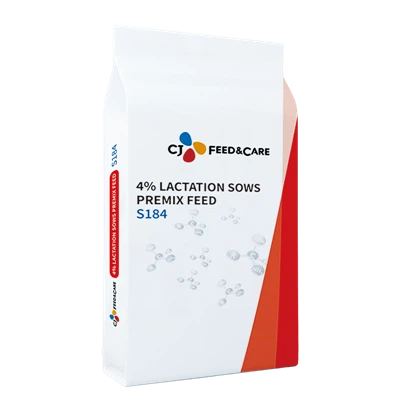
As a supplier of Finisher Feeds for Pigs, I often get asked whether finisher feeds for pigs need to be mixed with other additives. It's a question that has a lot of layers, and today, I'm gonna break it down for you.
First off, let's understand what finisher feeds are. These are feeds designed for pigs in the later stages of their growth, typically when they're getting close to market weight. The main goal of finisher feeds is to support the pig's final growth spurt, improve meat quality, and ensure that the pigs reach their full potential in terms of size and weight.
Finisher feeds usually come with a balanced mix of proteins, carbohydrates, fats, vitamins, and minerals. They're formulated to meet the specific nutritional needs of finishing pigs. But here's the thing: while these feeds are pretty comprehensive, there are situations where adding other additives can be beneficial.
One of the most common reasons to add additives is to enhance the pig's immune system. Pigs in the finishing stage are still susceptible to various diseases and stressors. By adding additives like probiotics and prebiotics, we can help maintain a healthy gut flora in the pigs. Probiotics are live beneficial bacteria that can help improve digestion and nutrient absorption. They also play a role in preventing the growth of harmful bacteria in the gut. Prebiotics, on the other hand, are substances that feed the beneficial bacteria in the gut, promoting their growth and activity.
For example, if you check out our 4% Piglet Premix Feed, it contains a blend of vitamins, minerals, and other essential nutrients. Some of these can also be used as additives in finisher feeds. The premix is formulated to provide a concentrated dose of nutrients that might be lacking in the finisher feed alone. This can help ensure that the pigs are getting all the necessary vitamins and minerals for optimal health and growth.
Another reason to add additives is to improve the meat quality. There are additives available that can enhance the marbling of the meat, increase its tenderness, and improve its overall flavor. For instance, certain amino acids can be added to the finisher feed to promote muscle development and improve the texture of the meat. These additives work by influencing the metabolism of the pigs, leading to better meat quality.
However, it's not all sunshine and rainbows when it comes to adding additives. There are some potential drawbacks that we need to consider. One of the main concerns is the cost. Adding additives can significantly increase the cost of the feed. If not carefully managed, this can eat into the profit margins of pig farmers. Additionally, over - using additives can have negative effects on the pigs' health. For example, excessive amounts of certain minerals can lead to toxicity and other health problems.
We also need to be aware of the regulatory requirements. In many regions, there are strict regulations regarding the use of additives in animal feeds. These regulations are in place to ensure the safety of the meat products and to protect the environment. Before adding any additives to the finisher feeds, it's crucial to make sure that they comply with all the relevant regulations.
Let's talk about the different types of additives in more detail. Antibiotics used to be a common additive in pig feeds. They were used to prevent and treat diseases and to promote growth. However, due to concerns about antibiotic resistance, the use of antibiotics as growth promoters has been restricted in many countries. Nowadays, we're seeing a shift towards more natural alternatives.
Enzymes are another type of additive that can be beneficial. Enzymes can help break down complex carbohydrates, proteins, and fats in the feed, making them more easily digestible by the pigs. This can lead to better nutrient utilization and improved growth performance. For example, phytase is an enzyme that can break down phytate, a compound in feed ingredients that can bind to minerals and reduce their availability. By adding phytase to the finisher feed, we can increase the bioavailability of minerals like phosphorus.
Now, let's look at the role of our Piglet Starter Feed Super 2 in the context of finisher feeds. While this is a starter feed for piglets, it contains a lot of valuable ingredients and concepts that can be relevant. The starter feed is formulated to provide a high - quality diet for young pigs, which helps them establish a good foundation for growth. Some of the nutritional principles used in the starter feed, such as the balance of proteins and energy sources, can also be applied when considering the addition of additives to finisher feeds.


So, do finisher feeds for pigs need to be mixed with other additives? The answer isn't a simple yes or no. It depends on several factors, including the specific needs of the pigs, the cost - benefit analysis, and the regulatory requirements. In some cases, adding additives can provide significant benefits in terms of pig health, growth, and meat quality. But in other cases, the finisher feed alone might be sufficient.
As a supplier, we're here to help pig farmers make the best decisions for their operations. We offer a range of high - quality finisher feeds and can provide advice on whether and which additives are suitable for their pigs. If you're a pig farmer and you're considering using additives in your finisher feeds, I encourage you to get in touch with us. We can have a detailed discussion about your specific situation and come up with a customized solution. Whether you're looking to improve the immune system of your pigs, enhance meat quality, or just optimize the growth performance, we've got the expertise and the products to help you out.
In conclusion, the decision to mix additives with finisher feeds is a complex one that requires careful consideration. But with the right information and support, pig farmers can make choices that lead to healthy pigs and profitable operations. So, if you're interested in learning more about our Finisher Feeds for Pigs and how additives can fit into your feeding program, don't hesitate to reach out. We're looking forward to working with you to achieve the best results for your pig farming business.
References
- National Research Council. (2012). Nutrient Requirements of Swine. 11th Edition.
- European Food Safety Authority. (2018). Scientific Opinion on the use of additives in animal nutrition.
- Institute of Animal Science. (2020). Handbook on Pig Nutrition and Feeding.