As a supplier of hog grower feed, I often receive inquiries from farmers and pig breeders about whether hog grower feed can be mixed with other feeds. This is a crucial question that can significantly impact the health, growth, and overall productivity of pigs. In this blog, I'll delve into the science behind feed mixing, the factors to consider, and the potential benefits and drawbacks.
Understanding Hog Grower Feed
Hog grower feed is specifically formulated to meet the nutritional requirements of growing pigs. These feeds typically contain a balanced combination of proteins, carbohydrates, fats, vitamins, and minerals. The protein content is carefully calibrated to support muscle development, while the energy sources (carbohydrates and fats) provide the fuel needed for growth and activity. Vitamins and minerals are essential for various physiological functions, including bone development, immune system support, and reproduction.
Can Hog Grower Feed Be Mixed with Other Feeds?
The short answer is yes, hog grower feed can be mixed with other feeds. However, several factors need to be considered before doing so.
1. Nutritional Requirements
The primary consideration when mixing feeds is to ensure that the combined diet still meets the nutritional needs of the pigs. Different stages of a pig's life require different nutrient profiles. For example, piglets have different nutritional requirements compared to growing hogs and lactating sows. If you mix hog grower feed with a feed that is formulated for a different stage, you may end up with a diet that is either deficient or excessive in certain nutrients.
For instance, Piglet Starter Concentrated Feed is designed to provide high levels of protein and energy to support the rapid growth and development of piglets. Mixing it with hog grower feed without proper adjustment may result in an over - supply of protein, which can be wasteful and may even cause health problems in growing hogs.
2. Feed Compatibility
Not all feeds are compatible with each other. Some feeds may contain ingredients that can interact negatively when mixed. For example, certain types of additives or medications in one feed may react with those in another feed, reducing their effectiveness or even causing toxicity. It's essential to consult the feed labels and manufacturer's recommendations to ensure that the feeds you plan to mix are compatible.
3. Quality and Source of Feeds
The quality and source of the feeds are also important. Using low - quality feeds or feeds from unreliable sources can introduce contaminants, such as mold, mycotoxins, or heavy metals, into the pig's diet. Mixing a high - quality hog grower feed with a low - quality feed can compromise the overall quality of the diet and put the pigs at risk of health issues.
Benefits of Mixing Feeds
When done correctly, mixing hog grower feed with other feeds can offer several benefits.
1. Cost - Effectiveness
Mixing feeds can sometimes be a cost - effective way to meet the pigs' nutritional requirements. For example, if you have access to a locally available feed ingredient that is relatively inexpensive, you can mix it with your hog grower feed to reduce the overall cost of the diet. However, it's important to ensure that the cost savings do not come at the expense of the pigs' health and performance.
2. Customization
Mixing feeds allows you to customize the diet according to the specific needs of your pigs. For example, if you have a group of pigs with a particular health condition or growth rate, you can adjust the feed composition by mixing different feeds to meet their unique requirements.
3. Utilization of Surplus Feeds
If you have a surplus of a particular feed, mixing it with hog grower feed can help you avoid waste. This is especially useful in situations where you have over - ordered a feed or have a feed that is nearing its expiration date.
Drawbacks of Mixing Feeds
There are also some potential drawbacks to mixing feeds.
1. Nutritional Imbalance
As mentioned earlier, improper mixing of feeds can lead to nutritional imbalances. This can result in poor growth, reduced immunity, and other health problems in pigs. It requires a good understanding of pig nutrition and careful calculation to ensure that the mixed diet is nutritionally balanced.
2. Increased Labor and Complexity
Mixing feeds requires additional labor and equipment. You need to accurately measure the amounts of each feed and ensure thorough mixing to avoid uneven distribution of nutrients. This can increase the complexity of feed management and may require additional training for your staff.
3. Quality Control
Mixing feeds from different sources can make it more difficult to maintain quality control. You need to ensure that each feed meets the required quality standards and that the mixing process does not introduce any contaminants or reduce the quality of the feeds.


Guidelines for Mixing Feeds
If you decide to mix hog grower feed with other feeds, here are some guidelines to follow:
1. Consult a Nutritionist
A professional animal nutritionist can help you develop a balanced feed mixture based on the specific needs of your pigs. They can analyze the nutrient content of each feed and recommend the appropriate mixing ratios.
2. Read Feed Labels
Carefully read the labels of all the feeds you plan to mix. The labels provide information about the nutrient content, feeding instructions, and any precautions or restrictions. Make sure you understand the information and follow the manufacturer's recommendations.
3. Start Small
When you first start mixing feeds, start with a small batch and monitor the pigs' response. Look for any signs of digestive problems, changes in growth rate, or other health issues. If the pigs tolerate the mixed feed well, you can gradually increase the batch size.
4. Use Proper Mixing Equipment
Invest in good - quality mixing equipment to ensure thorough and uniform mixing of the feeds. The equipment should be easy to clean and maintain to prevent the buildup of feed residues and contaminants.
Other Types of Swine Feeds
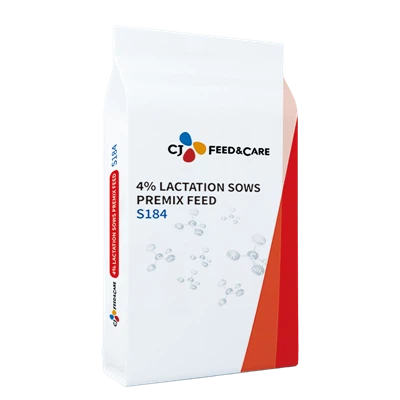
In addition to hog grower feed, there are other types of swine feeds that you may consider mixing with it, such as 4% Piglet Premix Feed and Lactating Sow Premix Feed. These premix feeds are designed to provide specific nutrients in concentrated form and can be used to supplement the hog grower feed when needed.
Conclusion
In conclusion, hog grower feed can be mixed with other feeds, but it requires careful consideration of several factors, including nutritional requirements, feed compatibility, and quality. When done correctly, mixing feeds can offer benefits such as cost - effectiveness, customization, and utilization of surplus feeds. However, it also has potential drawbacks, such as nutritional imbalance and increased complexity. By following the guidelines and consulting a professional, you can ensure that the mixed feed is safe, nutritious, and beneficial for your pigs.
If you are interested in learning more about our hog grower feed or other swine feeds, or if you have any questions about feed mixing, please feel free to contact us for further discussion and potential procurement. We are committed to providing high - quality feeds and professional advice to meet your needs.
References
- National Research Council. (2012). Nutrient Requirements of Swine. The National Academies Press.
- Lewis, A. J., & Southern, L. L. (2001). Swine Nutrition. CRC Press.