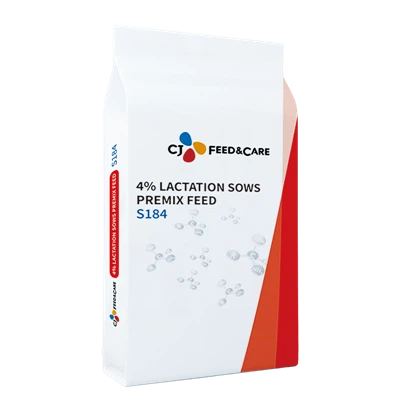
As a supplier of gestation feed for pigs, one question that frequently comes up from our clients is whether this specialized feed can be stored for a long time. This is a crucial concern as proper storage not only affects the quality of the feed but also has implications for the health and productivity of the pregnant sows. In this blog post, I'll delve into the factors that influence the long - term storage of gestation feed for pigs and provide some practical advice.
Factors Affecting the Long - Term Storage of Gestation Feed
1. Moisture Content
Moisture is one of the most significant factors when it comes to feed storage. Gestation feed, like any other animal feed, is vulnerable to spoilage when exposed to high levels of moisture. Microorganisms such as mold and bacteria thrive in moist environments. When the moisture content in the feed exceeds a certain level (usually around 12 - 14%), these unwanted guests start to multiply rapidly.
Mold growth is particularly concerning. Some molds produce mycotoxins, which can have detrimental effects on the health of pregnant sows. Mycotoxins can cause a range of problems, including reduced feed intake, impaired immune function, and even reproductive disorders. To ensure long - term storage, it's essential to keep the feed dry. This can be achieved by storing the feed in a well - ventilated area and using moisture - proof containers.
2. Temperature
Temperature also plays a vital role in feed storage. High temperatures accelerate the rate of chemical reactions in the feed, leading to oxidation of fats and vitamins. Oxidation can cause the feed to lose its nutritional value over time. For example, the oxidation of fats can result in the formation of rancid compounds, which not only reduce the palatability of the feed but also have negative impacts on the sow's health.
Ideally, gestation feed should be stored in a cool environment. A temperature range of 10 - 20°C (50 - 68°F) is considered optimal for long - term storage. If the storage area is too warm, the feed should be used up more quickly to minimize the loss of quality.
3. Oxygen Exposure
Oxygen can react with various components in the feed, such as fats and some vitamins. This oxidative process can degrade the feed quality. To reduce oxygen exposure, it's advisable to store the feed in air - tight containers. Vacuum - sealed bags are an excellent option as they can significantly reduce the amount of oxygen in contact with the feed. By minimizing oxygen exposure, we can slow down the oxidation process and extend the shelf - life of the gestation feed.
4. Insects and Rodents
Insects and rodents can cause physical damage to the feed and also contaminate it with their feces and urine. They can chew through the feed bags, allowing moisture and oxygen to enter, which further accelerates spoilage. To prevent infestations, the storage area should be kept clean and free of debris. Regular inspections should be carried out to detect any signs of insects or rodents. If an infestation is detected, appropriate pest control measures should be taken immediately.
Shelf - Life of Gestation Feed
Under ideal storage conditions (low moisture, cool temperature, minimal oxygen exposure, and protection from pests), gestation feed can typically be stored for 3 - 6 months. However, it's important to note that this is just an estimate, and the actual shelf - life can vary depending on the specific formulation of the feed and the storage conditions.
Some feeds may contain additives that can extend their shelf - life. For example, antioxidants can be added to prevent the oxidation of fats, and preservatives can inhibit the growth of microorganisms. When purchasing gestation feed, it's a good idea to inquire about the presence of such additives and their effectiveness.
Signs of Spoiled Feed
It's crucial for pig farmers to be able to recognize the signs of spoiled gestation feed. Some common signs include:


- Mold Growth: Visible mold on the surface of the feed is an obvious sign of spoilage. The mold can appear as white, green, or black patches.
- Rancid Odor: A strong, unpleasant odor, similar to that of spoiled fat, indicates that the feed has undergone oxidation.
- Clumping: If the feed has formed clumps, it may be due to moisture absorption, which can lead to spoilage.
- Insect or Rodent Damage: As mentioned earlier, damage caused by insects or rodents is a clear indication that the feed has been compromised.
If any of these signs are detected, the feed should not be fed to the pregnant sows. Using spoiled feed can have serious consequences for the health of the sows and their piglets.
Importance of Proper Feed Storage for Pregnant Sows
Proper storage of gestation feed is of utmost importance for the well - being of pregnant sows. During pregnancy, sows have specific nutritional requirements to support the growth and development of their fetuses. If the feed loses its nutritional value due to improper storage, the sows may not receive the necessary nutrients. This can lead to problems such as poor fetal development, low birth weights, and reduced litter sizes.
In addition, feeding spoiled feed to pregnant sows can expose them to toxins and pathogens, which can cause health issues not only for the sows but also for the piglets. For example, mycotoxins in moldy feed can be passed on to the piglets through the placenta or in the milk, leading to long - term health problems.
Other Related Swine Feeds
In addition to gestation feed, there are other types of swine feeds that are important for different stages of a pig's life. For example, Alternative Milk for Piglets is designed to provide the necessary nutrition for young piglets when they are weaned from their mothers. It contains a balanced blend of proteins, fats, and vitamins to support their growth and development.
Boar Premix Feed is formulated specifically for boars. It contains essential nutrients such as amino acids, minerals, and vitamins to maintain the boar's reproductive performance and overall health.
Finisher Feeds for Pigs are used in the final stage of a pig's growth. These feeds are designed to promote rapid weight gain and improve the quality of the pork.
Conclusion
In conclusion, while gestation feed for pigs can be stored for a certain period, proper storage conditions are essential to maintain its quality and nutritional value. By controlling factors such as moisture, temperature, oxygen exposure, and pest infestations, we can extend the shelf - life of the feed and ensure that pregnant sows receive the best possible nutrition.
If you're a pig farmer in need of high - quality gestation feed or other swine feeds, we're here to help. We understand the importance of proper feed storage and can provide you with the best products and advice. Don't hesitate to reach out to us for more information or to start a procurement discussion. We're committed to helping you achieve optimal results in your pig farming operations.
References
- National Research Council. (2012). Nutrient Requirements of Swine. Washington, D.C.: The National Academies Press.
- Feed Industry Association. (2018). Best Practices for Feed Storage. [Publication details].